100 Vehicles. Weeks of Paperwork. Then Everything Changed.
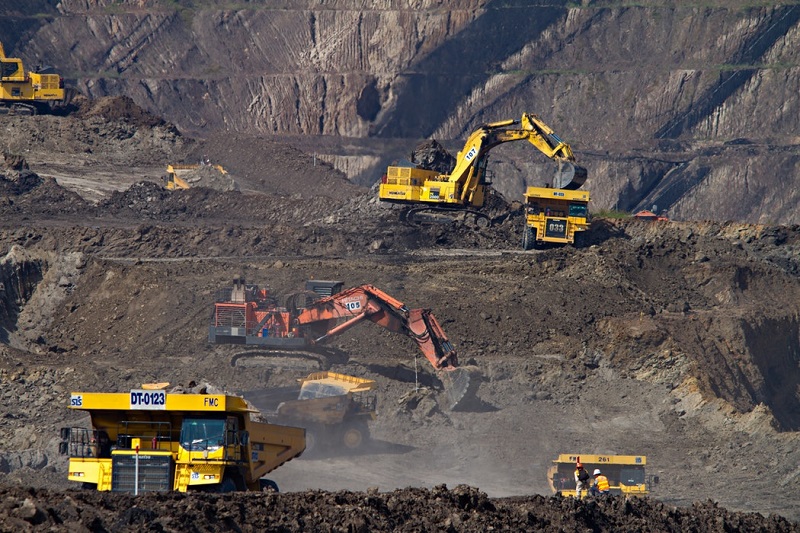
A large mining operation managing more than 100 heavy vehicles, both above and underground, faced a challenge that will be familiar to anyone who has run a fleet at scale: paper-based pre-start inspections.
Every shift began the same way. Operators filled out paper forms before climbing into the cab. Those forms detailed the condition of the vehicle, any faults observed, and whether the machine was safe to operate. In theory, it was a straightforward compliance process. In practice, it created a slow-moving chain of delays that stretched from the pit floor all the way to the maintenance bay and back to the office.
How the Paper Process Actually Worked
At the end of each shift, supervisors collected all inspection forms from operators across both surface and underground sites. They reviewed each form manually, looking for flagged defects, and then assigned follow-up actions to technicians by hand. Technicians documented their own findings on separate paper forms. Those forms then made their way back to the office, where staff manually entered data into the ERP system.
By the time a vehicle issue was logged, reviewed, and actioned, days had often passed. In some cases, equipment continued operating with unresolved defects simply because the paperwork had not yet made it through the chain. Defects that should have triggered immediate corrective action sat in a pile waiting to be reviewed. Maintenance schedules were built on information that was already hours or days old.
The risks were not just operational. Regulatory compliance in mining requires verifiable records of pre-start inspections. Paper forms can be lost, damaged, or left incomplete. Demonstrating compliance to an auditor meant searching through filing cabinets and hoping the right form was where it should be.
The Decision to Go Digital
The operation implemented Pervidi's digital inspection platform. Operators now complete pre-start inspections on mobile devices mounted in the cab or carried underground. They follow structured digital checklists that mirror the regulatory requirements for their site, capturing photos of any defects directly within the inspection record.
The moment an inspection is submitted, the system goes to work automatically. There is no waiting for a supervisor to collect forms, no manual review, no data entry.
What Happens the Moment an Inspection Is Submitted
- Data uploads instantly to the central system, visible to supervisors and maintenance teams in real time.
- Corrective actions are automatically created for any defects flagged during the inspection, without manual intervention.
- Jobs are assigned directly to technicians' mobile devices, so the right person is notified immediately.
- Technicians verify and update on site, recording their findings within the same system and attaching photo evidence.
- Reports are generated automatically, giving supervisors and managers a live view of fleet condition across both surface and underground operations.
- Work orders are created directly in the ERP system with complete records and photo evidence, eliminating double handling and manual entry.
"What used to take days now happens in real time. Our team called it a game changer, and the numbers backed them up."
Large Mining Operation, 100 vehicles, above and underground sites
No Paper. No Double Handling. No Delays.
The phrase sounds simple. The operational impact is significant. When every inspection flows through a single digital system, the organisation gains something paper could never provide: a complete, real-time picture of fleet condition across every shift, every site, every vehicle.
Supervisors no longer spend shift time collecting and reviewing forms. Technicians receive jobs the moment they are raised, rather than waiting for a form to travel from the pit to the workshop. Managers can pull compliance reports on demand, with full audit trails and photo evidence already attached to every record.
The result across this operation was measurable: faster issue resolution, improved fleet availability, stronger compliance, and better visibility across surface and underground operations.
Why This Pattern Repeats Across Industries
This story is not unique to mining. For more than 20 years, Pervidi has helped operations across mining, manufacturing, warehousing, field services, and more replace paper-based processes with connected digital workflows.
The industries differ. The operational challenge remains the same. Paper creates delays, gaps, and errors that nobody sees until something goes wrong. A defect that should have been caught on Monday becomes an equipment failure on Thursday. A compliance record that should have been filed becomes an audit risk when it cannot be found. A corrective action that should have been raised immediately sits in a pile waiting for human review.
Digital inspection removes the paper from the process. But it also removes the friction, the delay, the manual handoffs, and the gaps. When a defect is captured on a mobile device, it is already in the system. When a job is raised, it is already on the technician's device. When a report is needed, it is already generated.
Fleet Management That Keeps Pace with Operations
Managing more than 100 heavy vehicles across surface and underground environments requires asset management that can keep pace with continuous operations. Shift patterns run around the clock. Equipment defects do not wait for office hours. Compliance obligations apply regardless of whether the paperwork has made it back to the office yet.
Pervidi gives fleet operators a single system that connects inspection, defect capture, corrective action, technician dispatch, and ERP integration into one continuous workflow. The operator submits the inspection. The system handles everything else.
For the mining operation at the centre of this story, that shift from paper to digital changed more than the process. It changed the pace at which the entire organisation could respond to what was happening on the ground.
Naaman Shibi is a VP at Pervidi Software, leading the adoption of AI-powered inspection and compliance solutions across industries including mining and construction. With more than 25 years of experience in digital transformation, Naaman has helped organisations replace paper processes with efficient mobile technology. His focus is on delivering practical innovations, from AI image integration to predictive maintenance, that empower frontline teams and improve operational outcomes.
Ready to replace paper pre-start inspections?
See how Pervidi helps mining and heavy industry operations automate fleet inspections, corrective actions, and ERP integration in a single connected workflow.
Book a Demo