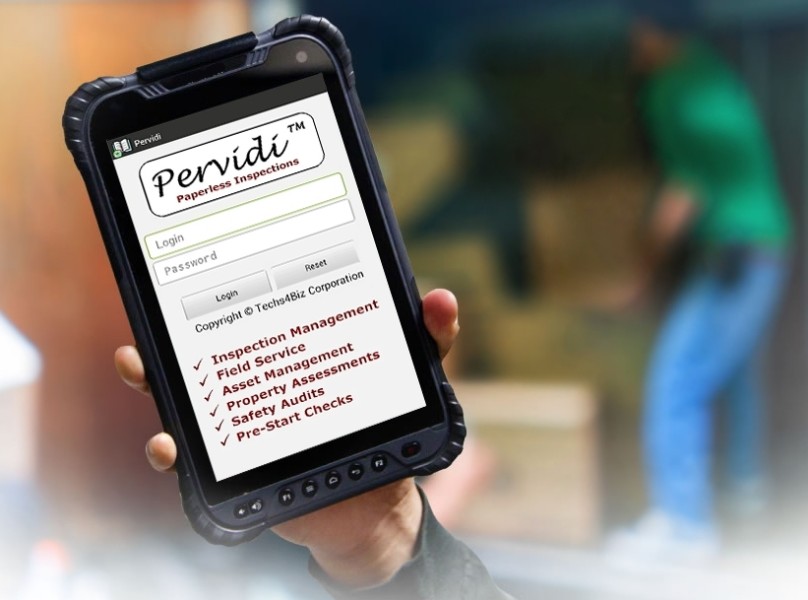
Automating Pre-Start Checks and Logbooks for Enhanced Efficiency
Pre-start checks are a legal and operational requirement across many industries. Before a vehicle leaves the yard, before a crane swings its first lift, before a forklift moves through a warehouse, an operator must confirm the equipment is fit for use. For years, this has meant paper forms, clipboards, and logbooks that disappear into filing cabinets. Automating pre-start checks through digital inspection software changes that equation entirely.
Organisations that have moved to digital pre-start checks report faster inspection completion, higher compliance rates, and immediate visibility when a defect is found. Instead of discovering at the end of a shift that twelve vehicles had incomplete pre-start records, managers receive real-time alerts and completion dashboards before the workday begins.

The 13-Step Framework for Implementing Digital Pre-Start Checks
Transitioning from paper-based pre-start logbooks to a fully automated digital system involves more than installing an app. A structured implementation approach ensures the platform delivers lasting value across your fleet and operations.
1. Defining Requirements
Start by documenting what each pre-start check needs to cover for each asset type. Heavy vehicles, elevated work platforms, forklifts, and mobile plant each have different regulatory requirements and operational checks. Map these out before selecting any platform.
2. Selecting the Right Platform
The platform should support offline operation (critical for mine sites and remote locations), barcode and QR scanning for asset identification, photo capture, and mandatory field enforcement so checks cannot be submitted incomplete.
3. Data Input and Capture
Replace free-text paper fields with structured digital inputs: pass/fail checkboxes, dropdown selections, numeric fields, and photo attachments. Structured data enables analysis and trend identification that handwritten notes never could.
4. Digital Checklists
Build checklists that match the specific asset type being inspected. A digital inspection platform allows you to maintain separate checklist templates for each asset class, updated centrally and pushed to all devices instantly.
5. Data Validation
Enforce mandatory completion. If an operator attempts to submit a pre-start form with skipped items, the system should require resolution before submission. This eliminates the blank rows that are common on paper forms.
6. Communication and Escalation
When a defect is recorded, automatic notifications should alert the maintenance team and the operator's supervisor immediately. The ability to photograph the defect and attach it to the notification removes ambiguity about the severity of the issue.
7. Cloud Storage and Backup
All pre-start records must be retained and accessible for audit purposes. Cloud storage ensures records are not lost, cannot be altered after submission, and are available to safety managers, auditors, and regulatory bodies on demand.
8. System Integration
Pre-start check data is most valuable when it connects to your asset management system. Defects identified during pre-start can automatically generate work orders, update asset condition records, and feed maintenance planning processes.
9. Reporting and Analytics
Digital pre-start data enables reporting that paper never could. Track compliance rates by operator, asset, site, or shift. Identify recurring defect types that signal maintenance issues before they become failures. Monitor check completion times to identify process bottlenecks.
10. Automated Notifications
Beyond defect alerts, automated notifications can remind operators when pre-start checks are due, escalate to supervisors when checks are missed within a specified window, and notify plant managers when assets are returned with unresolved defects.
11. User Training
Operator adoption is the most critical implementation factor. Training should be practical and brief: show operators how to scan the asset tag, complete the checklist, attach a photo, and submit. Most operators adapt within a single shift.
12. Security and Privacy
Role-based access ensures operators can only view and submit their own checks, while supervisors can view their team's records and managers have site-wide visibility. Records must be tamper-evident to maintain their evidential value.
13. Testing and Continuous Enhancement
Pilot the system on a single asset class or shift before full deployment. Gather feedback from operators and supervisors during the pilot phase, refine the checklists, and then roll out across the full fleet.
In many jurisdictions, operators of registered plant and vehicles have a legal duty to conduct pre-operational checks and maintain records. Digital pre-start systems generate timestamped, GPS-tagged records for every check, providing the audit trail that demonstrates due diligence in the event of an incident or regulatory inspection.
Why Digital Logbooks Outperform Paper
A paper logbook records what an operator writes. A digital logbook records what actually happened. GPS coordinates confirm the operator was at the asset location. Timestamps are server-generated, not written by hand. Photo evidence is attached directly to the record. Mandatory field enforcement means no more blank boxes.
For fleet managers overseeing dozens or hundreds of assets, the shift from paper to digital is transformational. Instead of manually reviewing logbooks at the end of a shift, managers receive automated completion reports with exceptions flagged before operations begin. Assets with unresolved defects can be locked out of service until maintenance sign-off is confirmed.
Frequently Asked Questions
What industries use digital pre-start checks?
Digital pre-start checks are widely used in mining, construction, logistics and transport, warehousing, utilities, and facilities management. Any operation that involves registered plant, vehicles, or mobile equipment benefits from structured pre-start workflows with an auditable electronic record.
Can digital pre-start systems work offline?
Yes. Purpose-built inspection platforms store checklists locally on the device and allow operators to complete and submit checks without a network connection. Records sync automatically when connectivity is restored. This is essential for mine sites, remote facilities, and underground operations.
How long should pre-start check records be retained?
Retention requirements vary by jurisdiction and industry. In Australia, records related to plant and equipment safety must generally be retained for the operational life of the asset and for a period after disposal. Cloud-based digital systems retain all records indefinitely, removing the risk of loss or deterioration that affects paper logbooks.
Ready to automate your pre-start checks?
Book a 30-minute demo to see how Pervidi digitises pre-start checklists, generates automated logbooks, and alerts managers to defects in real time across your entire fleet.
Book a demoNaaman Shibi is a VP at Pervidi Software, leading the adoption of AI-powered inspection and compliance solutions across industries including mining and construction. With more than 25 years of experience in digital transformation, Naaman has helped organisations replace paper processes with efficient mobile technology. His focus is on delivering practical innovations, from AI image integration to predictive maintenance, that empower frontline teams and improve operational outcomes.