Business Equipment Rental Inspection Using Mobile Devices
Whether you are renting to a single consumer or providing equipment to a larger business, the fundamental obligations of equipment rental remain the same. You are responsible for providing equipment that is safe to use and legally compliant. You expect the equipment to be returned in a condition consistent with normal wear and tear. And when something goes wrong, you need a detailed, defensible record of the equipment's condition at the point of rental to determine liability.
Meeting these obligations through paper-based inspection processes is increasingly inadequate. Paper checklists produce records that are incomplete, ambiguous, and easily disputed. Digital inspection on mobile devices provides the structured, photographically evidenced, timestamped records that equipment rental businesses need to protect their assets, their customers, and their reputation.
The Liability Question in Equipment Rental
One of the most pressing concerns in the equipment rental business is liability. When a piece of equipment fails during a rental period and causes damage, injury, or loss, the question of who is responsible depends entirely on the condition of the equipment at the point of rental. Was the fault pre-existing, making it the rental company's responsibility? Or did it develop during the rental period as a result of misuse or accidental damage?
Without a comprehensive, objective record of the equipment's condition immediately before rental, this question is almost impossible to answer with confidence. The rental company may believe the equipment was in perfect condition; the customer may believe the fault was pre-existing. Without evidence, disputes become difficult and costly to resolve.
A thorough pre-rental inspection completed on a mobile device, with photographs of every component and a signed-off digital report linked to the rental agreement, provides exactly the evidence that is needed to resolve these disputes quickly and fairly. The digital inspection record is objective, detailed, and immediately available to both parties.
Pre-Rental Condition Assessment
A digital pre-rental inspection covers every aspect of the equipment's condition that is relevant to the rental agreement. For a piece of construction equipment such as a compact excavator, this might include the condition of the undercarriage, the hydraulic hoses, the bucket teeth, the cab interior, and all safety systems. For a power tool or portable generator, it covers all operational components, safety features, and visible physical condition.
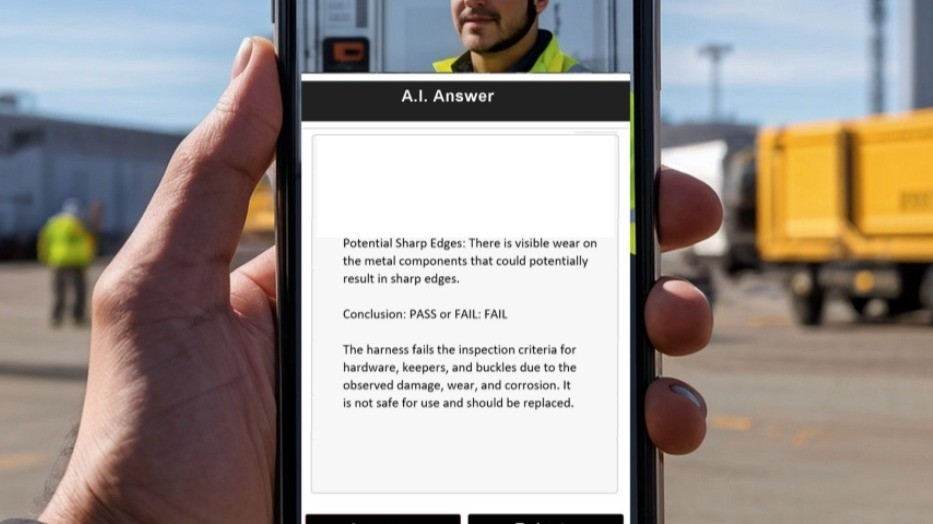
Using a customised digital checklist on a smartphone or tablet, the inspection technician works through each item systematically. Photographs are taken of any pre-existing damage, wear, or operational anomaly, and annotated directly in the inspection software to highlight the area of concern. The completed report is timestamped, geotagged, and linked to the specific asset record in the asset management system.
A digital copy of the pre-rental report can be provided to the customer at the point of collection, giving them full visibility of the recorded condition and the opportunity to note any additional observations before taking possession of the equipment. This transparency builds trust and reduces the likelihood of condition disputes at the point of return.
Post-Rental Return Inspection
When the equipment is returned, a post-rental inspection completes the record. The inspector works through the same structured checklist, comparing the current condition against the pre-rental photographs and findings. Any new damage, excessive wear, or missing components are documented with photographs, annotated, and recorded against the rental agreement.
The digital comparison between pre- and post-rental condition records provides an objective basis for assessing whether any damage occurred during the rental period and attributing the cost of repair or replacement accordingly. This process protects the rental company from absorbing the cost of customer-caused damage, and protects the customer from being charged for damage they did not cause.
Rental businesses using digital inspection also benefit from better visibility of equipment condition across their fleet. When every rental generates a comprehensive inspection record, management can identify equipment that is being returned with damage more frequently, which may indicate that the asset is being rented to unsuitable applications or that additional customer training or documentation is needed at the point of hire.
Historical Asset Records and Return on Investment Analysis
Every inspection record generated through a digital platform becomes part of the permanent asset history for that piece of equipment. Over the life of the asset, this history records every rental, every inspection finding, every repair, and every maintenance intervention. This cumulative record has significant analytical value.
Management can use the asset history to understand how different equipment types perform under rental conditions, which assets require disproportionate maintenance investment, and when the cost of maintaining an older asset begins to exceed the value of retiring and replacing it. This information is the foundation of a rational asset lifecycle management strategy that optimises the return on investment from the rental fleet.
For businesses considering new equipment purchases or fleet expansion, the historical rental and inspection data provides an evidence base for capital expenditure decisions that is far more reliable than anecdotal experience or manufacturer projections alone.
Safety Compliance for Rental Equipment
Rental equipment must also meet applicable safety standards and regulatory requirements at the point of each rental. In many categories of equipment, operators are required to demonstrate that safety-critical components have been inspected and certified within specified intervals. Digital inspection records that are linked to compliance schedules and automatically alert management when inspection dates approach ensure that equipment is never rented out of compliance.
When a compliance inspection identifies an issue that prevents the equipment from being legally rented, the digital platform can immediately change the equipment's status to unavailable, preventing it from being allocated to a new rental until the issue is resolved. This automated compliance gate reduces the risk of a rental company unknowingly providing non-compliant equipment to a customer.
Streamlining Operations Across Multiple Locations
Equipment rental businesses that operate from multiple depots or locations face the additional challenge of maintaining consistent inspection standards across all sites. When inspections are conducted on paper, standards often drift between locations depending on the local culture and the diligence of individual staff members.
A centralised digital inspection platform enforces consistent standards by providing the same structured checklists at every location. Management can monitor inspection completion and quality across all depots from a single dashboard, identify locations where inspection standards are slipping, and intervene before inconsistencies result in liability exposure or customer complaints.
The business case for mobile inspection in equipment rental is straightforward: better protection from liability disputes, more accurate asset records, more reliable compliance management, and a richer evidence base for business decisions. For rental companies serious about operational excellence, digital inspection on mobile devices is the foundation of a professional, defensible, and customer-confident inspection program.
Naaman Shibi is a VP at Pervidi Software, leading the adoption of AI-powered inspection and compliance solutions across industries including mining and construction. With more than 25 years of experience in digital transformation, Naaman has helped organisations replace paper processes with efficient mobile technology. His focus is on delivering practical innovations, from AI image integration to predictive maintenance, that empower frontline teams and improve operational outcomes.
Ready to go paperless?
See how Pervidi helps organisations streamline inspections, reduce risk, and maintain compliance with mobile-first digital solutions.
Book a Demo