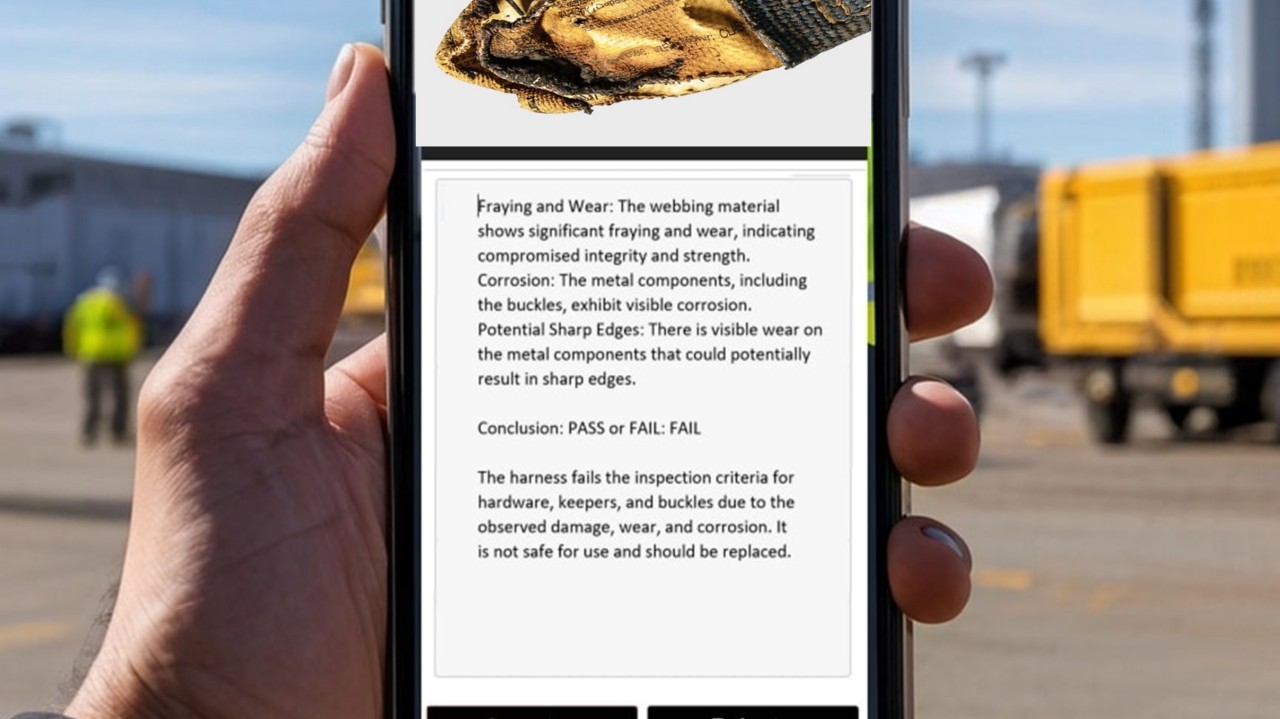
Capturing Inspection Data with Voice Recognition
It is safe to say that the days of pen and paper are being phased out. Once smartphones entered the mainstream, the adoption of digital text input became unstoppable for businesses. Now some users of mobile devices are taking data entry a step further, using voice recognition to record information in the field.
With smart devices becoming commonplace in homes and workplaces around the world, the capabilities within voice recognition are expanding rapidly. Businesses and organisations are finding voice input to be a powerful tool within day-to-day activities, and inspection is proving to be one of the most practical applications.
What Voice Recognition Means for Inspection
Voice recognition in a business context does not mean a factory floor robot that responds to spoken commands. In simpler terms, it refers to software that converts a spoken audio input into structured text or a specific system action. For an inspector using a digital inspection platform, this means speaking observations directly into a checklist field rather than typing or tapping responses.
This distinction matters most in demanding environments. An inspector wearing gloves on a cold outdoor site, working at height, or operating in a noisy industrial facility faces genuine friction when trying to type on a touchscreen. Voice input removes that friction entirely.
Key Advantages in the Field
Inspectors can complete checklist fields while keeping both hands on tools, ladders, or safety equipment, improving both safety and efficiency.
Speaking observations is naturally faster than typing for longer descriptive fields such as defect descriptions or corrective action notes.
Inspectors are more likely to add detailed observations when entry is effortless, producing richer records that support better follow-up decisions.
Eliminating a manual transcription step from spoken notes to written records removes a common source of data entry errors.
Where Voice Recognition Works Best
Not every inspection field benefits equally from voice input. Structured fields such as pass/fail selections or numeric readings are fastest by tap or scan. However, free-text observation fields, corrective action descriptions, and inspector comment sections are where voice input delivers the greatest time saving.
Industries with extended field inspection periods benefit most. Construction sites, utility infrastructure inspections, and large facility audits all involve inspectors moving through extensive locations, making hands-free input highly practical.
Combining Voice with Other Capture Methods
Modern asset management and inspection platforms support multiple capture methods in the same inspection workflow. An inspector might scan a barcode to identify an asset, tap a pass/fail response for a structured check, photograph a defect, and then dictate a detailed description of the issue. Each method is used where it adds the most value rather than forcing a single input style across the entire inspection.
Accuracy and Noise Environments
A common concern with voice recognition in industrial settings is ambient noise. Modern speech-to-text engines have improved considerably in filtering background noise, and many mobile devices include noise-cancelling microphones optimised for voice input in challenging conditions. For environments where noise levels are extreme, push-to-talk workflows or directional microphone accessories can further improve recognition accuracy.
Testing voice recognition in your specific environment before broad deployment is a sensible step. A pilot with a small group of inspectors will surface any accuracy issues and allow checklists to be tuned so that field-specific terminology is recognised correctly.
The Broader Digital Inspection Picture
Voice recognition is one component of a broader trend toward frictionless field data capture. Combined with barcode and QR scanning, GPS tagging, photo annotation, and real-time back-end sync, it contributes to an inspection workflow where capturing comprehensive, accurate data takes less time than filling in a paper form. The result is both better data quality and more time for inspectors to focus on the actual inspection rather than the administrative process around it.
As voice recognition technology continues to mature, its role in inspection workflows is set to grow. Organisations that pilot voice input now will be well-positioned to take advantage of further advances, including real-time AI-assisted guidance that responds to spoken observations with contextual next-step suggestions.
Naaman Shibi is a VP at Pervidi Software, leading the adoption of AI-powered inspection and compliance solutions across industries including mining and construction. With more than 25 years of experience in digital transformation, Naaman has helped organisations replace paper processes with efficient mobile technology. His focus is on delivering practical innovations, from AI image integration to predictive maintenance, that empower frontline teams and improve operational outcomes.
Ready to go paperless?
See how Pervidi helps organisations streamline inspections, reduce risk, and maintain compliance with mobile-first digital solutions.
Book a Demo