Container Inspection with Mobile Devices
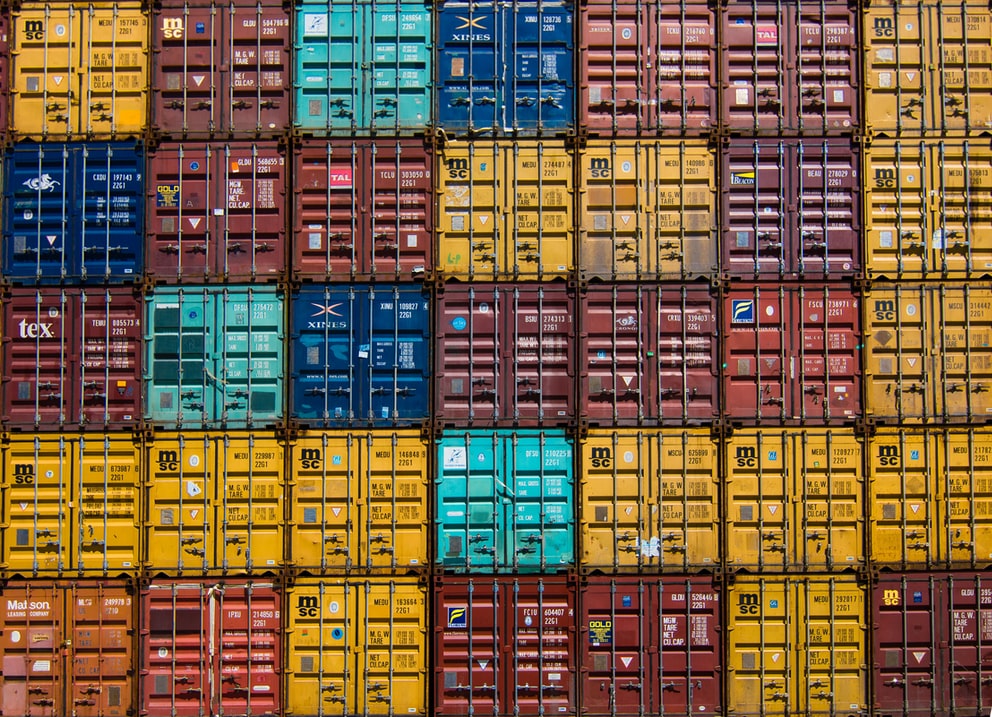
Shipping containers underpin vast economic systems and global trade, yet when it comes to container inspection, they are often overlooked. How can an object with such reach and importance be afforded outdated and insufficient inspection methods? Today, many organisations that use, manufacture, or transport shipping containers are taking their inspection methods digital.
With digital inspection, users are seeing a host of capabilities that collectively improve both the speed and quality of data capture. Whether an operator is sending hundreds of containers through a harbour or needs to verify that a single container meets a specific standard, there are definitive benefits from going paperless.
How Digital Container Inspection Works
From a user perspective, digital container inspection means running checks and audits from a paperless device such as a smartphone or tablet. This can be a standard consumer device or an intrinsically safe or rugged version, depending on the environment. The device is loaded with a digital inspection application containing all required checklists, from ISO container inspection standards to fastening system checks and container crane inspection protocols.
With all checks loaded into the application, an inspector can clearly see every inspection item required to complete the full process. Results are entered directly into the device, photographs are taken and attached to specific observations, and the completed inspection is submitted to the back-end system immediately on completion.
Key Capabilities for Container Operations
Digital checklists guide inspectors through systematic assessment of container floors, walls, roof, doors, and seals, with photographic evidence attached to each finding.
Checklists can be built to ISO container inspection standards, ensuring consistent compliance across all inspectors regardless of experience level.
Photo-documented damage records created at the point of inspection provide irrefutable evidence for damage claims, reducing disputes with carriers and lessees.
Real-time dashboards show the inspection status of entire container fleets, highlighting units overdue for inspection or with outstanding defects awaiting repair.
Improving Throughput at Ports and Depots
Container inspection at ports and container depots historically involved paper forms completed at the container, followed by manual data entry at a terminal or office. This two-step process consumed inspector time and introduced delay between inspection and the availability of data for fleet managers and logistics operators.
Digital inspection eliminates the data entry step entirely. The moment an inspector submits a completed inspection on their device, the data is available to fleet managers, operations teams, and maintenance schedulers. For high-volume port operations handling large numbers of containers per day, this efficiency gain translates directly into improved throughput and faster turnaround of containers back into service or onward transit.
Integration with Logistics and Asset Management Systems
Container inspection data is most valuable when it flows directly into the wider operational picture. Integration between a digital inspection platform and an asset management system enables the automatic generation of repair work orders when defects are identified, with priority assigned based on the severity of the finding and the operational status of the container.
For supply chain operators managing container fleets across multiple ports or depots, a centralised inspection record provides a single source of truth for each container's condition history, removing the confusion of disconnected paper records spread across different locations.
The Environmental and Commercial Case
Beyond operational efficiency, digital container inspection contributes to sustainability objectives by eliminating paper consumption in high-volume inspection operations. For a depot conducting thousands of container inspections each year, the paper saving is material.
Commercially, the improved accuracy of digital condition records reduces dispute rates on damage claims, shortens the repair cycle by triggering work orders immediately on inspection completion, and extends container service life by ensuring maintenance is completed promptly rather than deferred through administrative delay. For operators managing large container assets, these benefits compound significantly at scale.
Naaman Shibi is a VP at Pervidi Software, leading the adoption of AI-powered inspection and compliance solutions across industries including mining and construction. With more than 25 years of experience in digital transformation, Naaman has helped organisations replace paper processes with efficient mobile technology. His focus is on delivering practical innovations, from AI image integration to predictive maintenance, that empower frontline teams and improve operational outcomes.
Ready to go paperless?
See how Pervidi helps organisations streamline inspections, reduce risk, and maintain compliance with mobile-first digital solutions.
Book a Demo