Corrosion Control Engineering Inspection Using Paperless Solutions
Corrosion control engineering inspection is a critical discipline for any organisation managing materials, equipment, or infrastructure that is susceptible to the damage corrosion causes. While industry standards such as ISO/DIS 23123 and ISO/DIS 23222 provide precise inspection guidance, good industry practice calls for organisations to take a broader and more proactive view of their corrosion management approach.
Assets and equipment that corrode can reduce operational effectiveness and become serious safety hazards. A corroding pipeline carrying toxic substances, a corroding safety harness, or a structural member weakened by corrosion all represent scenarios where the consequences of missed inspection can be severe. Mastering corrosion control engineering inspection is therefore not merely a compliance requirement but a fundamental safety and asset protection obligation.
Why Paper-Based Corrosion Inspection Falls Short
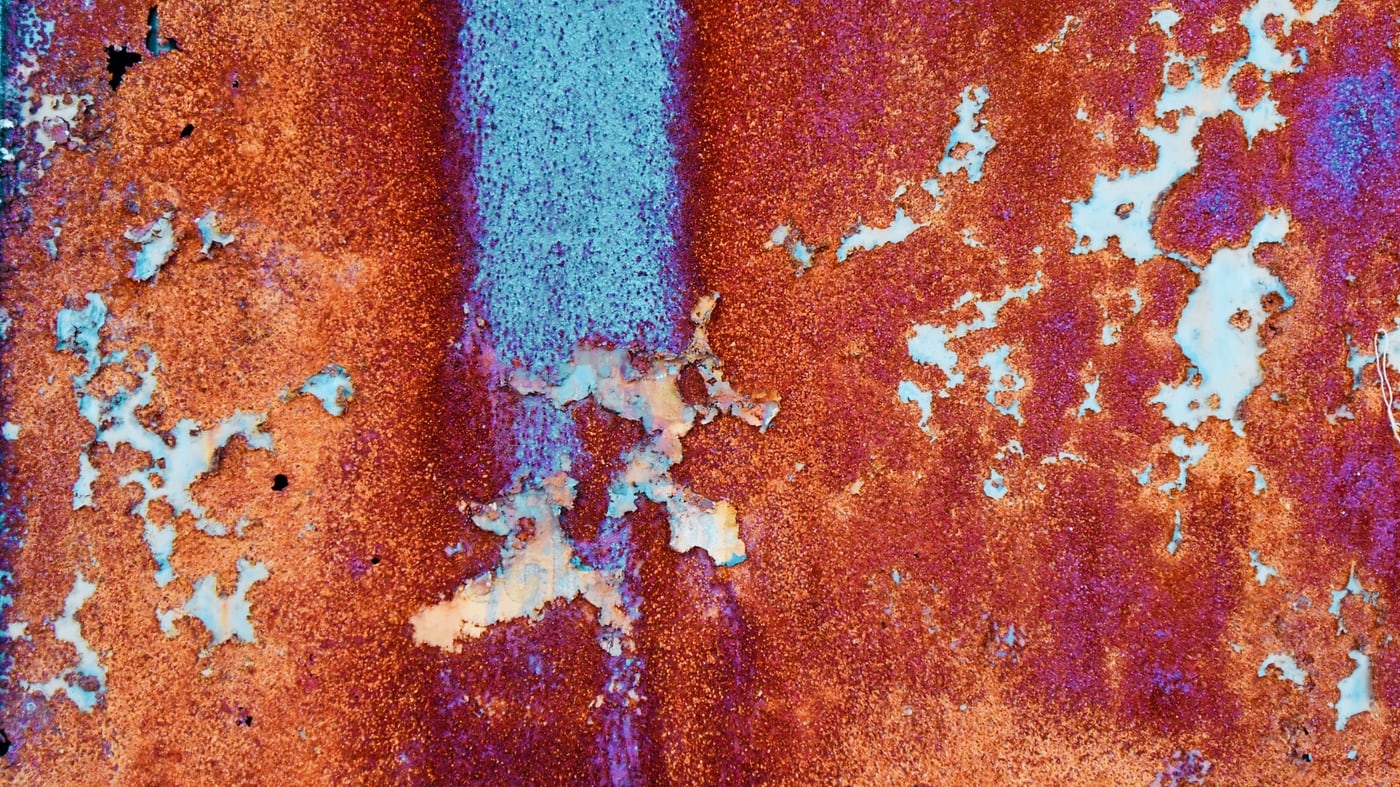
Corrosion is by its nature a visual and tactile phenomenon. Assessors must describe the extent, location, and type of corrosion in a way that supports both immediate maintenance decisions and long-term trend analysis. Paper forms are poorly suited to this: descriptions vary between inspectors, sketches are imprecise, and comparing records from different inspection cycles requires manual collation.
Digital inspection addresses these limitations directly. Mobile devices running digital inspection applications enable inspectors to capture structured observations, annotated photographs, and GPS-tagged location data in a single workflow, creating rich records that support both immediate decision-making and long-term corrosion trend analysis.
Digital Capabilities for Corrosion Inspection
Inspectors photograph corrosion at each inspection point and annotate images directly on the device, providing the clearest possible record of extent and type. Images are attached to the asset record and available for comparison at the next inspection.
Assets are identified by barcode or RFID scan, instantly surfacing the correct inspection checklist and the complete corrosion history for that specific item, eliminating the risk of inspecting the wrong asset or missing an item in a large inventory.
Digital checklists include standardised corrosion rating scales, reducing the subjectivity in condition assessment and enabling consistent comparison across inspection cycles and between inspectors.
When corrosion ratings exceed defined thresholds, the system automatically generates a maintenance work order and escalates it to the appropriate maintenance team, ensuring timely intervention without manual follow-up.
Trend Analysis and Predictive Maintenance
One of the most significant advantages of digital corrosion inspection over paper records is the ability to analyse corrosion trends over time. When inspection data is stored in a structured digital format, it becomes possible to track the rate of corrosion progression at specific locations, identify assets that are corroding faster than expected, and predict when intervention will be required.
For organisations managing large infrastructure assets such as pipelines, bridges, or industrial plant, this predictive capability is highly valuable. Maintenance resources can be allocated to assets approaching critical thresholds rather than distributed evenly across the asset portfolio, improving both safety outcomes and maintenance cost efficiency.
Corrosion Inspection in Hazardous Environments
Many assets requiring corrosion inspection are located in hazardous environments including offshore platforms, chemical processing facilities, and mining operations. In these settings, intrinsically safe mobile devices rated for use in explosive atmospheres enable digital corrosion inspection to be conducted safely in areas that would otherwise preclude the use of standard consumer electronics.
For oil and gas operators and manufacturing facilities managing extensive corrosion inspection programmes, the combination of intrinsically safe devices and a powerful asset management platform represents the current state of best practice in corrosion control engineering inspection.
The Path Forward
As industry standards for corrosion inspection continue to develop, digital inspection platforms offer organisations a straightforward mechanism to update their checklists to reflect new requirements immediately, without reprinting paper forms or retraining staff on new manual procedures. The combination of structured data capture, photographic evidence, trend analysis, and automated work order generation makes digital corrosion inspection not just an efficiency improvement over paper, but a qualitatively different and more capable approach to managing one of industry's most persistent asset integrity challenges.
Naaman Shibi is a VP at Pervidi Software, leading the adoption of AI-powered inspection and compliance solutions across industries including mining and construction. With more than 25 years of experience in digital transformation, Naaman has helped organisations replace paper processes with efficient mobile technology. His focus is on delivering practical innovations, from AI image integration to predictive maintenance, that empower frontline teams and improve operational outcomes.
Ready to go paperless?
See how Pervidi helps organisations streamline inspections, reduce risk, and maintain compliance with mobile-first digital solutions.
Book a Demo