Digital Naval Inspection Solutions for Marine Organisations
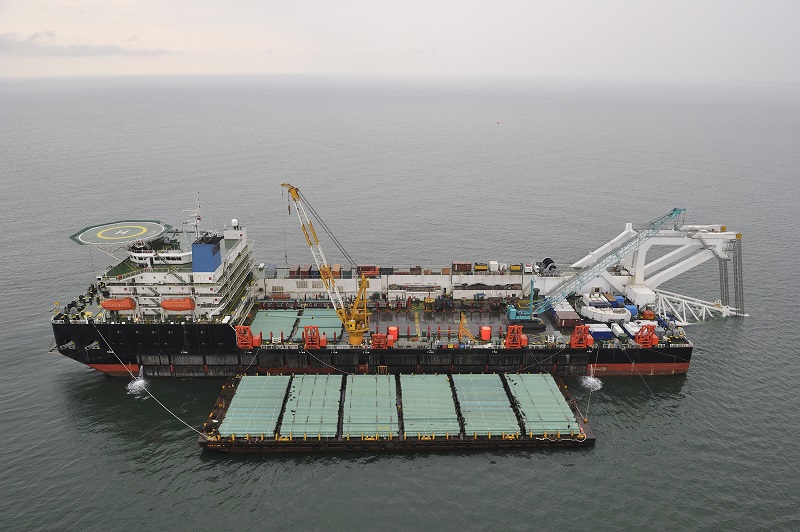
Within the Pacific Region, many organisations and businesses rely in some way on naval inspection for transport, operations, or resource extraction. From commercial fishing to container shipping, the surrounding seas support diverse industries, each with distinct inspection requirements and regulatory obligations.
While the vast majority of these operators work within industry regulations such as ISO 21984:2018, incidents and operational failures can still slip through safety procedures. Organisations are increasingly dealing with delays caused by equipment issues going undetected until it is too late to address them without taking vessels off service. Some organisations have responded by integrating digital naval inspection solutions into their processes, with measurable improvements in productivity and operational efficiency.
The Challenge of Naval Inspection
Naval and marine inspection presents unique challenges compared to land-based operations. Vessels operate in remote locations, often far from shore facilities and maintenance teams. Inspection personnel must assess complex mechanical systems, structural integrity, safety equipment, and regulatory compliance in environments that are physically demanding and sometimes hazardous.
Paper-based inspection in these conditions is problematic. Forms deteriorate in marine environments. Manual transcription of field observations introduces delay and error. When paper inspection records are stored on the vessel, they are not accessible to shore-based maintenance schedulers or fleet managers. Digital inspection addresses all of these limitations.
What Digital Naval Inspection Delivers
Structured digital checklists guide inspection personnel through hull, machinery, safety equipment, and navigation system checks, with photo documentation and condition ratings for each component.
Inspection records aligned to AMSA, SOLAS, or flag state requirements are stored in a searchable digital database, retrievable immediately during port state control inspections.
Shore-based fleet managers see the inspection status of all vessels in real time, with alerts for overdue inspections, outstanding defects, and equipment approaching service intervals.
Defects identified during inspection automatically generate maintenance work orders, which can be assigned to on-board crew or scheduled for shore-based maintenance at the next port call.
Mobile Devices in the Marine Environment
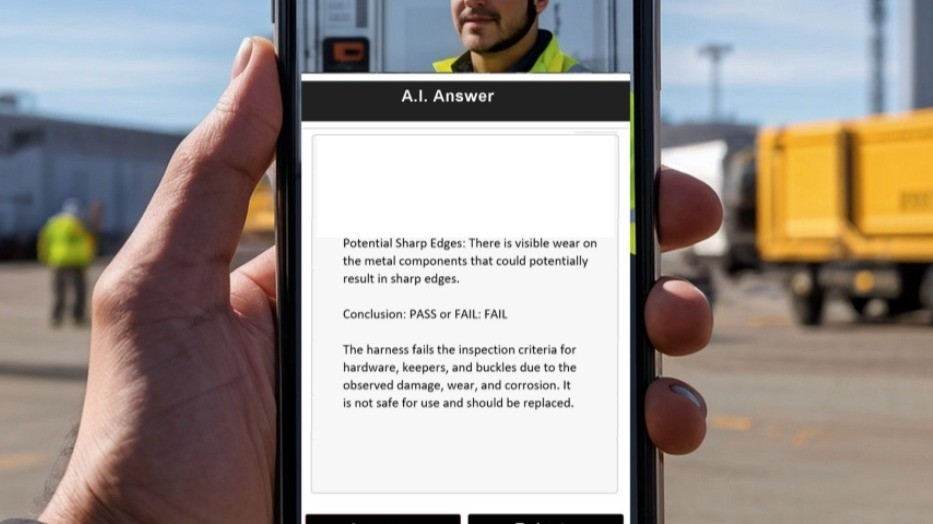
The inspection application successfully integrates different features of the mobile device including the camera, microphone, GPS, and barcode scanner into a single inspection workflow. For marine operations, ruggedised devices rated for water resistance and salt air exposure are recommended. These devices run the same digital inspection platform as their consumer counterparts, providing all the functionality of a capable inspection tool in a form factor suited to the marine environment.
Third-party marine surveyors and flag state inspectors can also be given access to relevant inspection records via the platform, streamlining the information exchange that is central to classification surveys and port state control inspections.
Connectivity Considerations
A practical consideration for naval inspection is connectivity. Vessels operating offshore do not always have reliable internet access. Modern digital inspection platforms support offline operation: inspectors complete their checklists and capture photographs without connectivity, and the data synchronises automatically when the device reconnects to a network. This offline-first architecture ensures that the inspection workflow is never interrupted by connectivity limitations.
Industry Applications Across the Pacific
The diversity of marine industries in the Pacific Region means that digital naval inspection solutions are relevant across a wide range of operations. Commercial fishing fleets use digital inspection to manage vessel safety and asset maintenance. Offshore oil and gas support vessels manage complex equipment registers digitally. Passenger ferry operators use digital pre-departure safety checks that create auditable records for each voyage.
In each context, the shift from paper to digital inspection delivers the same core benefits: more accurate data, faster access to records, reduced administrative burden for crew and fleet managers, and a stronger foundation for regulatory compliance. For marine organisations in the Pacific, digital naval inspection is increasingly the operational standard rather than the exception.
Naaman Shibi is a VP at Pervidi Software, leading the adoption of AI-powered inspection and compliance solutions across industries including mining and construction. With more than 25 years of experience in digital transformation, Naaman has helped organisations replace paper processes with efficient mobile technology. His focus is on delivering practical innovations, from AI image integration to predictive maintenance, that empower frontline teams and improve operational outcomes.
Ready to go paperless?
See how Pervidi helps organisations streamline inspections, reduce risk, and maintain compliance with mobile-first digital solutions.
Book a Demo