Digital Sustainability is Vital for Organisations Thinking About the Future
Digital sustainability is not just about solving problems now; it is about thinking ahead. Recent years have demonstrated unmistakably the effect that human activity has on the planet. A broad slowdown in industrial activity led to measurable reductions in fossil fuel emissions and environmental waste. As the world reopens and industrial sectors ramp back up, forward-thinking organisations have a genuine opportunity to move ahead with a greener operational mindset.
This is the moment to take digital sustainability seriously, not as a trend but as a long-term operational strategy.
What Digital Sustainability Means for Organisations
Digital sustainability is a multi-faceted concept. At its most basic, it means replacing physical, paper-intensive processes with digital alternatives that consume less material, generate less waste, and enable more efficient use of resources. At a deeper level, it means using digital tools to measure, manage, and continuously improve an organisation's environmental footprint.
ISO Guide 84, published by the International Organization for Standardization, provides guidelines for addressing climate change in standards. It outlines how organisations can adopt greener operating practices and integrate climate considerations into their management systems. For organisations already using digital inspection and asset management platforms, aligning with ISO Guide 84 is a natural extension of an existing digital operations strategy.
The Paperless Dimension of Digital Sustainability
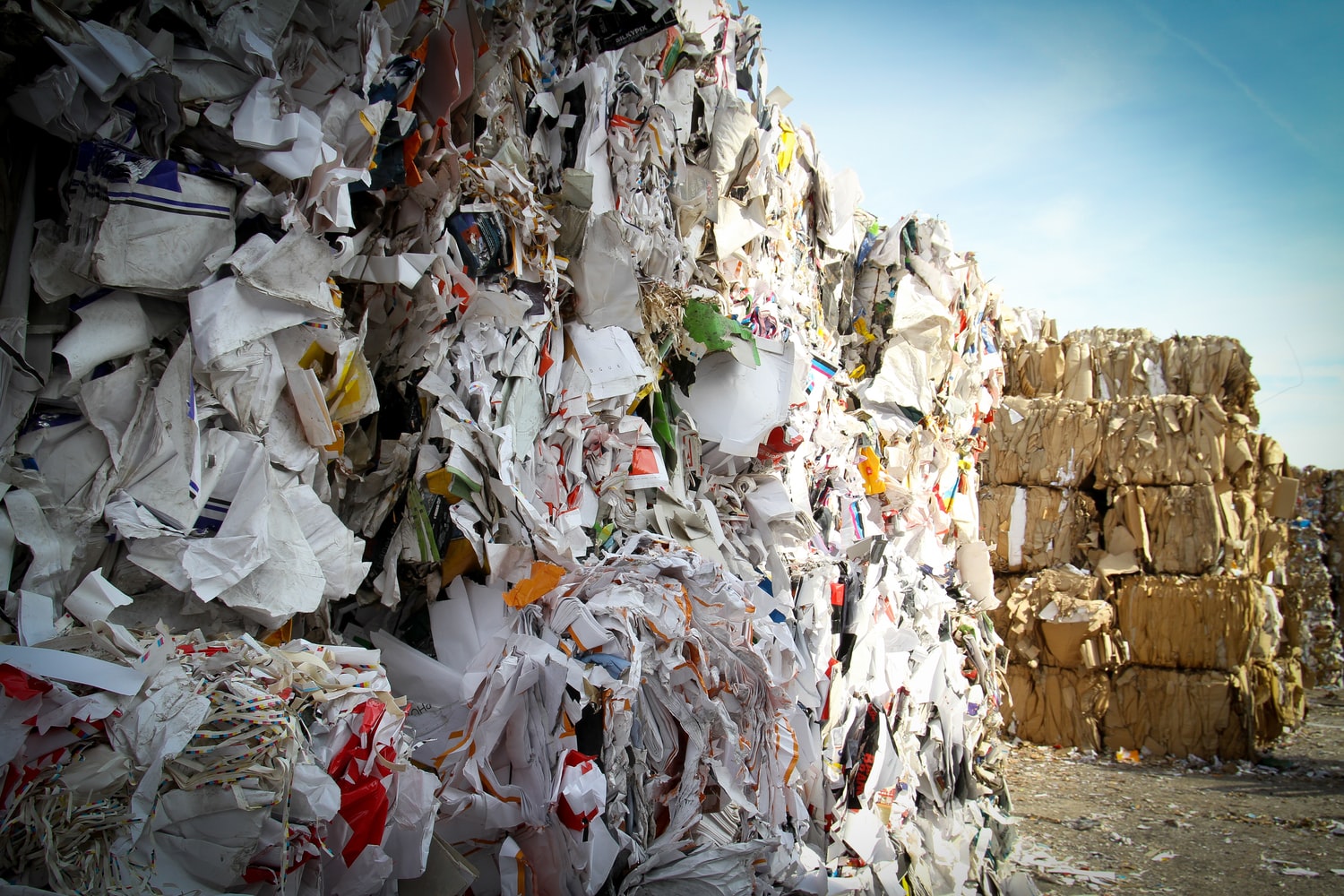
The transition from paper-based inspection to digital workflows is one of the most direct and immediate contributions an operations team can make to digital sustainability. Consider the volume of paper consumed annually by a mid-sized organisation conducting regular inspections across its facilities: pre-start checks, safety audits, maintenance records, compliance forms, and site inspection reports. Moving these to digital formats eliminates printing, storage, and eventual disposal of large volumes of paper.
Beyond the direct paper saving, digital inspection eliminates the energy consumption associated with physical document storage, retrieval, and archiving. Records are stored and accessed electronically, reducing both the physical infrastructure needed for paper archives and the travel often required to retrieve historical inspection records from off-site storage.
Digital Sustainability Across Industry Sectors
Digital inspection and CMMS platforms reduce reactive maintenance, which typically involves more resource consumption than planned preventive maintenance. Better-maintained equipment also runs more efficiently, directly reducing energy consumption.
Digital pre-start checks and vehicle maintenance records reduce fleet downtime and support fuel efficiency by ensuring vehicles are running at optimal condition. Route optimisation enabled by digital data further reduces fuel consumption.
Digital building inspections can identify energy waste, water leaks, and equipment inefficiencies that contribute to both operational cost and environmental impact, creating a continuous improvement cycle for facility sustainability.
Digital inspection throughout construction projects reduces material waste from errors and rework, and ensures that sustainability commitments made in project specifications are actually delivered and documented.
Measuring and Reporting Sustainability Progress
Digital sustainability requires measurement. Organisations need to be able to demonstrate genuine progress rather than simply claiming it. Digital inspection platforms that include environmental audit checklists, energy consumption monitoring, and waste tracking give organisations the structured data needed to report credibly on their sustainability trajectory.
This reporting capability is increasingly important as sustainability disclosure expectations grow. Investors, regulators, and corporate customers are requiring verifiable environmental performance data. Organisations with robust digital sustainability records are better positioned to meet these expectations than those relying on estimates or selective anecdotes.
Starting the Digital Sustainability Journey
The starting point for most organisations is relatively straightforward: identify your most paper-intensive inspection and compliance processes and move them to digital. This single step typically delivers the most immediate sustainability benefit while also improving operational efficiency.
From that foundation, organisations can progressively add environmental monitoring checklists, energy audit workflows, and sustainability-aligned reporting to build a comprehensive digital sustainability programme. The technology is available. The standards are in place. The only remaining question is whether your organisation is ready to think about the future as seriously as it deserves.
Naaman Shibi is a VP at Pervidi Software, leading the adoption of AI-powered inspection and compliance solutions across industries including mining and construction. With more than 25 years of experience in digital transformation, Naaman has helped organisations replace paper processes with efficient mobile technology. His focus is on delivering practical innovations, from AI image integration to predictive maintenance, that empower frontline teams and improve operational outcomes.
Ready to go paperless?
See how Pervidi helps organisations streamline inspections, reduce risk, and maintain compliance with mobile-first digital solutions.
Book a Demo