Digital Transformation in Asset Inspection: Smarter, Faster, Integrated
Shipping containers are the backbone of global trade. At any given time, an estimated 20 to 25 million containers are moving through global supply chains, managed across a vast network of vessels, ports, rail networks, trucks, depots, and factories.
Not all of these are at sea. Container logistics is intermodal. Around a quarter are in ports or terminals at any one moment. Up to 45 per cent are on land, moving through inland networks. Every transfer point introduces risk, handling exposure, and the need for inspection. Every loading point raises questions about structural integrity and contractual responsibility.
This scale of movement, combined with the physical demands placed on containers through lifting, stacking, impact forces, and environmental stress, makes structured inspection programs not just useful but essential. And for decades, those programs have been largely paper-based. Inspectors moved through yards with clipboards, recording findings by hand, returning to an office to type up reports, and chasing approvals through email chains.
Digital transformation is changing that in ways that go far beyond simply replacing paper with a screen.
The Scale of the Challenge
Traditional paper-based inspection methods are no longer adequate in high-volume container environments. Manual documentation slows reporting and introduces inconsistency. When every inspector records damage in their own way, using their own terminology and notation, the resulting data is difficult to aggregate, compare, or use as the basis for dispute resolution with container owners.
The MNR (Maintenance and Repair) process in container logistics is particularly dependent on precise, standardised documentation. When a depot inspector identifies structural damage, the findings need to be recorded using industry-standard defect codes, supported by photographs, and transmitted to the container owner for approval before repair work begins. Any ambiguity in that record increases the likelihood of disputes, delays in authorisation, and extended time out of service for the asset.
Multiply that across thousands of containers moving through a major depot each month, and the operational cost of inconsistent, slow documentation becomes significant.
How Digital Inspection Platforms Change the Model
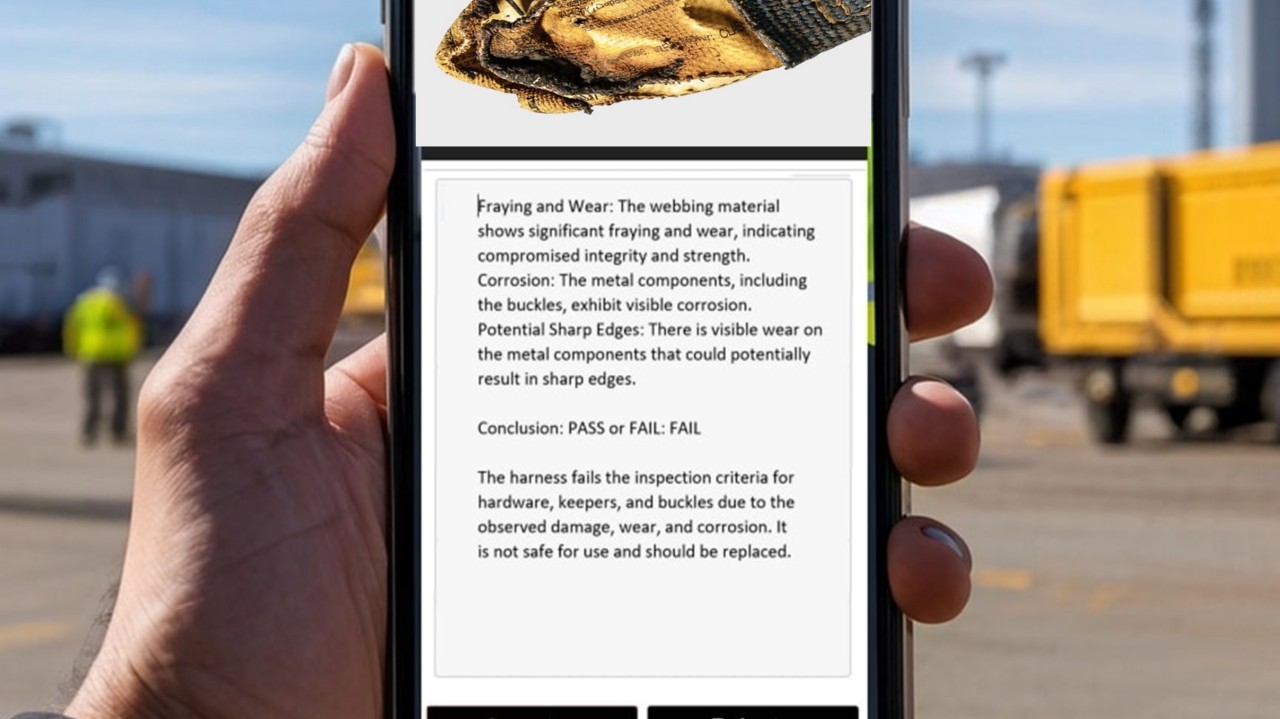
Modern mobile survey platforms embed ISO and IICL-aligned standards directly into structured workflows. Inspectors are guided through predefined defect codes, ensuring objective classification and defensible MNR reporting regardless of who is conducting the inspection or where they are located.
Integration with Maintenance Workflows
When inspection platforms integrate with maintenance systems, defects can automatically generate work orders and approval workflows. The time between damage identification and corrective action is significantly reduced. A depot inspector records a defect in the morning. By the time they have moved to the next container, the defect is already in the repair queue, the container owner has been notified, and an approval request has been issued.
This kind of integrated workflow is only possible when inspection data is structured from the moment of capture, not retrospectively cleaned up before it can be used. Digital inspection platforms enforce structure at the point of entry, which is the only point where it can be guaranteed.
An important advancement in this space is direct digital interface with container owners. Inspection findings, MNR data, and EOR documentation can be transmitted electronically in real time, reducing disputes and accelerating approvals. When both parties see the same structured data, supported by the same photographs, linked to the same defect codes, the basis for disagreement narrows considerably.
Inspection Data as Operational Intelligence
The most significant shift that digital transformation enables is not speed, though speed improves. It is not consistency, though consistency improves. It is the transformation of inspection data from a compliance record into operational intelligence.
When inspection data is structured and accessible, it can be aggregated across large fleets to identify patterns: which container types sustain the most damage at which transfer points, which depots have the highest defect rates for specific damage categories, how repair costs have changed over time for specific asset classes. This kind of analysis is impossible when findings are stored as scanned PDFs in filing systems.
Pervidi supports this transition from field-based mobile survey through to integrated maintenance workflows and direct digital communication with container owners. The objective is not to digitise paper. It is to create structured, integrated, standards-based systems that support safety, efficiency, and transparency across global fleets.
Digital transformation in asset inspection is not about removing paper. It is about creating structured, integrated systems that support safety, efficiency, and transparency across global fleets.
For operations teams managing high-volume intermodal assets, that shift represents a fundamental improvement in how inspection programs deliver value: not just as a compliance function, but as a source of data that informs better decisions across the full asset lifecycle.
Naaman Shibi is a VP at Pervidi Software, leading the adoption of AI-powered inspection and compliance solutions across industries including mining and construction. With more than 25 years of experience in digital transformation, Naaman has helped organisations replace paper processes with efficient mobile technology. His focus is on delivering practical innovations, from AI image integration to predictive maintenance, that empower frontline teams and improve operational outcomes.
Ready to move beyond paper-based asset inspection?
See how Pervidi connects field inspection, structured defect capture, and maintenance workflows into a single integrated platform for high-volume asset operations.
Book a Demo