High Rise Window Cleaning Safety Inspections
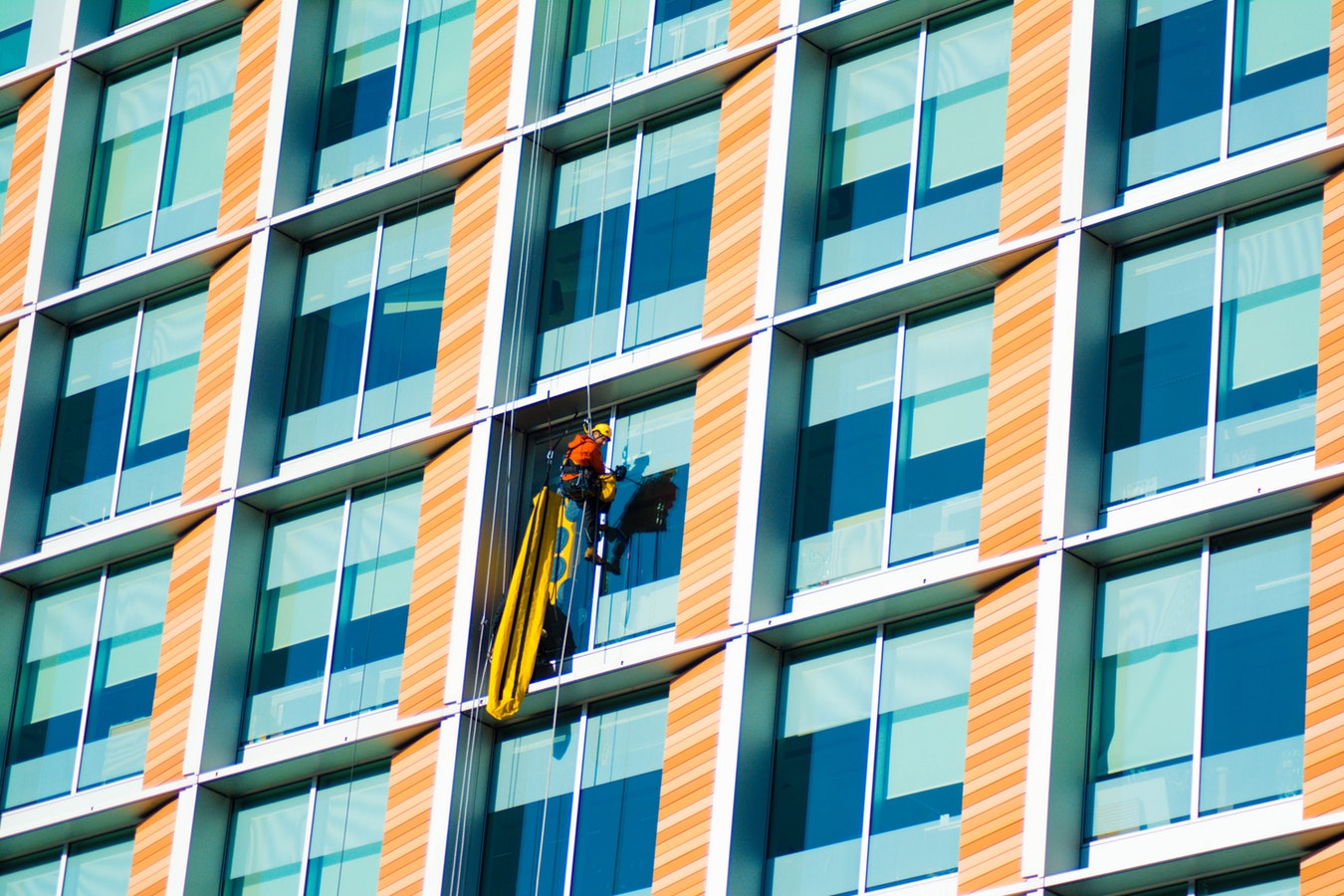
High rise window cleaning and safety inspections is a dangerous business often left for those with an appetite for adrenaline and nerves of steel. Yet the job must be done, and recent safety efforts have continued to increase the safety for those involved in this industry. With newer technology continuously being made available, it has provided companies the opportunity to continue to improve their operational efficiency and better their existing safety producers, including work safety plans. Window cleaning inspection is vital to ensure such a high-risk job can be undertaken safely.
The Scale of the Risk
Working at such heights dramatically increases statistical evidence that something may go seriously wrong. According to the Government body Safe Work Australia, falls from heights are a major cause of death and injury in Australian workplaces. On average, around 26 workers fall to their deaths each year and nearly 8,000 others are injured in incidents involving falls. For companies operating in the high-rise window cleaning industry, these statistics represent both a moral obligation and a significant regulatory and legal responsibility.
As such, it is vital that companies create and abide by thorough safety plans and preventative procedures. Although regulations do their best at creating safe workplaces, a recent argument has arisen around certifying and tagging building anchors, much like electrical power boards and tools must be inspected, tested, and tagged. By doing so, this not only ensures the current safety of high-rise workers but begins to create a log of safety reference that can be examined to ensure the safety of workers in the future.
Building a Digital Safety Inspection Program for Working at Heights
Having rigorous safety standards is also an attractive element for building maintenance officers when choosing a service provider. A company that can demonstrate a documented, consistent inspection program has a competitive advantage, as well as a stronger position if an incident occurs and the adequacy of the company's safety management system comes under scrutiny.
Investing in worker safety is only a small cost considering the consequences if it is ignored. Implementing a digital safety plan reassures employees that their employer is continually investing in methods and tools to improve their safety. Key areas where digital inspection supports high-rise window cleaning safety include:
- Anchor point certification and tagging: Each anchor point can be assigned a QR code or RFID tag within the asset management system, with inspection records linked directly to the physical anchor, showing when it was last inspected, by whom, and what the findings were
- Equipment pre-use inspection: Ropes, harnesses, descenders, and rigging equipment require systematic inspection before each use; digital checklists ensure no item is overlooked and photo evidence documents equipment condition
- Site risk assessment: Each building presents unique access challenges; digital inspection forms support pre-job site risk assessments that document hazards, controls, and approvals before work commences
- Rescue plan documentation: Emergency rescue procedures for workers suspended at height must be documented and accessible; digital platforms allow these to be stored against the job record and accessed on the device
- Periodic re-certification: Anchor points, equipment, and supervisor competencies require periodic re-certification; the platform tracks due dates and generates reminders before certification expires
Under Australian Work Health and Safety legislation, a person conducting a business or undertaking (PCBU) has a primary duty of care to ensure the health and safety of workers, so far as is reasonably practicable. For high-rise window cleaning, this includes providing and maintaining safe systems of work, including equipment inspection and risk assessment programs. A digital compliance platform provides the documented evidence to demonstrate that duty of care obligations are being met.
For asset management of building access systems, maintaining a complete digital record of every anchor point, every piece of suspended access equipment, and every inspection carried out means that building owners and maintenance managers have a clear view of the safety status of their assets at all times.
Digitise your working-at-heights safety inspections
Book a 30-minute demo to see how Pervidi helps companies working at height maintain rigorous safety plans, certify and tag anchor points, and create a complete digital log of safety inspections that protects workers and demonstrates compliance.
Book a demoNaaman Shibi is a VP at Pervidi Software, leading the adoption of AI-powered inspection and compliance solutions across industries including mining and construction. With more than 25 years of experience in digital transformation, Naaman has helped organisations replace paper processes with efficient mobile technology. His focus is on delivering practical innovations, from AI image integration to predictive maintenance, that empower frontline teams and improve operational outcomes.