How Paperless Solutions are Improving Mining Industry Inspection
Mining operations face inspection challenges that are unlike almost any other industry. Paperless mobile solutions are replacing outdated pen-and-paper processes, giving inspectors the tools they need to work accurately in demanding environments.
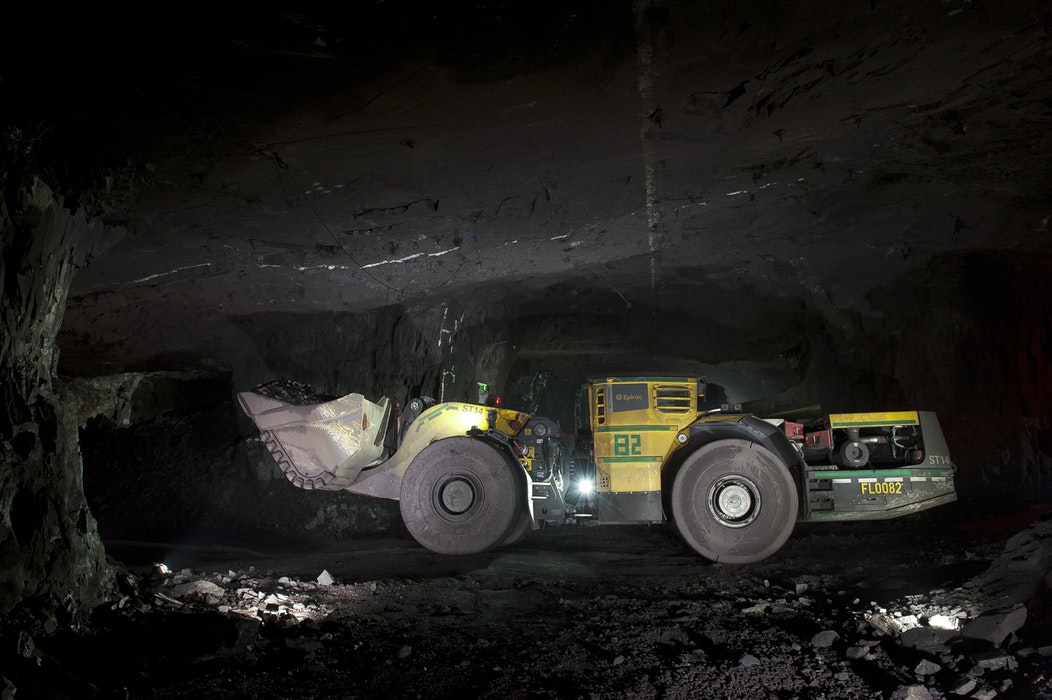
The mining industry presents a diverse set of inspection challenges. Hazardous environments, remote locations, heavy machinery, and strict regulatory requirements all combine to make thorough, accurate inspection critical. Yet for many operations, the process has remained largely unchanged for decades: pen, paper, and the hope that nothing falls through the cracks.
Outdated paper-based methods create real risk. Forms can be lost, damaged, or left incomplete. Deficiencies identified in the field may not reach supervisors until hours later, if at all. As regulations tighten and the consequences of missed inspections grow more serious, mining companies are turning to paperless inspection systems to transform how their teams work.
From PDAs to Smartphones: A Generational Shift
Early attempts at digital inspection in mining relied on ruggedised PDAs that were expensive, bulky, and difficult to update. The emergence of modern smartphones and tablets changed everything. Today's consumer devices far exceed the capabilities of those legacy tools, with larger screens, more powerful cameras, longer battery life, and the ability to run sophisticated inspection applications.
A contemporary mobile inspection system consists of two core components: a field application that runs on the inspector's device, and a back-end database that stores, manages, and reports on all captured data. Together they create a closed loop where every inspection, every finding, and every corrective action is recorded, timestamped, and accessible to the people who need it.

What Mobile Inspection Enables in Mining
The shift from paper to mobile is not simply a formatting change. It unlocks capabilities that were previously impossible in the field:
- Photo evidence capture: Inspectors can photograph PPE condition, equipment defects, and hazardous areas directly within the checklist, attaching visual evidence to the relevant item.
- Touchscreen annotation: Images can be marked up in real time, circling or highlighting the exact area of concern for review by supervisors or maintenance teams.
- Barcode and RFID scanning: Assets such as ground support equipment, lifting gear, and vehicles can be identified by scanning, eliminating manual entry errors and ensuring inspections are tied to the correct asset record.
- Standardised checklists with intelligent prompts: When a deficiency is recorded, the system can automatically suggest corrective actions based on the item flagged, reducing reliance on individual inspector knowledge.
- Reference material in the field: Operations manuals, standard operating procedures, and regulatory standards can be attached directly to checklist items, giving inspectors instant access to the guidance they need.
- Offline capability: Underground environments and remote surface sites often have no mobile signal. A well-designed inspection app stores data locally and syncs automatically when connectivity is restored, so inspectors never need to delay or skip a check due to dead zones.
Because findings are captured digitally, supervisors in the surface office can monitor inspection progress in real time. If a critical defect is flagged underground, a corrective work order can be raised before the inspector has even left the level. That speed of response is simply not achievable with paper.
"Paper forms can record what was found. Mobile inspection systems can record what was found, who found it, when and where, what it looked like, and what was done about it."
Compliance and Regulatory Standards in Mining
Mining operations in Australia and internationally are subject to a demanding set of compliance requirements. Relevant standards include ISO 21984 for mining equipment, ISO 14001 for environmental management, ISO 17096 for lifting equipment, and the AS 3.020 series covering specific equipment categories. A paperless inspection system allows these standards to be embedded directly into checklists, so inspectors are guided to check the right things at the right time.
Equally important is the audit trail. When a regulator, insurer, or internal auditor needs to verify that inspections were conducted and deficiencies addressed, a digital system produces that evidence instantly. Paper-based records require physical retrieval and are vulnerable to damage or loss.
Digital checklists also enforce consistency in a way that paper cannot. When an inspector must respond to a mandatory question before submitting a form, the risk of incomplete records is removed. If a non-conformance is raised against a piece of lifting equipment, the system can require a photograph, a severity rating, and an assigned corrective action before the checklist closes. Every step is timestamped, every user accountable. That level of defensible documentation is increasingly expected by insurers and regulators, not just best practice.
For mines operating under ISO 45001 occupational health and safety management requirements, a digital system provides the documented evidence of systematic hazard identification and control that the standard demands. Integrating inspection data with incident and accident management workflows closes the loop between hazard identification, corrective action, and verification of resolution.
Key Areas Where Mining Operations Benefit
- Underground and surface equipment inspections with full photo and asset evidence
- PPE condition checks tied to individual workers and issue records
- Ground support and structural inspections with annotated imagery
- Lifting equipment pre-use checks aligned to ISO 17096 and AS standards
- Environmental monitoring records for ISO 14001 compliance
- Shift handover documentation with real-time visibility across sites
Conclusion
The mining industry cannot afford inspection failures. The combination of hazardous conditions, regulatory scrutiny, and the scale of asset investment means that every missed deficiency carries real risk. Paperless inspection systems give field teams the tools to do their jobs thoroughly, consistently, and with a complete record of every action taken.
Pervidi's mining inspection solution is built for the demands of the industry. From underground equipment checks to surface compliance audits, it brings every inspection into a single connected system. Book a demo to see how it works in practice.
Naaman Shibi is a VP at Pervidi Software, leading the adoption of AI-powered inspection and compliance solutions across industries including mining and construction. With more than 25 years of experience in digital transformation, Naaman has helped organisations replace paper processes with efficient mobile technology. His focus is on delivering practical innovations, from AI image integration to predictive maintenance, that empower frontline teams and improve operational outcomes.
Ready to go paperless in your mine?
See how Pervidi helps mining operations eliminate paper, improve safety, and maintain a complete digital audit trail.
Book a demo