Mining Vehicles and Mobile Equipment: Digital Inspection for a Safer Fleet
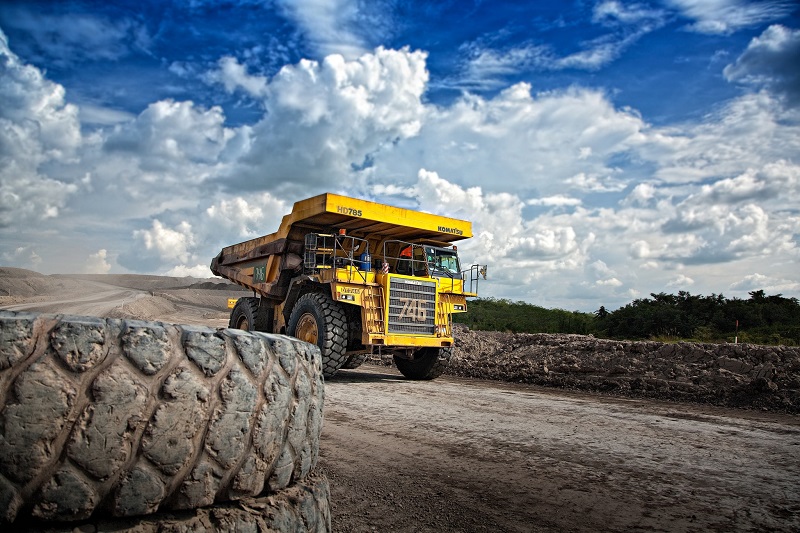
The nature of the mining industry is both diverse and specific, with highly tailored and powerful heavy mining vehicles and mobile equipment helping employees and mines to achieve their goals. From 300-tonne haul trucks on open-cut surfaces to underground loaders operating in low-clearance drives, the sheer variety of mobile plant creates significant complexity when it comes to inspection, maintenance, and compliance.
Today, many mines are choosing to use digital inspection applications to ensure their equipment and assets are running as smoothly and safely as possible. This gives management peace of mind on safety while guaranteeing that operations are running close to full productivity and efficiency. Critically, the benefits of digitising mobile plant inspections are not confined to a single department, they flow throughout the entire business and extend into the supply chain.
The Mining Vehicle Fleet: Scope and Diversity
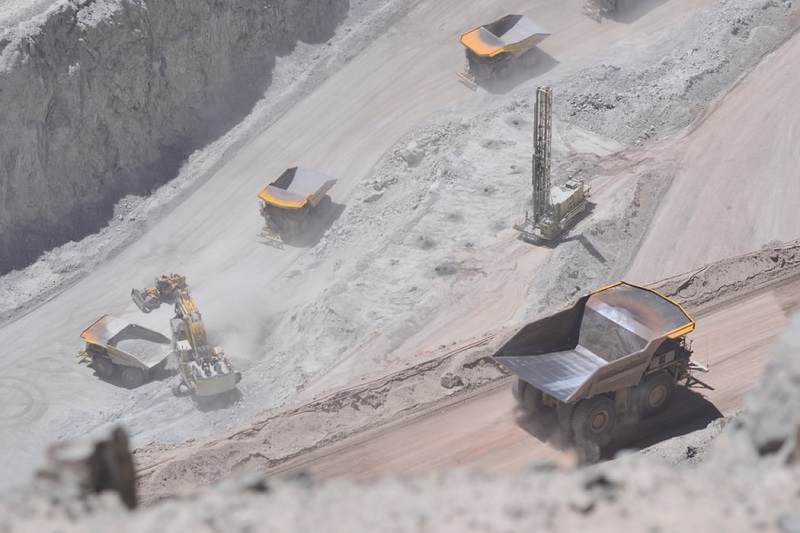
Mining mobile equipment spans an enormous range of machine types, each with distinct inspection requirements. A typical large surface mine operates across several categories:
- Haulage fleet: rigid-frame and articulated haul trucks, coal haulage vehicles, water carts
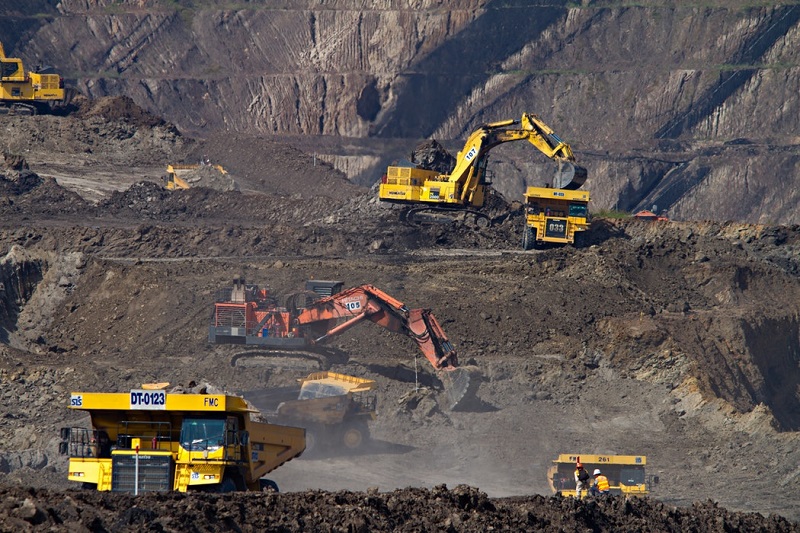
- Earthmoving plant: hydraulic excavators, rope shovels, bulldozers, motor graders, scrapers
- Drilling and blasting: rotary blast-hole drills, down-the-hole hammer rigs
- Loading and ancillary: wheel loaders, front-end loaders, skid-steer loaders
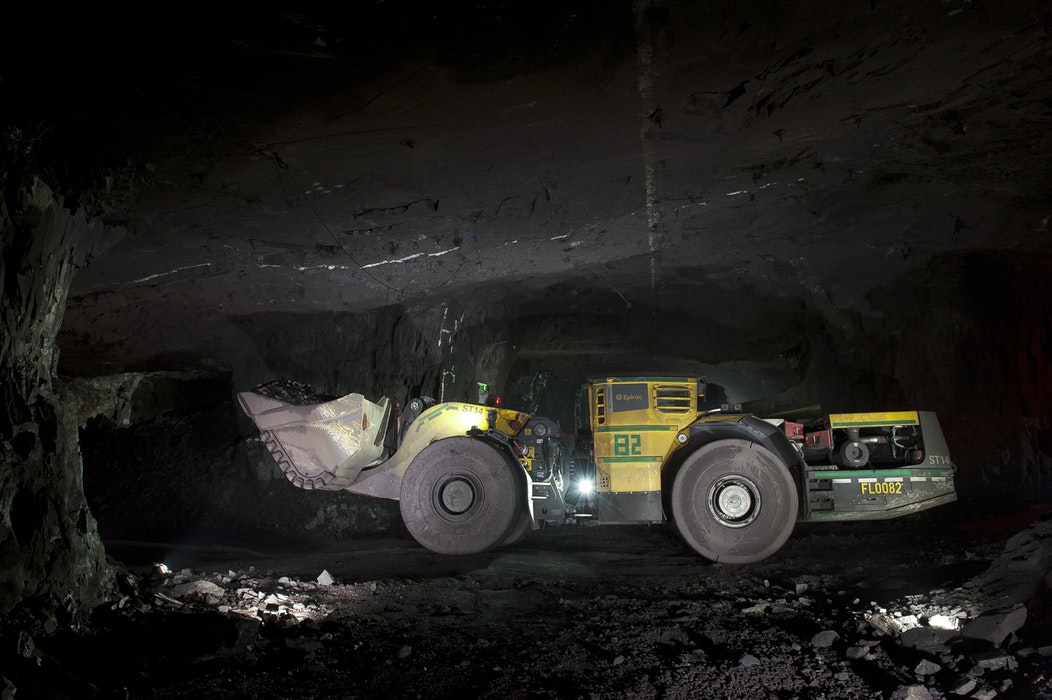
- Underground mobile plant: load-haul-dump units, underground trucks, development jumbos, bolters, and shotcrete sprayers
- Light vehicles: four-wheel drives, utilities, personnel carriers, and ambulances
Each machine class has its own regulatory inspection requirements, its own pre-start checklist structure, and its own failure modes. A generic paper checklist cannot adequately serve all of them, which is one of the fundamental arguments for configurable digital inspection tools.
Why Equipment Inspection Cannot Be Left to Chance
Mining is one of Australia's highest-risk industries. Mobile plant incidents, involving vehicles colliding with pedestrians, equipment rolling over on batters, and mechanical failures causing loss of control, account for a significant proportion of serious injuries and fatalities on mine sites each year. Pre-start inspections are the last line of defence before a machine with a defect enters operation.
When inspections are performed on paper, gaps are inevitable. Forms get wet, are completed in advance without actually walking the machine, or are filed without the defects being communicated to the maintenance team. By the time a supervisor reviews the paperwork, the machine has already completed a full shift. Digital inspection apps change this dynamic entirely by creating an inspection record that is verified, timestamped, and acted upon in real time.
How Digital Inspection Apps Support Mining Vehicle Pre-Start Checks
Digital inspection applications have a number of features that allow employees to carry out quick and efficient pre-start checks of mining vehicles and mobile equipment. The app is downloaded to a mobile device, consumer smartphone, enterprise rugged handset, or intrinsically safe device, and the operator works through a configurable checklist before starting the machine.
Asset-Specific Configurable Checklists
Each asset type is assigned its own checklist, configured to reflect the inspection requirements for that machine class. A haul truck checklist covers tyre condition and pressure, brake function, ROPS and FOPS integrity, lighting, mirrors, fluid levels, and reversing camera operation. An underground loader checklist emphasises fire suppression system checks, sprags, and steering response. Checklists are maintained centrally and pushed to all devices, so any update, whether regulatory or fleet-specific, is immediately available to every operator on every site.
Mobile Device Hardware Integration
Modern mobile devices bring significant capability to the inspection workflow. Operators can use the built-in camera to photograph defects directly within the inspection record, annotate images to pinpoint the location of damage, and use speech-to-text for hands-free input when wearing gloves or operating in dusty conditions. Barcode and RFID scanning enable rapid asset identification, operators scan a tag on the machine rather than manually typing an asset number, eliminating a common source of misidentification errors.
Standardised Responses for Consistent Data
Standardised response options, pass/fail, select-from-list, numeric entry, keep inspection data structured and comparable across the fleet. Rather than open-text fields that produce inconsistent language ("slight rattle," "small noise," "vibration"), digital checklists produce categorical data that can be trended, benchmarked, and reported on without manual interpretation. This matters enormously when a maintenance manager wants to identify whether a particular defect type is occurring more frequently on one machine model than another.
Offline Operation for Remote and Underground Sites
Many mine sites operate in locations with limited or no mobile network coverage. Underground mines have no coverage below the portal. Remote open-cut operations may have coverage gaps across parts of the pit or layback areas. The inspection app stores checklists locally and allows operators to complete and submit inspections without a connection. Records sync automatically to the cloud when connectivity is restored, providing a seamless experience regardless of where on site the inspection takes place.
Rugged and Intrinsically Safe Device Compatibility
For organisations that operate in hazardous areas, underground coal mines, processing plants with explosive atmosphere classifications, or surface fuel handling areas, the inspection app runs on intrinsically safe mobile devices certified to ATEX or IECEx standards. This means that even in Zone 1 and Zone 2 classified areas, operators can complete digital inspections without compromising safety system requirements. The same digital workflow used on a surface haul truck can be used underground.
Compliance with safety and environmental regulations such as ISO 14001 (environmental management), ISO 45001 (occupational health and safety), and specialised standards including ISO 21984:2018 is fundamental to mining vehicle operation. Digital inspection records provide the documented evidence of systematic inspection processes that these frameworks require, without the administrative burden of paper-based record keeping.
From Inspection to Action: Defect Management and Maintenance Integration
A pre-start inspection that identifies a defect has limited value if the defect is not acted upon before the machine enters service. Digital inspection apps connect the inspection record directly to the maintenance and management workflow. When an operator flags a critical defect, a failed brake check, a missing fire extinguisher pin, a cracked tyre sidewall, an automated notification is dispatched immediately to the maintenance supervisor and the shift manager.
Assets with critical defects can be flagged as out-of-service within the system, preventing a supervisor from inadvertently assigning that machine to work without resolving the defect. The maintenance team receives the defect report with the photograph attached, attends the machine, performs the repair, and signs off within the platform. Only then can the machine be returned to service. This closed loop, inspect, report, remediate, verify, is not achievable with paper-based systems without significant administrative effort.
Linking inspection data to the asset management system also enables trend analysis across the fleet. Recurring tyre defects on a particular equipment class might indicate a haul road condition issue. A cluster of hydraulic failures on machines operating in a specific area might point to contaminated fluid or temperature extremes. These patterns are only visible when inspection data is structured, searchable, and aggregated, conditions that paper records cannot satisfy.
Benefits Beyond Safety: Productivity and Supply Chain Efficiency
One of the top benefits of digital inspection applications is that setting them up does not mean only a few people can benefit. The positives flow throughout the entire business. Small improvements in inspection efficiency have significant effects for others across the supply chain.
When pre-start inspections are completed faster and more reliably, machines spend less time sitting idle at the start of a shift. When defects are identified and resolved before a machine enters service rather than during operation, unplanned downtime is reduced. When inspection records are available in real time rather than retrieved from a filing cabinet during an audit, compliance verification costs drop sharply. The aggregate effect across a large mining fleet is substantial.
Frequently Asked Questions
What types of mining vehicles can be covered by a digital inspection app?
Digital inspection apps can be configured for any class of mining mobile equipment: haul trucks, excavators, bulldozers, motor graders, drill rigs, underground load-haul-dump units, personnel carriers, light vehicles, elevated work platforms, and fixed plant. Each asset type has its own tailored checklist reflecting the specific inspection requirements for that machine class and the regulatory context in which it operates.
How does the system handle sites with no mobile coverage?
The inspection app operates fully offline. Checklists are stored locally on the device, allowing operators to complete and submit pre-start inspections without a network connection. Records are held in a local queue and sync automatically to the cloud server when connectivity is restored, whether that is at the end of the shift, at the portal entrance, or when the operator returns to an area with coverage. No data is lost and no inspections are delayed because of connectivity.
How do digital inspections support regulatory compliance in Australian mining?
In Australia, state and territory mining legislation imposes obligations on mine operators to inspect, maintain, and record the condition of mobile plant. Digital inspection records are server-timestamped, cannot be backdated, and are retrievable immediately for regulatory audit, investigation, or insurance purposes. This provides a materially stronger evidentiary record than paper checklists, and simplifies the demonstration of due diligence required under Work Health and Safety legislation and industry-specific mining regulations.
Digitise your mining vehicle inspections
Book a 30-minute demo to see how Pervidi configures asset-specific pre-start checklists for your entire mobile fleet, connects defect reports to your maintenance team in real time, and provides management with live compliance visibility across every site and shift.
Book a demoNaaman Shibi is a VP at Pervidi Software, leading the adoption of AI-powered inspection and compliance solutions across industries including mining and construction. With more than 25 years of experience in digital transformation, Naaman has helped organisations replace paper processes with efficient mobile technology. His focus is on delivering practical innovations, from AI image integration to predictive maintenance, that empower frontline teams and improve operational outcomes.