Mobile Device Distribution and Logistics Inspection
Distribution and logistics are often regarded as the operational backbone of a business, yet they are frequently one of the last areas to benefit from digital transformation. Many logistics and supply chain teams still rely on paper-based receiving, dispatch, and condition inspection processes, creating gaps in traceability and increasing the risk of errors that affect both operational efficiency and customer satisfaction.
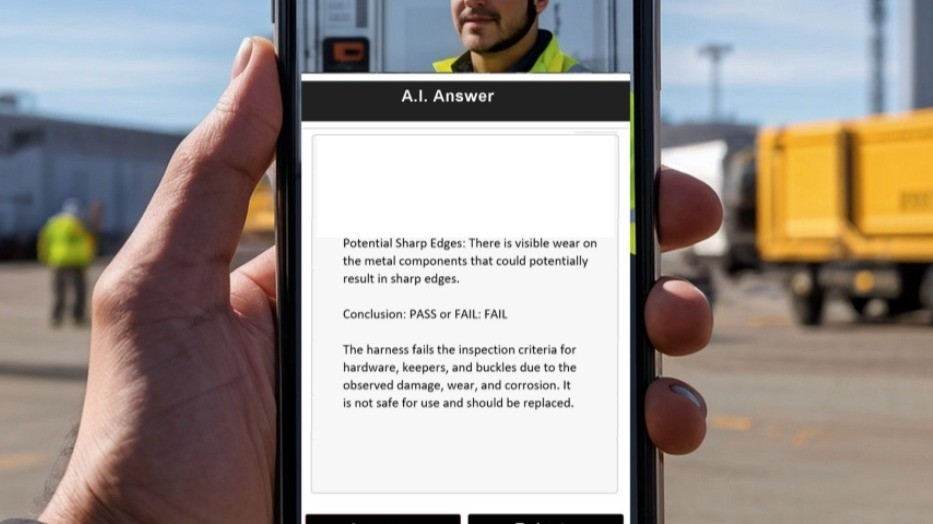
Mobile device distribution and logistics inspection replaces clipboard-and-paper workflows with structured digital checklists that capture data at the point of activity, link records to specific assets or shipments, and give managers real-time visibility over every stage of the distribution process.
Why Distribution Inspection Matters
Distribution and logistics inspection serves several critical functions. At goods receiving, inspection confirms that incoming shipments match purchase orders, that items are undamaged, and that temperature-sensitive or hazardous goods have been handled within specified conditions. At dispatch, inspection verifies that outgoing shipments are complete, correctly packaged, and accompanied by required documentation.
When these inspections are conducted on paper, disputes about goods condition at the point of delivery are difficult to resolve. A digital inspection record with timestamped photographs of goods on arrival provides clear evidence of the condition in which they were received, protecting both the receiving organisation and the supplier from unfounded claims.
Key Inspection Points in the Distribution Chain
- Goods inward receiving: quantity verification, damage inspection, temperature logging for cold chain goods
- Warehouse storage checks: racking condition, segregation compliance, hazardous goods storage requirements
- Pick and pack verification: order accuracy, packaging integrity, label correctness
- Outbound dispatch inspection: load security, vehicle condition, driver documentation
- Vehicle and fleet pre-start checks: roadworthiness, load securing equipment, temperature systems for refrigerated transport
- Delivery proof of condition: condition recording at point of delivery with customer acknowledgement
Receiving inspectors photograph damaged goods at the point of delivery. The photograph is timestamped and linked to the purchase order number, creating immediate evidence for supplier claims without relying on the driver to acknowledge damage at the time.
Temperature logs from refrigerated vehicles or cold storage areas are captured in the digital inspection record at each handover point, creating a complete cold chain record for temperature-sensitive goods including pharmaceuticals, fresh produce, and vaccines.
Drivers complete digital pre-start checklists before each trip. Faults are reported immediately to the fleet manager, who can make a go/no-go decision before the vehicle leaves the depot. This replaces paper pre-start books that may never be reviewed until an incident occurs.
At the point of delivery, drivers or delivery agents capture the condition of goods using the mobile inspection platform. The delivery record is linked to the shipment, and any damage noted at delivery is flagged immediately to the customer service and claims team.
Racking and Warehouse Infrastructure Inspection
Warehouse racking presents a significant safety risk when damaged. A forklift collision that damages a rack upright may not be immediately obvious, yet the structural compromise increases the risk of a rack collapse that could injure workers and destroy inventory. Regular asset management inspections of racking systems using digital checklists aligned with AS 4084 (Steel Storage Racking) ensure that damage is identified and rectified before it becomes a safety incident.
Digital inspection records for racking capture the location of each rack section using warehouse grid references, photograph damage at the specific location, and raise corrective actions with the appropriate risk level classification. Out-of-service tags can be generated for damaged sections, preventing continued use until repairs are completed.
Regulatory Compliance in Logistics
Distribution and logistics operations are subject to a range of regulatory requirements including chain of responsibility legislation for heavy vehicles, dangerous goods transport regulations, and food safety requirements for distribution of food products. Digital inspection records provide the documented evidence that compliance requirements are being met systematically, not just when an audit is announced.
For businesses operating in regulated supply chains, the ability to demonstrate documented inspection compliance throughout the distribution chain is increasingly expected by customers, certifying bodies, and regulatory authorities. A mobile device distribution inspection platform provides the systematic infrastructure to meet these expectations.
Naaman Shibi is a VP at Pervidi Software, leading the adoption of AI-powered inspection and compliance solutions across industries including mining and construction. With more than 25 years of experience in digital transformation, Naaman has helped organisations replace paper processes with efficient mobile technology. His focus is on delivering practical innovations, from AI image integration to predictive maintenance, that empower frontline teams and improve operational outcomes.
Ready to go paperless?
See how Pervidi helps organisations streamline inspections, reduce risk, and maintain compliance with mobile-first digital solutions.
Book a Demo