OHS Metrics Inspection Using Mobile Devices
OHS is a subject that every organisation wants to master, yet without robust metrics and the right tools to capture them, meaningful improvement remains elusive. Paper-based inspection systems produce data that is slow to collect, prone to transcription errors, and difficult to analyse at scale. Mobile devices change the equation entirely.
By moving OHS metric capture to smartphones and tablets, organisations gain real-time visibility into their safety performance across sites, shifts, and teams. This visibility is the foundation of any credible safety management system.
What Are OHS Metrics and Why Do They Matter?
OHS metrics are quantitative measures used to track the health and safety performance of an organisation. They fall into two broad categories: lagging indicators, which measure past events such as injury rates and lost-time incidents, and leading indicators, which measure proactive safety activities such as inspection completion rates, hazard identification counts, and corrective action close-out times.
Lagging indicators tell you what has already gone wrong. Leading indicators tell you whether you are doing enough to prevent the next incident. The most mature safety programs use both, with digital inspection platforms providing the data infrastructure to track leading indicators at scale.
Key OHS Metrics to Track with Mobile Inspection Tools
The percentage of scheduled inspections completed on time. A low rate is an early warning sign that inspection discipline is breaking down.
The number of hazards identified per inspection. A declining rate may indicate inspector fatigue or a template that has become too familiar to prompt genuine observation.
The average number of days between a finding being raised and its corrective action being completed. Long close-out times indicate a breakdown between inspection and maintenance workflows.
The volume of near-miss events reported relative to workforce size. A high rate indicates a healthy reporting culture; a low rate often reflects under-reporting rather than genuine safety.
How Mobile Devices Improve OHS Metric Capture
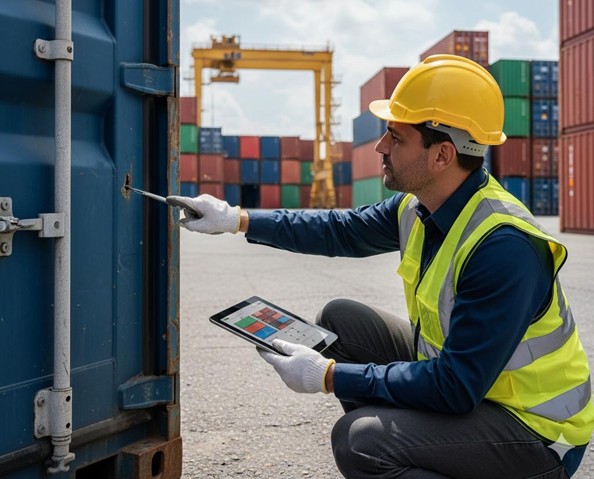
Traditional paper-based inspections introduce latency at every step. An inspector completes a paper form in the field, returns to the office, transcribes the data into a spreadsheet, and sends a report to management. By the time the data reaches a decision-maker, it may be days or weeks old. Mobile inspection removes every one of those steps.
When an inspector completes a check on a mobile device, the data is captured in structured form and transmitted to a central dashboard immediately. Managers can view real-time completion rates, open findings, and trend data without waiting for a weekly report. Automatic alerts notify the right people when a critical finding is raised, compressing the response time from days to hours.
"Leading OHS indicators captured through mobile inspection give safety managers the early warning signals they need to intervene before incidents occur."
Offline Capability for Remote and Field Operations
Many Australian workplaces, from mining sites to agricultural properties, operate in areas with limited or no mobile coverage. A capable mobile inspection platform supports offline data capture, storing completed inspections locally on the device and syncing automatically when connectivity is restored. This ensures that OHS metrics are captured consistently regardless of location, removing the last justification for reverting to paper in the field.
For organisations managing assets across multiple remote locations, asset management integration means that inspection findings are linked directly to the relevant asset record, creating a complete maintenance and compliance history without manual data entry.
Turning Metrics Into Improvement
Data collection is only valuable if it drives action. A well-designed OHS metric program uses dashboard reporting to identify patterns: which sites have the lowest inspection completion rates, which asset types generate the most corrective actions, which shifts have the highest near-miss rates. These patterns point safety managers toward the highest-leverage intervention opportunities.
For manufacturing and industrial organisations, benchmarking OHS metrics against industry averages provides context for performance and a target for continuous improvement. Mobile inspection platforms that export structured data to business intelligence tools make this kind of analysis straightforward, replacing manual spreadsheet work with automated insight.
Naaman Shibi is a VP at Pervidi Software, leading the adoption of AI-powered inspection and compliance solutions across industries including mining and construction. With more than 25 years of experience in digital transformation, Naaman has helped organisations replace paper processes with efficient mobile technology. His focus is on delivering practical innovations, from AI image integration to predictive maintenance, that empower frontline teams and improve operational outcomes.
Ready to go paperless?
Discover how Pervidi's digital inspection platform can transform your organisation's compliance and efficiency.
Book a Free Demo