Paperless Workplace Safety Inspection
Across industry sectors, workplace safety inspection is paramount to ensuring your staff can carry out their jobs without getting hurt. Whether your workplace is an office, a construction site, a manufacturing facility, or a healthcare environment, the obligation to identify and control workplace hazards is both a legal requirement and a fundamental duty of care.
The challenge is not knowing that inspections should happen. It is ensuring they happen consistently, thoroughly, and in a way that produces actionable data rather than filed-away paper that nobody reads. Paperless inspection tools address this challenge directly.
The Legal Framework for Workplace Safety Inspection
The Work Health and Safety Act 2011 (Cth) and equivalent state and territory legislation impose a primary duty of care on persons conducting a business or undertaking (PCBUs) to ensure, so far as is reasonably practicable, the health, safety, and welfare of their workers. The model WHS Regulations require specific inspection activities for defined categories of hazardous work, including work with hazardous chemicals, confined spaces, electrical work, and work at heights.
Inspection records are the primary mechanism by which organisations demonstrate that they are meeting their duty of care. In the event of a serious incident, regulators will seek evidence that hazard identification processes were in place and functioning. A robust digital inspection record provides that evidence far more convincingly than a paper form.
Elements of an Effective Workplace Safety Inspection
Systematic identification of physical, chemical, biological, and ergonomic hazards across the workplace. Digital checklists with industry-specific hazard prompts ensure that common hazard categories are not overlooked.
Assessment of the likelihood and consequence of each identified hazard, producing a risk rating that prioritises corrective action. Digital forms with built-in risk matrix calculations remove subjectivity from the rating process.
Every identified hazard should generate a corrective action with an assigned owner, due date, and defined control measure. Digital platforms track actions from identification through to completion and escalate overdue items automatically.
Follow-up inspection to verify that corrective actions have been implemented effectively. Digital workflows support this re-inspection process, closing the loop on every identified hazard.
Industry-Specific Inspection Requirements
While the general principles of workplace safety inspection apply across all industries, specific sectors have additional requirements that must be addressed. Construction sites require daily site inspections addressing fall hazards, plant exclusion zones, and excavation stability. Healthcare facilities must address biological hazards, manual handling, and patient handling equipment. Mining operations face additional requirements under the relevant state mining legislation.
A flexible digital inspection platform allows organisations to build inspection templates tailored to their specific industry and workplace context, ensuring that every relevant hazard category is addressed without forcing inspectors to work through irrelevant checks that dilute attention and reduce inspection quality.
"The quality of a workplace safety inspection is determined not by the length of the checklist but by whether every identified hazard generates a clear, tracked corrective action."
Management Visibility and Safety Leadership
Safety leadership research consistently shows that management engagement with safety inspection outcomes is one of the strongest predictors of safety performance. When leaders review inspection data, close out corrective actions, and are seen to act on identified hazards, the message to the workforce is clear: safety inspection is taken seriously here.
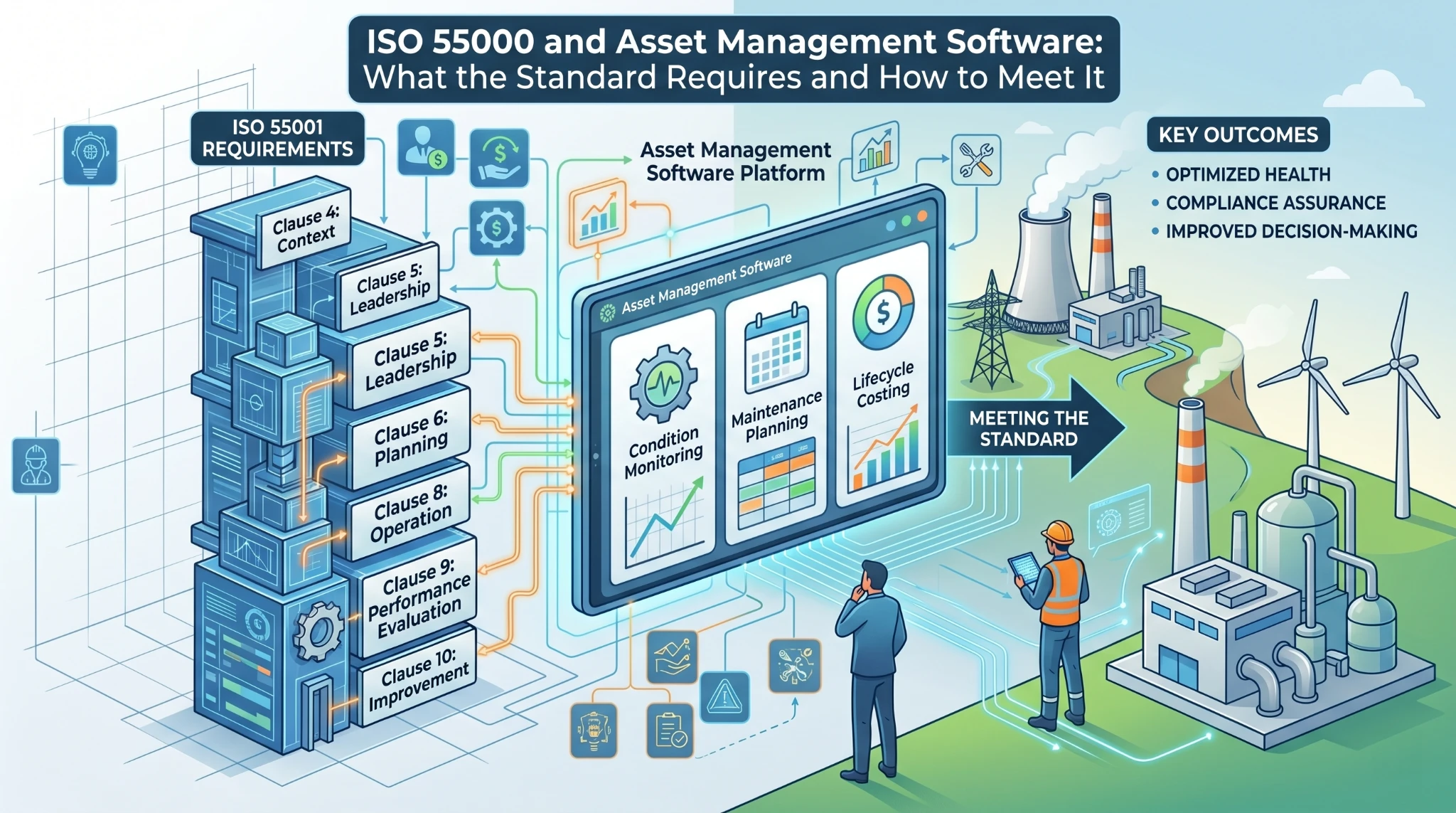
A digital inspection platform provides the real-time dashboard that makes management engagement practical. Rather than waiting for a weekly paper report, safety managers can see current inspection completion rates, open corrective actions, and hazard trends in real time, enabling informed safety conversations and timely intervention for all industrial and commercial operations. Connecting inspection data with asset management systems provides a complete view of both people-related hazards and equipment condition.
Naaman Shibi is a VP at Pervidi Software, leading the adoption of AI-powered inspection and compliance solutions across industries including mining and construction. With more than 25 years of experience in digital transformation, Naaman has helped organisations replace paper processes with efficient mobile technology. His focus is on delivering practical innovations, from AI image integration to predictive maintenance, that empower frontline teams and improve operational outcomes.
Ready to go paperless?
Discover how Pervidi's digital inspection platform can transform your organisation's compliance and efficiency.
Book a Free Demo