Solar Panel Inspection with AS 5033
The solar power industry is a rapidly growing sector in Australia. So much so that Australian Standards has recently revisited its standard AS 5033, which governs the installation and safety requirements of photovoltaic (PV) arrays. With close to four million solar systems installed across Australia in the past two decades, largely thanks to a dramatic reduction in costs, there is an ever-increasing demand for solar panel inspection, maintenance, and regulatory compliance management.
When manufacturing, owning, and operating solar panels, it is fundamental to meet industry and national compliance requirements and to ensure the safety of everyone involved. For some time, the industry's preferred solution for inspecting solar panels has been paperless inspection methods, combining a digital checklist with mobile devices. Modern and forward-looking energy solutions deserve equally modern and forward-thinking maintenance and inspection tools.
What AS 5033 Covers
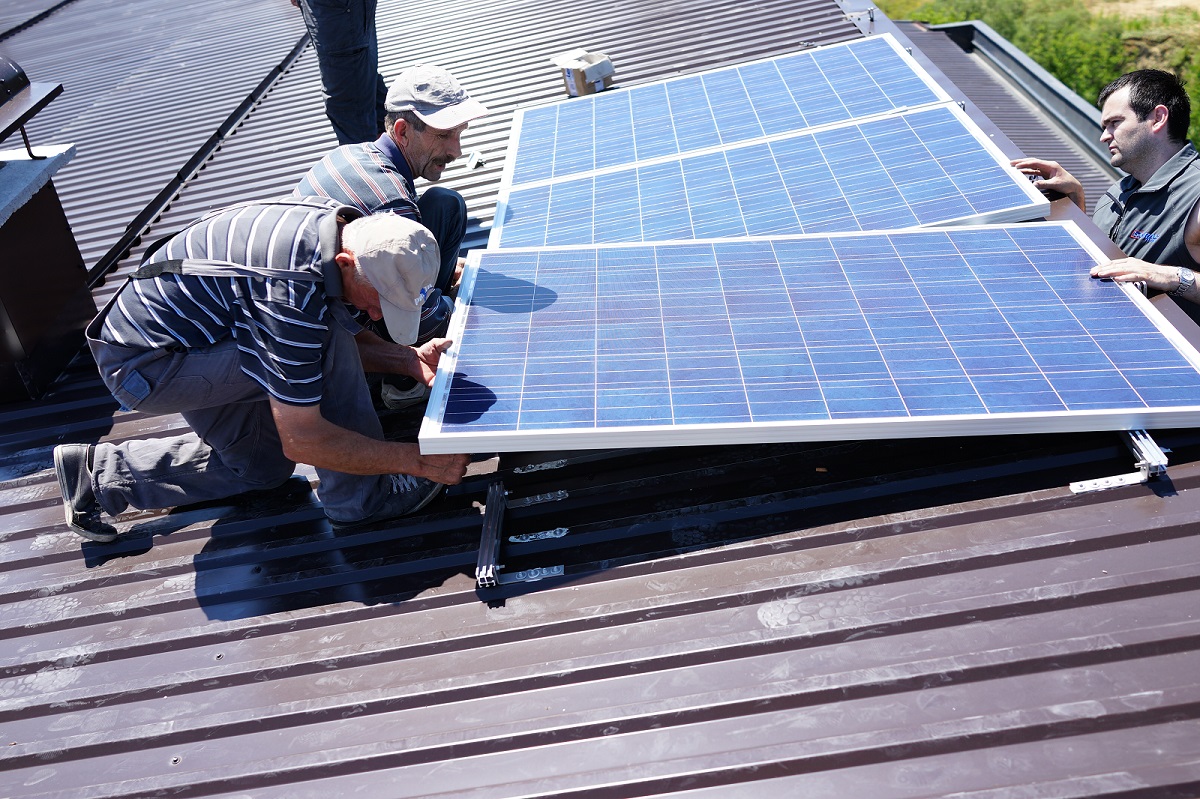
AS 5033 "Installation and Safety Requirements for Photovoltaic (PV) Arrays" sets out the requirements for the safe installation of solar panel systems in Australia. The standard covers wiring, earthing, overcurrent protection, isolation requirements, and the structural mounting of panels. With the updated version addressing the realities of a much larger installed base, inspection against AS 5033 requirements is now a routine necessity for solar system owners, installers, and maintenance providers.
Staying current with AS 5033 updates using paper-based inspection systems is cumbersome. Any revision requires reprinting checklists, redistributing them across the organisation, and managing the transition period during which different versions may be in circulation. Digital platforms eliminate this problem entirely.
How Paperless Inspection Supports AS 5033 Compliance
Paperless inspection solutions are uniquely designed to be both adaptable and user-friendly. Updates and revisions to manuals, inspection methods, or industry regulations such as AS 5033 can be incorporated into digital checklists quickly and pushed to every inspector's device remotely. The reference material can be refreshed on every checklist without reprinting a single page.
Equally, if checklists have been designed to specifically comply with AS 5033, they can be quickly modified to align with new updates. Inspectors on site always have access to the current version of the standard and the current version of the checklist, with no risk of using outdated inspection criteria.
Solar inspection features available through digital platforms
- Photo capture of panel condition, wiring, and mounting hardware
- Annotated images to highlight defects in specific components
- Barcode and QR scanning for inverter and panel identification
- Speech-to-text data entry for hands-free inspection in awkward locations
- Offline reporting for remote sites with limited connectivity
- Instant compliance documentation ready for regulatory submission
Photographic Evidence for Solar Panel Defects
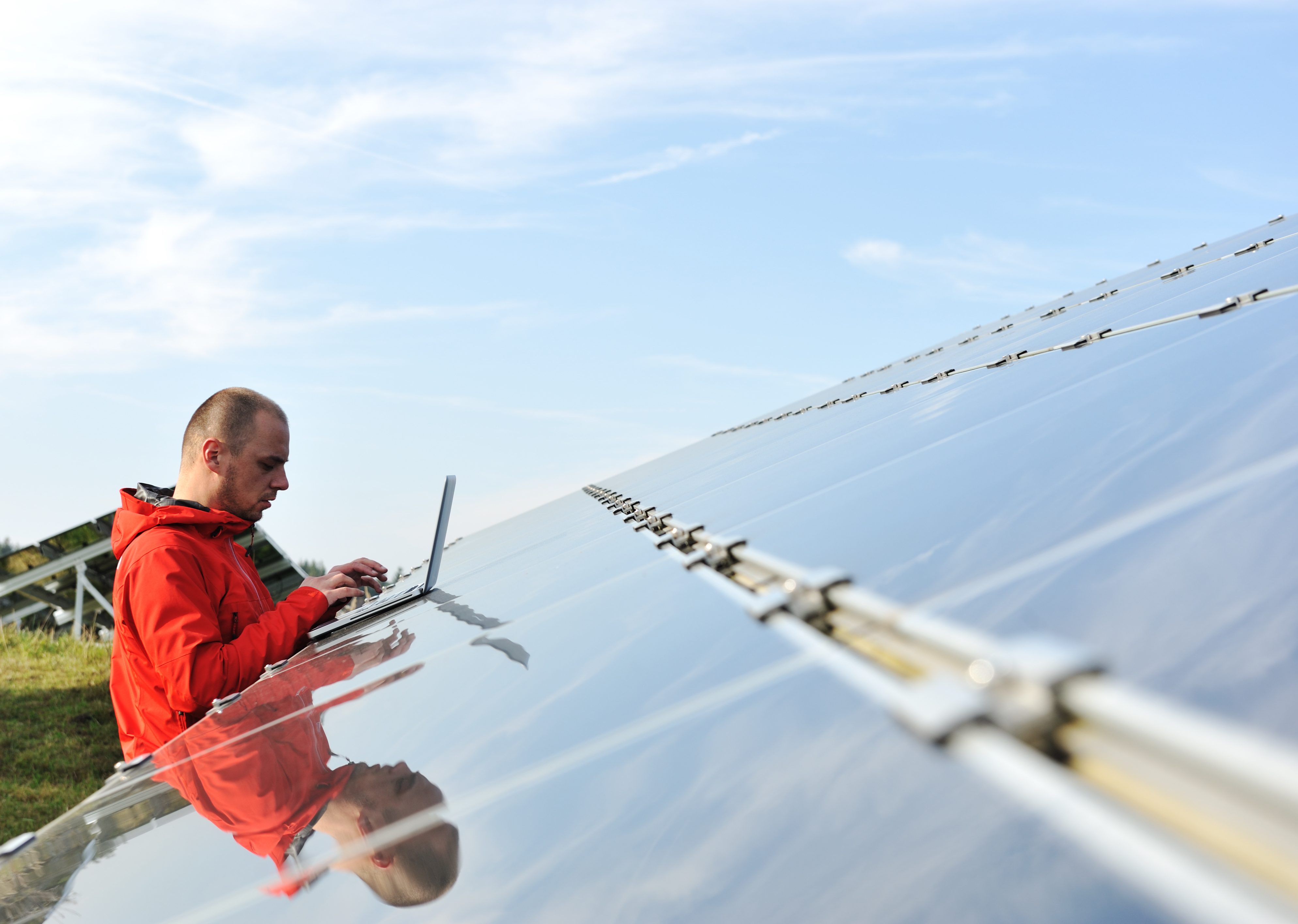
One of the most powerful features of digital inspection for solar panels is the ability to take photographs with the device camera and annotate them directly within the inspection application. This is extremely important for documenting the condition of photovoltaic panels, such as micro-cracks in the cells, discolouration indicating hotspots, or deficiencies in the DC cabling or junction boxes.
Photographic evidence attached to a specific inspection record creates an unambiguous historical record of system condition over time. When warranties are invoked, insurance claims are made, or compliance audits are conducted, this visual documentation provides irrefutable evidence of the condition at the time of inspection.
Offline Capability for Remote Solar Installations
Solar panels are often installed in remote areas where internet connectivity is limited or absent. For digital inspection tools to be practical in these environments, offline reporting is essential. Inspectors complete their checklists, capture photos, and record all findings locally on the device. When connectivity is restored, the completed inspection syncs automatically to the central management system.
Combined with asset management capabilities that track the inspection and maintenance history of individual solar installations, digital tools give solar businesses a complete picture of fleet health that supports both compliance with AS 5033 and proactive maintenance planning to extend the productive life of installed systems.
Inspect solar panels with confidence and compliance
Book a demo to see how Pervidi helps solar inspection teams conduct AS 5033 compliant inspections using mobile devices, with photo evidence, offline capability, and instant compliance documentation.
Book a demoNaaman Shibi is a VP at Pervidi Software, leading the adoption of AI-powered inspection and compliance solutions across industries including mining and construction. With more than 25 years of experience in digital transformation, Naaman has helped organisations replace paper processes with efficient mobile technology. His focus is on delivering practical innovations, from AI image integration to predictive maintenance, that empower frontline teams and improve operational outcomes.