Taking Lifting Equipment Inspection Paperless
When it comes to lifting equipment inspection, it is important not to leave your safety hanging on an outdated or overcomplicated procedure. Lifting equipment failures are among the most serious incidents in construction, mining, and industrial environments. A crane collapse, a dropped load, or a chain sling failure can be fatal, and the regulatory consequences for operators who cannot demonstrate adequate inspection programs are severe.
Paperless digital inspection tools are making lifting equipment compliance more rigorous, more traceable, and more immediately actionable for crane operators, riggers, and lifting equipment owners across Australia.
The Regulatory and Standards Framework
Lifting equipment inspection in Australia is primarily governed by the AS 2550 series of standards, which covers the safe use of cranes, hoists, and winches. The relevant parts of AS 2550 specify pre-operational inspection requirements, periodic inspection intervals, and the qualifications required to conduct formal inspections. The Work Health and Safety Regulations also impose specific requirements for the management of plant that could cause serious injury if it failed.
For organisations that operate lifting equipment as part of their business, compliance with these requirements is not optional. A digital inspection platform built around AS 2550 requirements ensures that inspection templates address every required check point and that the resulting records meet the format and completeness standards expected by regulators.
Types of Lifting Equipment Requiring Inspection
Pre-operational inspections covering structural condition, outrigger systems, load indicators, anti-two-block devices, wire ropes, hooks, and safety devices. Daily pre-start checks must be completed before each operating session. Periodic formal inspections by a competent person at defined intervals are also required.
Tower crane inspection requirements are among the most demanding in the lifting industry, covering structural elements, slew ring condition, hoisting mechanism, trolley and jib systems, limit switches, and load moment indicators. Digital inspection tools with structured checklists aligned to the relevant standard ensure that nothing is missed.
Chain hoists, lever hoists, and electric chain hoists require pre-use inspection of the chain condition, hook and latch, brake function, and load rating identification. Digital pre-use checklists that are quick to complete on a mobile device encourage consistent inspection discipline rather than ad hoc checks.
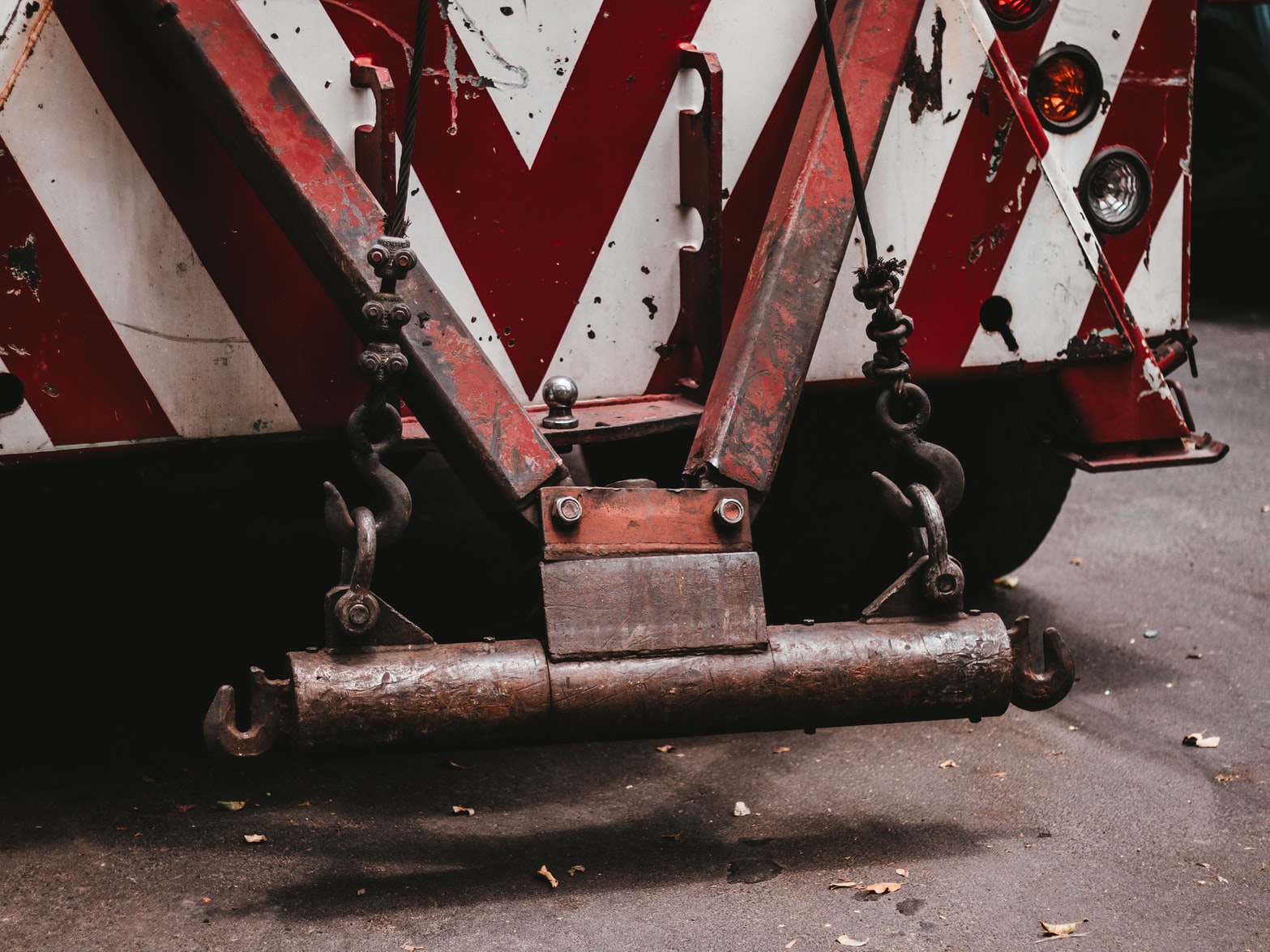
Wire rope slings, chain slings, webbing slings, shackles, eye bolts, and spreader beams all require inspection before each use and periodic formal inspection. Digital inspection with photo capture creates a condition record for each item of rigging gear that supports retirement decisions and demonstrates compliance.
"Taking lifting equipment inspection paperless eliminates the information gaps that allow inspection failures to go undetected. Every check is recorded, every fault is escalated, and every piece of lifting gear has a complete inspection history."
Colour Coding and Inspection Cycle Management
Many organisations use colour coding systems to indicate the current inspection status of rigging gear. Equipment that has passed its current period inspection carries a tag or marking in the current period colour. Digital inspection platforms can manage this colour coding cycle automatically, generating inspection due alerts as equipment approaches its next inspection date and flagging any equipment that has exceeded its inspection interval.
This automated tracking replaces manual diary systems that are prone to being overlooked, particularly in busy operational environments where lifting equipment may be used by multiple crews across multiple shifts.
Out-of-Service Management
When a lifting equipment inspection identifies a fault that renders the equipment unsafe for use, the out-of-service process must be immediate and reliable. A digital inspection platform that triggers an automatic out-of-service flag on the equipment asset record when a critical fault is identified prevents the equipment from being inadvertently returned to service before the fault is rectified.
This out-of-service workflow, connected to the asset management system and the maintenance work order process, creates a closed-loop system that ensures every identified fault is tracked through to resolution. For construction, mining, and industrial operators, connecting lifting equipment inspection to digital inspection platforms is one of the most direct investments in serious injury prevention available.
Naaman Shibi is a VP at Pervidi Software, leading the adoption of AI-powered inspection and compliance solutions across industries including mining and construction. With more than 25 years of experience in digital transformation, Naaman has helped organisations replace paper processes with efficient mobile technology. His focus is on delivering practical innovations, from AI image integration to predictive maintenance, that empower frontline teams and improve operational outcomes.
Ready to go paperless?
Discover how Pervidi's digital inspection platform can transform your organisation's compliance and efficiency.
Book a Free Demo