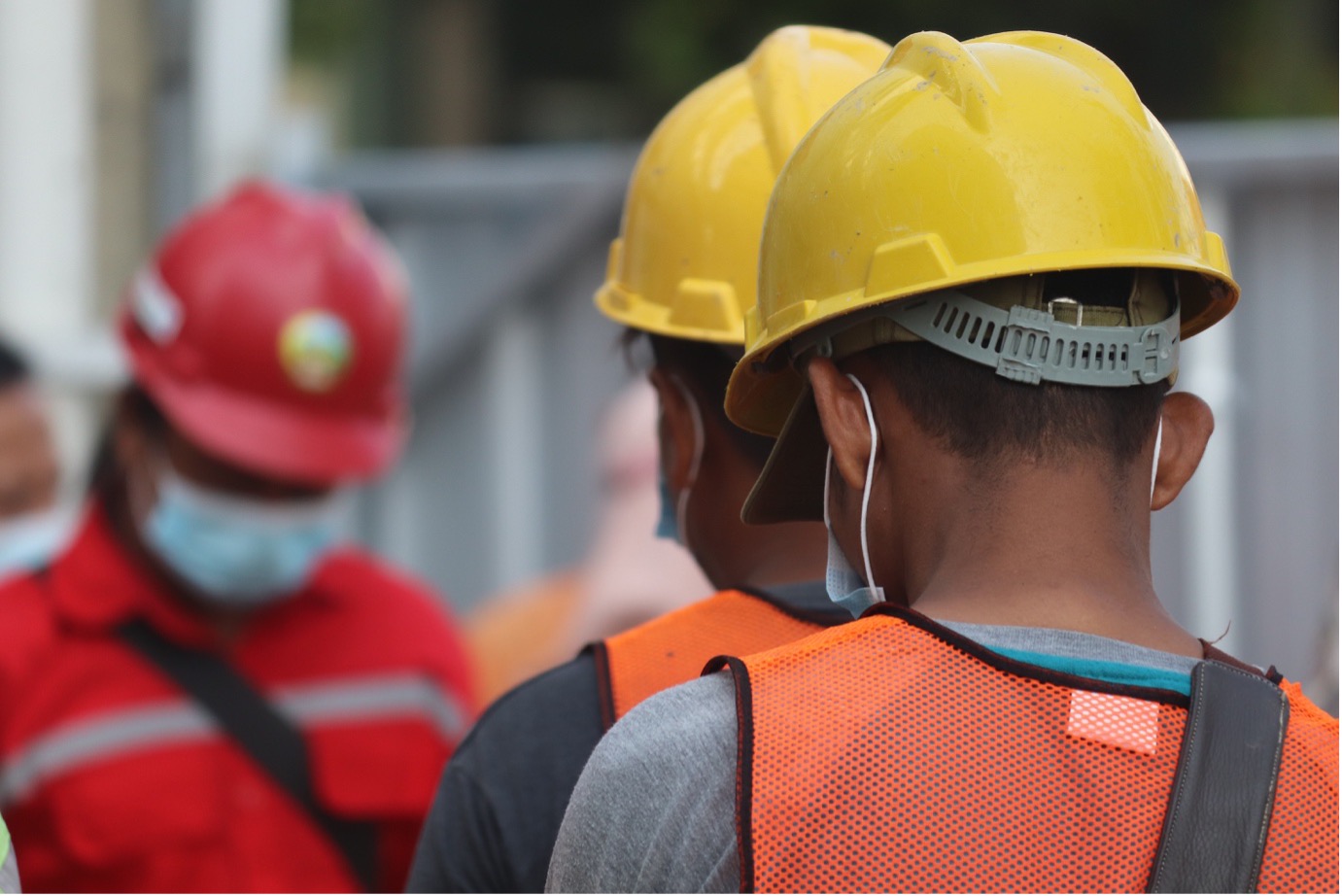
Toolbox Talks: Paper vs Digital, Which Approach Builds a Better Safety Culture?
There was a time when a toolbox talk meant gathering the crew around a ute, reading from a printed sheet, collecting signatures, and filing the paperwork away. For many organisations, that process has changed very little.
Yet the workplaces we manage today are far more complex. Teams are spread across multiple locations, contractors move between sites, compliance expectations have increased, and management wants better visibility of safety performance than ever before. In that environment, it is worth asking whether paper is still the best way to manage one of the most important safety conversations of the day.
Toolbox Talks Are About Safety Culture, Not Just Compliance
A good toolbox talk is one of the simplest and most effective ways to reinforce safe work practices. It gives supervisors the chance to discuss today's work, flag changing conditions, share lessons learned, and encourage workers to raise concerns before the job begins. The value sits in the conversation, not the attendance sheet.
Unfortunately, paper systems often reduce that conversation to a compliance exercise. Once everyone has signed the form, the document is filed away, rarely to be looked at again unless an auditor asks for it. The organisation ends up with evidence that a meeting took place, but very little understanding of what was actually discussed, or whether any issue raised in that meeting was ever addressed.
The Hidden Cost of Paper Safety Meetings
Paper forms look inexpensive, but they create administrative work that is largely invisible. Attendance records need to be filed. Supervisors spend time completing paperwork rather than engaging with their teams. Safety managers dig through folders during audits. Corrective actions are often recorded separately, if they are recorded at all.
More importantly, valuable safety information gets lost. If several supervisors identify the same hazard over a period of weeks, those conversations remain isolated from one another. There is no easy way to spot emerging trends or recurring issues across different sites, so every toolbox talk becomes another document rather than another chance to improve safety performance and support the incident investigation process when something does go wrong.
Why Switch to a Digital Toolbox Talk App?
Moving to a digital toolbox talk app is not simply about swapping paper for a tablet. It changes how safety information is captured, shared, and used across the organisation. Supervisors can pull up the latest approved toolbox talk topics on a mobile device, record attendance electronically, capture photographs, assign corrective actions, and distribute supporting documents without ever returning to the office.
For organisations working in remote locations, offline capability matters just as much. Meetings can be completed without network coverage, with digital sign-offs collected in the field. Records then sync automatically to a central portal once a connection becomes available, keeping the process simple for the supervisor while making the information available to management immediately.
Mobile Safety Technology Creates New Opportunities
Smartphones and tablets offer capabilities that simply do not exist on paper. Instead of writing brief notes at the end of a meeting, supervisors can record the discussion using voice capture, which is then automatically transcribed into a complete and searchable record of the toolbox talk. Rather than relying on handwritten summaries or individual recollections, the organisation retains the full discussion, including hazards raised, suggestions from workers, and commitments made during the meeting.
Searching previous toolbox talks becomes as simple as searching for a keyword. If someone wants to know every discussion involving heat stress, manual handling, or electrical isolation over the past six months, the information is immediately available. The technology is no longer just recording attendance. It is preserving organisational knowledge.
Transforming Toolbox Talks with AI and Safety Analytics
Perhaps the greatest advantage of digital toolbox talks is what happens after the meeting. When discussions are captured electronically, organisations begin building a valuable source of structured data. Artificial intelligence can help identify recurring hazards, common discussion topics, and emerging safety trends across hundreds or even thousands of toolbox talks. Pervidi AI can even recommend specific briefing content or highlight areas needing targeted safety training, based on broader inspection trends and digital checklists across the company.
Imagine supervisors on different sites repeatedly mentioning damaged access ladders, poor housekeeping, or fatigue during morning briefings. Individually, those conversations might seem routine. Viewed collectively, they reveal a pattern that deserves management attention. Instead of waiting for an incident investigation to expose a problem, organisations can spot trends earlier and respond before they turn into injuries.
Streamlining Audits with Automated Safety Documentation
Digital toolbox talks also give organisations greater confidence during audits and compliance reviews by building solid evidence of due diligence. Every talk is automatically time-stamped, logged, and securely stored with precise location data, supervisor identity, and the electronic signatures of every worker who took part. This creates a tamper-evident compliance record that is available immediately in the central database.
Managers gain visibility of toolbox talks across every site, crew, or shift without waiting for paperwork to arrive from the field. Supervisors spend less time on manual filing and administration, and more time engaging with their teams. Most importantly, the organisation gains a clearer picture of its safety performance through information that is accurate, current, and accessible.
The Future of Connected Safety Platforms
Technology should never replace good leadership or a meaningful safety conversation. The best toolbox talks will always depend on supervisors who know their people, understand the day's work, and encourage open discussion. Digital technology simply removes much of the administration while capturing information that was previously lost.
As organisations continue their digital transformation, toolbox talks are becoming part of integrated safety platforms alongside inspections, risk assessments, incident reporting, corrective actions, and asset management. The result is not just a paperless process. It is a connected safety ecosystem where every conversation contributes to a broader understanding of workplace risk, a very different outcome from a folder full of signed attendance sheets.
Ready to make the switch? Our step-by-step guide on how to run and record toolbox talks digitally includes a toolbox talk template, sign-off and attendance guidance, and practical tips for AI transcription.
Frequently Asked Questions
What is a digital toolbox talk app?
A digital toolbox talk app replaces paper attendance sheets with a mobile tool that lets supervisors run safety briefings, record attendance electronically, capture photos, assign corrective actions, and collect electronic sign-offs directly from a phone or tablet on site.
Do digital toolbox talks work without an internet connection?
Yes. Purpose-built toolbox talk apps are designed to work offline. Supervisors can run the briefing, collect signatures, and capture photos with no network coverage, and the record syncs automatically to the central portal once a connection becomes available.
How does AI improve toolbox talks?
When toolbox talks are captured electronically, AI can scan the resulting data across hundreds or thousands of briefings to spot recurring hazards, common discussion topics, and emerging trends. Pervidi AI can also recommend briefing content or flag areas needing targeted safety training based on broader inspection data.
How long should toolbox talk records be kept?
Retention requirements vary by jurisdiction and industry, but toolbox talk records are commonly kept for several years to support audits and incident investigations. Digital records are time-stamped, geo-tagged, and stored centrally, so they remain accessible indefinitely without the risk of loss that affects paper attendance sheets.
Naaman Shibi is a VP at Pervidi Software, leading the adoption of AI-powered inspection and compliance solutions across industries including mining and construction. With more than 25 years of experience in digital transformation, Naaman has helped organisations replace paper processes with efficient mobile technology. His focus is on delivering practical innovations, from AI image integration to predictive maintenance, that empower frontline teams and improve operational outcomes.
Ready to turn toolbox talks into safety intelligence instead of paperwork?
Paper toolbox talks slow your safety culture. See how a digital toolbox talk app cuts admin, improves compliance, and builds safety intelligence.
Book a Demo