Warehouse Safety and Digital Racking Inspection
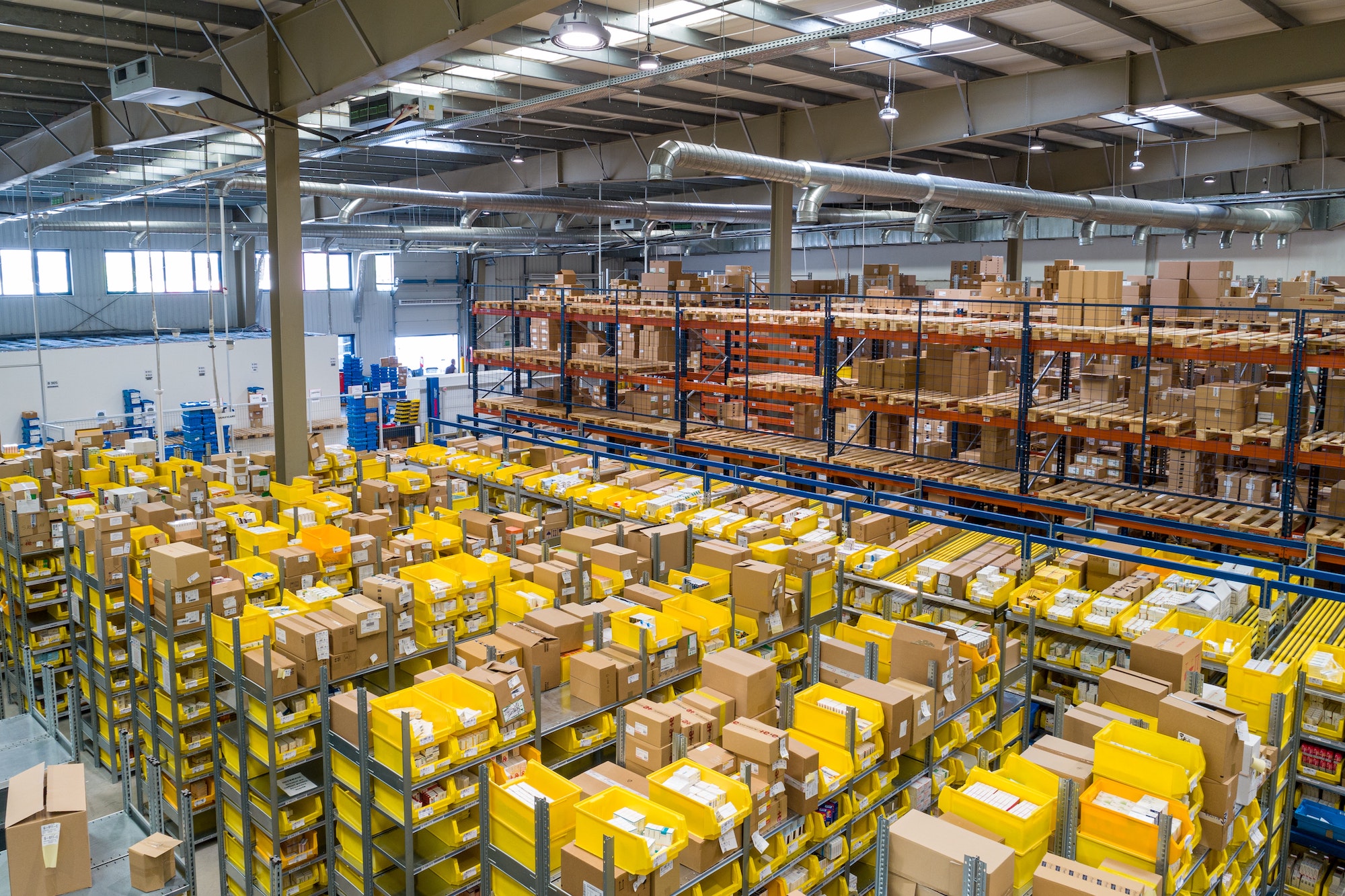
Warehouses and large storage facilities contain some of the most significant occupational hazards in any industry. Racking systems that hold tonnes of product at height, forklifts and pedestrians sharing the same aisles, improperly stored hazardous materials, and structurally compromised uprights that are missed on rushed paper-based inspections all represent real and recurring risks. Digital racking inspection addresses the root cause of many of these incidents: the inadequacy of manual, paper-based safety monitoring at the scale and frequency that modern warehousing demands.
Across warehousing, logistics, manufacturing, and retail distribution, organisations are replacing clipboards with mobile devices and structured digital checklists. The shift is not simply cosmetic. A digital inspection platform changes what inspectors can capture, how quickly findings are acted on, and what evidence is available when a safety regulator or insurer asks for proof of due diligence.
Why Racking Inspection Cannot Be Left to Informal Checks
Pallet racking is engineered to precise load tolerances. A single upright with unrepaired forklift damage can reduce the load capacity of an entire bay by 50 percent or more. The problem is that this damage is often minor in appearance. A bent base plate, a twisted connector, or a hairline crack in a weld can be invisible to an untrained eye on a casual walkthrough, but represent a genuine structural failure risk.
Regulatory frameworks in most jurisdictions require regular formal racking inspections by competent persons, with written records retained as evidence. These requirements exist because informal visual checks by forklift operators or warehouse staff do not provide the systematic coverage or documented evidence that liability management demands. When an incident occurs and a racking failure is involved, the first question from an investigator is: what did the last inspection record show?
If the answer is a page in a folder that was last updated six months ago, with illegible handwriting and no photographs, the organisation has a serious evidentiary problem regardless of whether the inspection was actually conducted. Digital inspection records with timestamps, GPS coordinates, and attached photographs tell a materially different story.
What Digital Racking Inspection Captures
A digital racking inspection checklist is configured to capture the specific condition criteria relevant to the racking system type being inspected. Common checklist items include upright condition, beam connections and pins, load notices, aisle clearances, floor anchoring, base plate integrity, and the presence of protective guards on exposed columns.
Photographic Evidence of Structural Condition
The device camera is one of the most valuable tools in a digital inspection programme. When an inspector photographs a bent upright or a damaged beam connector directly within the inspection record, that photograph is permanently linked to the specific rack bay, the inspection date, and the condition rating. A maintenance planner who sees the photograph can make a better repair prioritisation decision than one working from a written description alone.
GPS Timestamps and Location Tagging
GPS coordinates embedded in the inspection record confirm not just when the inspection was conducted, but where the inspector was standing at the time of submission. In large facilities with dozens of identical-looking racking bays, this location data helps maintenance teams return to the exact location of a finding without ambiguity. It also provides assurance that remote or rarely-accessed areas of the facility are actually being inspected, rather than skipped.
Regulatory References and Standards On-Device
National and international racking standards (such as AS 4084 in Australia or the FEM recommendations in Europe) define the classification criteria for racking damage severity. A digital inspection platform can attach these criteria directly to checklist items, so inspectors have the reference they need to classify a finding correctly at the time of inspection. This reduces variability between inspectors and produces more consistent condition ratings across inspection cycles.
When a digital racking inspection checklist is completed and all items pass within acceptable limits, that completed form automatically becomes a documented compliance record in the audit trail. It is timestamped, inspector-attributed, and linked to the specific racking system inspected. Organisations aligned with national racking standards can use this record as direct evidence of compliance at every inspection interval.
Corrective Actions and Maintenance Integration
The value of a digital inspection programme is only realised when findings are acted on. A defect recorded in a paper form that sits in a folder for two weeks while operations continue loading the damaged rack is not meaningfully safer than a defect that was never recorded. Digital corrective action workflows close this gap.
When an inspector identifies a damaged rack bay, the platform allows them to raise a corrective action directly from the field: attaching the photograph, selecting the priority level, assigning it to the relevant maintenance contact, and setting a due date. The maintenance team receives a notification immediately. If the action is not closed by the due date, the platform escalates automatically to the facility manager.
This integration with CMMS and work order management means that racking defects move directly into the maintenance workflow rather than waiting for a paper report to be transcribed, transferred, and prioritised manually. The time between identification and action is shortened. The risk that a finding is acknowledged but not acted on is significantly reduced.
Storage Conditions Beyond Structural Integrity
Warehouse safety extends beyond the structural condition of racking systems. A comprehensive digital inspection programme also captures:
- Moisture and ventilation conditions that affect the quality of stored inventory or create slip hazards
- Hazardous zone identification and compliance with segregation requirements
- Correct load placement and overhang within permitted tolerances
- Condition of floor markings, barriers, and pedestrian exclusion zones
- Functionality of emergency equipment including fire suppression systems and emergency exits
When these items are part of the same digital inspection as the racking structural check, the facility manager has a complete picture of warehouse safety in a single platform rather than multiple paper records from separate inspection programmes.
Frequently Asked Questions
How often should racking inspections be conducted?
Inspection frequency depends on the applicable national standard and the intensity of use. Most frameworks require formal inspection by a competent person at least annually, with more frequent checks in high-throughput operations or environments where forklift interaction with racking is frequent. Digital inspection platforms support any frequency by making it easy to schedule, assign, and track completion of inspection rounds across all bays and locations.
What should a digital racking inspection checklist include?
A racking inspection checklist should cover upright condition, beam connections, load notices, aisle clearances, floor anchoring, base plate integrity, column guards, and the presence and legibility of safe working load notices. The specific criteria for each item should align with the applicable national standard for racking safety, which can be attached to the checklist as a reference document for inspectors in the field.
How does a digital inspection platform support compliance with racking standards?
A digital inspection platform supports racking standard compliance by providing structured checklists aligned to standard criteria, mandatory completion enforcement that prevents submission of incomplete inspections, timestamped records with photographic evidence, and corrective action tracking that ensures findings are addressed within required timeframes. Completed inspections automatically form the audit trail that safety regulators and insurers require.
Ready to upgrade your warehouse safety inspections?
Book a 30-minute demo to see how Pervidi supports digital racking inspection with structured checklists, photographic evidence, automatic corrective action workflows, and compliance audit trails.
Book a demoNaaman Shibi is a VP at Pervidi Software, leading the adoption of AI-powered inspection and compliance solutions across industries including mining and construction. With more than 25 years of experience in digital transformation, Naaman has helped organisations replace paper processes with efficient mobile technology. His focus is on delivering practical innovations, from AI image integration to predictive maintenance, that empower frontline teams and improve operational outcomes.