Why Digital Ventilation Inspection Is Central to Workplace Safety
Ventilation systems are among the most critical pieces of infrastructure in any workplace. They transfer potentially toxic fumes, regulate temperature, filter particulates from the air, and circulate fresh air through environments where people spend the majority of their working day. Yet they are also among the most frequently overlooked when it comes to systematic inspection. Out of sight in ceiling voids, plant rooms, and rooftop installations, they often operate without scrutiny until a failure becomes impossible to ignore.
The consequences of inadequate ventilation inspection range from reduced air quality and increased health risks to structural failures, fire hazards, and significant regulatory liability. Digital inspection tools are changing how organisations approach this often-neglected area of facility management, providing a structured, documented, and standards-aligned approach to ventilation system monitoring and maintenance.
The Risks of Neglected Ventilation Systems
A ventilation system that is not regularly inspected and maintained deteriorates gradually and silently. Common problems that develop without adequate inspection programs include:
- Filter degradation: Clogged or damaged filters reduce airflow efficiency and allow particulates to pass into the occupied space, degrading air quality and potentially triggering respiratory conditions in building occupants.
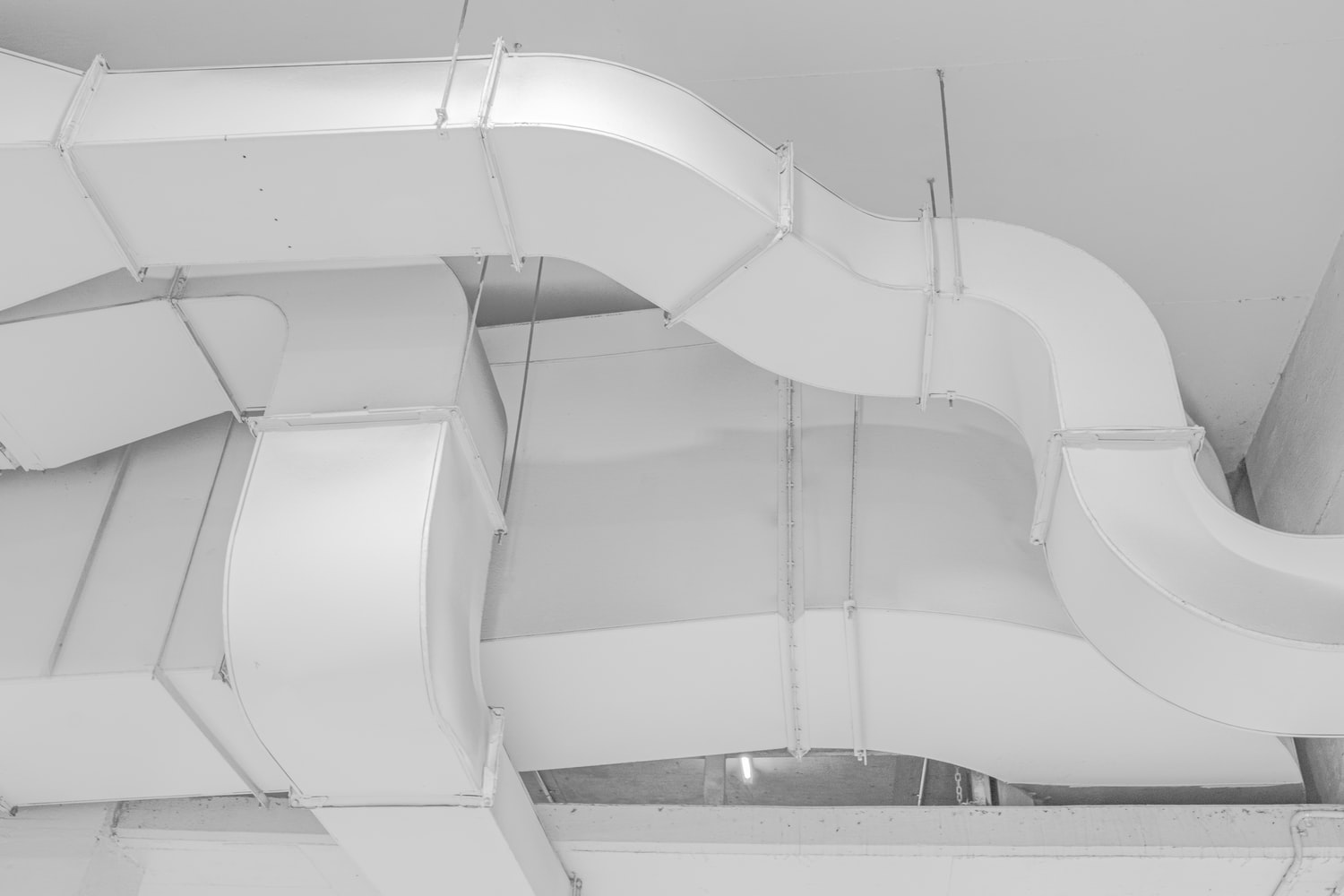
- Ductwork deterioration: Corrosion, physical damage, or poor sealing allows conditioned air to escape and contaminants to enter the air stream, reducing system effectiveness and increasing energy consumption.
- Fan and motor failure: Mechanical components that are not inspected for wear, vibration, and lubrication requirements are more likely to fail without warning, causing sudden loss of ventilation.
- Mould and microbial growth: Moisture accumulation in ductwork and air handling units creates conditions for mould growth, which can have serious health implications for building occupants.
- Fire risk: Accumulated grease and dust in kitchen exhaust systems and general ventilation create a fire hazard that is directly addressable through regular inspection and cleaning.
Each of these risks is preventable with a structured inspection program. The challenge for many facility managers is that paper-based inspection processes create gaps: incomplete records, missed inspection cycles, and no visibility into the condition of systems across multiple sites or buildings.
ISO 16890 and the Standard for Air Filtration Inspection
ISO 16890 provides the international framework for testing and classifying air filters used in general ventilation systems. The standard's classification system is based on Particulate Matter Efficiency (ePM), defining filter performance in terms of the particle sizes each filter class is designed to capture:
ISO 16890 specifies test procedures and general requirements for assessing and marking air filters. For organisations managing ventilation systems, the standard's documentation requirements are best met through a digital inspection platform that can embed the relevant filter classification criteria directly into the inspection checklist, ensuring inspectors are assessing each filter against the correct standard for its rated class and application.
What a Digital Ventilation Inspection Captures
A digital ventilation inspection program typically covers the following elements, with each entry creating a timestamped record that forms part of the facility's compliance documentation:
Air Handling Units and Filter Banks
Filter condition, loading, and replacement status are checked against the manufacturer's specifications and the applicable ISO 16890 classification. Filters approaching end-of-life trigger a corrective action automatically, with a maintenance work order raised before the filter fails. Before-and-after photos document both the condition found and the action taken.
Ductwork and Distribution Systems
Inspectors check for physical damage, joint integrity, evidence of condensation or moisture ingress, and any signs of biological growth. Annotated photographs allow specific problem areas within the ductwork to be identified clearly in the inspection record.
Fans, Motors, and Drives
Vibration levels, bearing condition, belt tension, and motor temperature are checked against baseline parameters. Deviations from acceptable ranges are flagged and linked to a maintenance response.
Controls and Safety Devices
Smoke detectors, fire dampers, pressure relief devices, and building management system connections are verified as functional. These safety devices are critical to fire and emergency response and must be confirmed operational at each inspection cycle.
Reference Material at the Point of Inspection
One of the most practical capabilities of digital inspection platforms for ventilation maintenance is the ability to attach reference material directly to inspection checklists. For ventilation systems, this means inspectors can access filter specifications, manufacturer maintenance schedules, facility-specific installation notes, and ISO 16890 guidance without leaving the inspection interface.
This is particularly important in facilities with mixed or unusual system configurations, where standard inspection criteria may not apply directly without modification. A note in the reference materials explaining a facility-specific setup ensures that inspectors new to the site understand the context for what they are inspecting and do not apply incorrect criteria to a non-standard installation.
Integrating Ventilation Inspection with Maintenance Management
The greatest operational benefit of digital ventilation inspection comes from integration with a CMMS and work order system. When an inspection identifies a filter requiring replacement, a bearing showing early wear, or a damper that is not closing fully, a maintenance work order is raised immediately, assigned to the appropriate team, and tracked through to completion.
This integration eliminates the gap between inspection findings and maintenance action. In paper-based systems, that gap can be days or weeks, during which a known deficiency continues to affect air quality or safety. In a digital system, the deficiency is on the maintenance team's task list within minutes of being identified.
For compliance reporting purposes, the linked inspection record and work order create a complete chain of evidence: deficiency identified, action taken, verified complete. This is the level of documentation that building compliance auditors, insurance assessors, and health and safety regulators increasingly expect, and it is only achievable reliably through a digital platform that connects inspection and maintenance in a single system.
Organisations that invest in structured digital ventilation inspection programs protect their people, their assets, and their compliance position. Systems that have been invisible and overlooked become managed, documented, and maintained, transforming a hidden liability into a controlled and accountable part of the facility's safety framework.
Naaman Shibi is a VP at Pervidi Software, leading the adoption of AI-powered inspection and compliance solutions across industries including mining and construction. With more than 25 years of experience in digital transformation, Naaman has helped organisations replace paper processes with efficient mobile technology. His focus is on delivering practical innovations, from AI image integration to predictive maintenance, that empower frontline teams and improve operational outcomes.
Ready to build a structured ventilation inspection program?
Pervidi helps facility managers and compliance teams create ISO-aligned ventilation inspection programs with integrated work order management and full audit trails.
Book a Demo