Winter Inspections using Paperless Applications
Every organisation that operates physical assets must reckon with seasonal change. Winter brings lower temperatures, condensation, frost, ice, and precipitation that accelerate wear, stress materials, and create hazards that are invisible or nonexistent at other times of year. The organisations that manage this risk well are not necessarily the ones with the most robust assets. They are the ones with the most thorough inspection programmes.
Paperless applications change what is possible during winter inspection rounds. Instead of handwritten notes made in gloves, clipboards that get wet, and photographs taken separately from the record, a mobile digital inspection platform consolidates every data point into a single timestamped, GPS-tagged record. The result is richer data, faster reporting, and a lifecycle history that lets you compare this winter's condition against every previous cycle.
Why Winter Inspections Require a Different Approach
Winter conditions impose specific demands on assets and the people inspecting them. Temperatures drop, materials contract, seals degrade, lubricants thicken, and surfaces that are unremarkable in mild weather become structurally compromised. Facilities must also contend with increased condensation inside cold stores and processing environments, ice formation on external structures and drainage systems, and the accelerated fatigue of materials exposed to freeze-thaw cycles.
For inspectors in the field, cold temperatures reduce dexterity, make paper forms difficult to handle, and introduce transcription errors when notes are transferred to a system back at the office. By the time a paper-based inspection record reaches a manager's desk, it may reflect conditions from days earlier and lack the photographic context needed to make an informed maintenance decision.
A paperless application removes these barriers. The inspector carries a smartphone or tablet that captures structured data, photographs, and GPS coordinates in real time. Every finding is submitted directly to the cloud while the inspector is still on site. Managers see completed inspections as they happen, not at the end of the week.
International Standards for Weathering and Cold-Climate Asset Performance
Several ISO standards directly govern the assessment of materials and assets exposed to outdoor conditions, including winter weathering scenarios. Understanding which standards apply to your assets gives your winter inspection programme a rigorous technical foundation.
ISO 2810: Paints and Varnishes
ISO 2810 governs the natural weathering of paint coatings, specifying methods for exposing coated panels to outdoor conditions and evaluating degradation over time. For facilities managers and asset owners, this standard is directly relevant to winter inspections of painted structural steel, handrails, storage tanks, and outdoor equipment. Winter photo documentation of coating condition, cross-referenced against ISO 2810 assessment criteria, provides an objective basis for recoating decisions.
ISO 4665: Rubber and Elastomers
ISO 4665 addresses the weathering of rubber and elastomeric materials under natural outdoor exposure. Seals, gaskets, hoses, vibration dampers, and flexible connections all contain rubber components that are particularly vulnerable to cold-temperature embrittlement and surface cracking. Winter inspections that include close-up photographic records of rubber components, rated against condition criteria in the checklist, enable maintenance teams to identify seals approaching failure before they cause a fluid release or equipment breakdown.
ISO 15110: Artificial Weathering and Radiation
ISO 15110 covers accelerated weathering tests using artificial light sources, providing laboratory methods to simulate outdoor exposure. While this standard applies primarily to materials testing, its condition classification framework is a useful reference for building winter inspection checklists that rate surface degradation consistently across different inspectors and inspection cycles.
GPS-tagged winter inspection records allow you to return to exactly the same location in subsequent years and compare conditions directly. A photograph of a drainage channel from August 2019 compared with August 2020 and August 2021 tells a maintenance story that no verbal description can replicate. Paperless platforms make this comparison automatic by linking records to asset identity and location.
What a Paperless Application Captures During a Winter Inspection
The advantage of a mobile inspection platform over a paper form is not just convenience. It is the richness and reliability of the data captured. During a winter inspection, a paperless application enables inspectors to record:
Visual Records via Smartphone and Tablet Camera
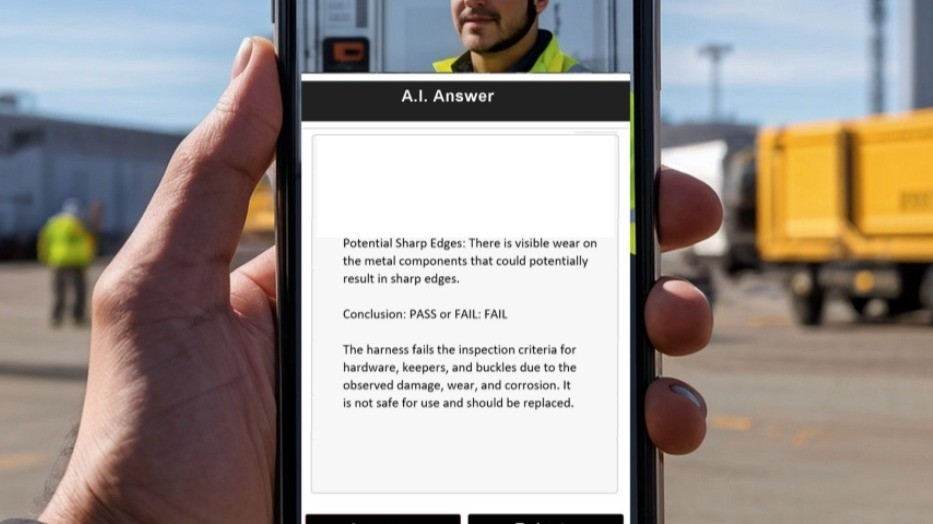
The camera on a modern smartphone captures sufficient resolution to document coating degradation, crack propagation, corrosion, ice formation, and surface contamination in detail. Attaching photographs directly to specific checklist items means the image is permanently linked to the finding, the asset, and the date. There is no ambiguity about which asset was photographed, and no possibility of the photo being filed separately from the record it supports.
Where a paper inspector might write "minor surface rust on north elevation handrail," a digital inspector captures a close-up photograph and rates the condition on a defined scale. The difference in actionability is significant: a maintenance planner who can see the photograph makes a better intervention decision than one who is reading a subjective description.
GPS Timestamps for Seasonal Comparison
Every record submitted through a paperless inspection platform carries GPS coordinates and a server-generated timestamp. This combination makes it possible to return to precisely the same inspection point in the following year and compare conditions directly. For assets subject to freeze-thaw damage, such as concrete structures, drainage systems, and outdoor storage areas, year-on-year photographic comparison is one of the most effective condition trending methods available.
The GPS timestamp also confirms that the inspection was conducted at the required location. In large facilities or across distributed sites, this provides assurance that remote inspections were not completed from an office or skipped entirely.
Structured Checklists with Mandatory Completion
Winter inspection checklists can be configured to reflect the specific degradation mechanisms that cold weather introduces. Items might include ratings for coating condition, ice accumulation on drainage outlets, seal integrity on external doors and access hatches, lubrication status on exposed mechanical components, and the condition of insulation on pipework. Mandatory completion requirements mean inspectors cannot submit the form without addressing every item, eliminating the blank rows that paper forms accumulate.
Asset Lifecycle Tracking Across Seasonal Cycles
One of the most valuable applications of a paperless platform for winter inspections is building a comprehensive lifecycle record for each asset from its first inspection through to decommissioning. This is sometimes described as cradle-to-grave asset lifecycle tracking, and it transforms the way organisations understand the long-term cost and condition trajectory of their assets.
An asset registered in the platform from the date of installation accumulates inspection records across every season. Winter inspections contribute condition ratings, photographs, and corrective actions to the same record as summer, spring, and autumn inspections. Over time, this record reveals patterns that would never be visible from individual inspection snapshots: whether a particular asset type deteriorates faster in the winter months, how quickly corrective actions translate into improved condition ratings, and how the maintenance investment in a specific asset class compares to its operational performance.
Identifying Wear and Degradation Trends
Seasonal inspection data enables maintenance teams to move from reactive to predictive maintenance planning. If winter inspection records consistently show coating failure at a specific year of service life, recoating schedules can be adjusted before failure occurs. If rubber seals on a particular equipment type show accelerated degradation in the first winter after installation, procurement specifications can be reviewed to specify a more resilient compound.
This level of analysis is only possible when inspection data is structured, searchable, and linked to asset identity. Paper records filed in folders cannot be queried. Digital records in a cloud platform can be filtered by asset type, location, condition rating, and date range to reveal patterns across hundreds or thousands of inspection events.
Corrective Actions Linked to Winter Findings
When a winter inspection identifies a defect, the paperless platform allows the inspector to raise a corrective action directly from the field. The action is assigned to a responsible person, given a priority rating, and linked to the specific finding and photograph. Managers receive notification immediately and can track progress to close-out without waiting for a paper report to arrive.
This closed-loop approach is particularly important for winter defects, where a deferred repair may worsen significantly over the remainder of the cold season. An ice-blocked drain identified in early June that is not actioned until September may have caused structural damage in the interim. Digital corrective action tracking with escalation notifications reduces the risk of findings being acknowledged but not acted on.
Offline Capability for Remote and Exposed Inspection Sites
Many winter inspection locations are remote: outdoor infrastructure, rural facilities, cold stores, and processing environments that operate in locations with limited mobile coverage. A paperless inspection platform that requires a live network connection is not fit for purpose in these settings.
Purpose-built inspection applications store checklists locally on the device, allow inspectors to complete full inspections including photographs with no network connection, and sync all records automatically when connectivity is restored. This offline-first design ensures that the quality of the inspection record is not dependent on whether there is a signal at the inspection site.
A paperless inspection platform can store relevant regulatory requirements, inspection procedures, and ISO standard references directly on the device. Inspectors in the field have access to the criteria they need to make accurate condition assessments without returning to the office to consult a printed procedure. This reduces the variability between inspectors and improves the consistency of condition ratings across seasonal cycles.
Frequently Asked Questions
Which industries benefit most from structured winter inspection programmes?
Facilities management, construction, utilities, mining, agriculture, and transport and logistics all operate significant outdoor asset portfolios that are materially affected by winter conditions. Cold-climate manufacturing facilities, outdoor storage operations, and infrastructure managers responsible for drainage, roads, and civil structures also benefit from structured seasonal inspection programmes with GPS-linked photographic records.
How does GPS tagging improve the value of seasonal inspection data?
GPS coordinates embedded in inspection records allow teams to return to exactly the same inspection point in subsequent seasons and compare conditions directly. When linked to the same asset record, photographs from multiple years create a visual timeline of condition change that is far more informative than written descriptions. This is particularly valuable for assets subject to freeze-thaw degradation, where the rate of deterioration compounds over multiple seasons.
Can paperless inspection applications work without internet connectivity on remote sites?
Yes. Purpose-built inspection platforms are designed for offline operation, storing checklists, asset data, and photographs locally on the device. Inspectors can complete a full winter inspection including photographs and condition ratings with no network connection, and all records synchronise automatically when the device comes back into coverage. This design is essential for remote facilities, underground environments, and rural sites where mobile signal is unreliable.
Ready to strengthen your seasonal inspection programme?
Book a 30-minute demo to see how Pervidi captures GPS-tagged, photographic winter inspection records, tracks asset condition across seasonal cycles, and turns field findings into closed-loop corrective actions.
Book a demoNaaman Shibi is a VP at Pervidi Software, leading the adoption of AI-powered inspection and compliance solutions across industries including mining and construction. With more than 25 years of experience in digital transformation, Naaman has helped organisations replace paper processes with efficient mobile technology. His focus is on delivering practical innovations, from AI image integration to predictive maintenance, that empower frontline teams and improve operational outcomes.