AI Doesn't Replace Inspectors. It Helps Them See What They Couldn't See Before.
Artificial intelligence is one of the most talked-about technologies in field operations today. For teams responsible for safety inspections, regulatory compliance, and heavy asset management, the real question isn't whether AI is technically impressive, it's whether it helps inspectors and operations managers make better, faster decisions on the ground.
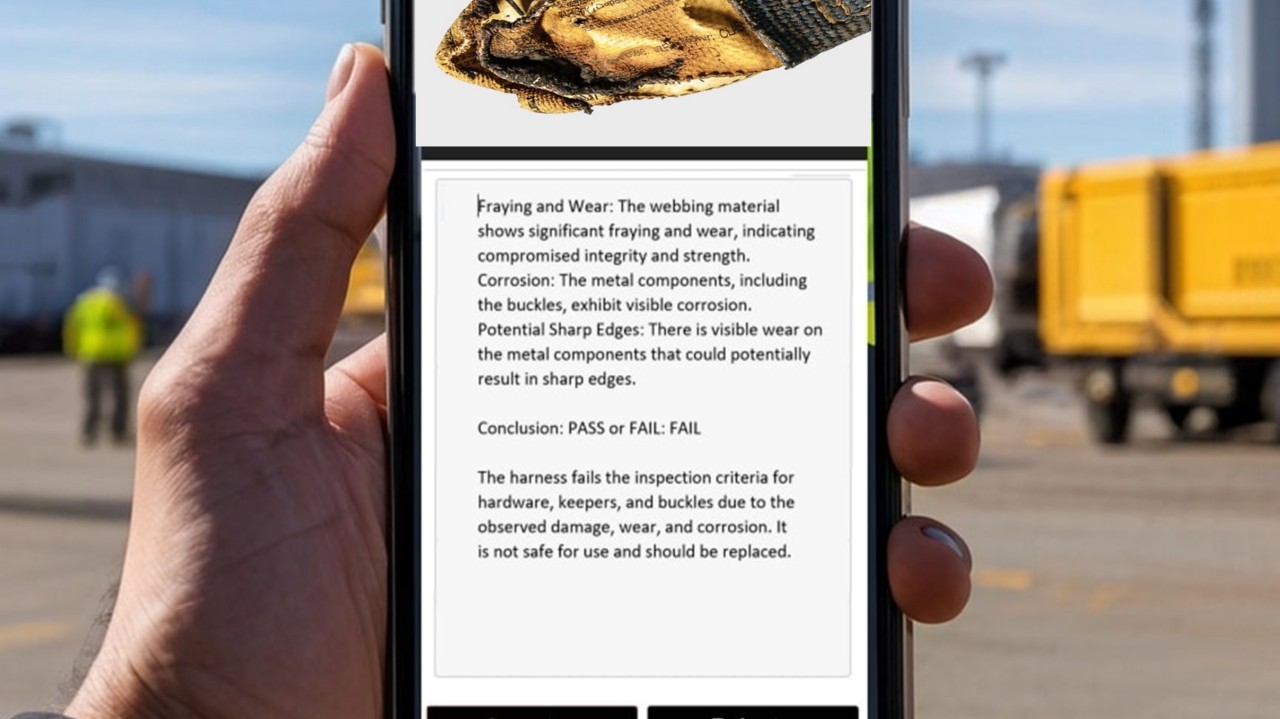
That is where the true operational opportunity lies. Not in the novelty of the technology itself, but in what it lets an experienced inspector or maintenance planner do with information that was previously too scattered to use.
Consider a fleet of 40 vehicles running pre-start checks across three regional depots. Each check is a few minutes of an operator's time, logged and archived like thousands before it. Individually, none of those checks tells you much. Together, they contain the early warning signs of a fleet-wide braking issue, a recurring supplier defect, or a depot that consistently under-reports minor faults. AI does not replace the operator doing the check. It makes the pattern hiding across those thousands of checks visible to the person who can actually act on it.
You Already Have the Data. You Just Need the Visibility.
Every inspection completed in the field captures a wealth of information: site photos, checklist pass and fail results, corrective actions, supervisor comments, maintenance history, and audio notes. Over months and years, an organisation can easily accumulate thousands of these individual records.
The primary challenge facing most businesses isn't collecting field information anymore. The real challenge is understanding what all of that scattered data is collectively trying to tell you.
Looking Beyond the Individual Inspection Report
Traditionally, inspection reports are handled one by one. An inspector identifies a worn component or a safety hazard, raises a corrective action, the maintenance crew resolves the issue, and the completed record gets archived.
That workflow manages individual events well enough. But what happens when the exact same component fails across three different job sites in the same month? What if supervisors in different regions are logging the same subtle safety hazard on similar equipment? These critical patterns often stay hidden simply because no operational manager has the time to manually cross-examine years of inspection records.

Turning Raw Field Data into Operational Intelligence
This is where applying artificial intelligence to your inspection workflow becomes genuinely valuable. Modern analytics can evaluate patterns across thousands of field checks in seconds, allowing operational leaders to ask far more practical questions:
- Which equipment models are generating the highest number of repeat defects across all facilities?
- Which specific sites regularly take longer to resolve high-priority corrective actions?
- Are particular environmental or safety hazards trending upward this quarter?
- Where should our maintenance teams focus their preventative efforts next week?
These are practical operational decisions, not abstract technology questions. Finding the answers allows teams to reduce downtime, lower workplace risk, and deploy capital far more effectively.
This is also where predictive maintenance starts to earn its name. Rather than waiting for a scheduled service interval or a failure to trigger action, analytics can flag an asset whose fault pattern now matches others that failed shortly after a similar sequence of findings. That does not mean the system makes the call to pull equipment out of service. It means the maintenance planner gets that signal early enough to schedule the work on their terms, not the asset's.
Less Paperwork Administration, More Field Action
One of the most practical benefits of incorporating AI into field software is eliminating repetitive administrative work. Voice-to-text features can transcribe field observations instantly, image recognition can automatically tag defect photos, and smart algorithms can summarise multi-page audit logs into key action points.
"AI isn't replacing human operational expertise. It is removing the administrative burden that prevents experienced people from doing their best work."
Instead of spending hours sifting through field forms or building manual reporting spreadsheets, safety officers and site managers can spend their time actually resolving issues on-site.
Technology Supports Judgment, It Doesn't Replace It
An inspection platform should never become a black box that makes automatic operational decisions on behalf of your managers. Managing physical assets, complex safety risks, and regulatory requirements will always require human judgment, local context, and clear accountability.
AI serves a supporting role. It connects scattered dots, highlights hidden anomalies, and brings relevant equipment history to light right when an inspector is standing in front of an asset. The workforce makes the call, but technology ensures they have the complete picture before doing so.
The Evolution of the Digital Inspection
The first era of inspection software was simply about replacing paper checklists with digital forms. The second era connected field teams to the office with cloud syncing. The current generation is about using the data generated by those inspections, tracked through a CMMS and work order workflow, to predict where attention is needed next.
When field inspection data becomes proactive operational intelligence, you move beyond simply recording what broke yesterday. You gain the ability to prevent what might fail tomorrow.
Getting Started Without Overhauling Everything
None of this requires ripping out an inspection program that already works. The most practical path is layering analytics on top of the checklists, forms, and corrective action workflows your team is already running. If inspections are already digital, the historical data needed to start spotting patterns already exists. The shift is in how that data gets used once it is captured, not in how it is collected in the first place.
Teams that get the most value tend to start narrow: one asset category, one region, or one recurring defect type, and expand from there once the reporting proves its worth to the people who have to act on it.
Questions worth asking your team
- How is your organisation making use of historical inspection data today?
- Are your field teams using data to spot long-term operational trends, or is your software primarily used to satisfy routine compliance requirements?
Pervidi AI brings comparison reporting, photo recommendations, and predictive maintenance insights into the same platform your field teams already use for inspections, CMMS, and safety. Explore Pervidi AI or book a demo to see it in action.
Naaman Shibi is a VP at Pervidi Software, leading the adoption of AI-powered inspection and compliance solutions across industries including mining and construction. With more than 25 years of experience in digital transformation, Naaman has helped organisations replace paper processes with efficient mobile technology. His focus is on delivering practical innovations, from AI image integration to predictive maintenance, that empower frontline teams and improve operational outcomes.
Ready to turn inspection data into intelligence?
See how Pervidi AI surfaces patterns across your inspection history so your team can act before something breaks.
Book a demo