Paperless Agriculture Inspection amongst Modern Times
New farming tools and machinery require up-to-date documentation, certification, and regular agriculture inspection. As Australian agriculture modernises, the compliance obligations facing farmers, agronomists, and agribusiness operators have grown correspondingly. Chemical handling, machinery safety, food safety traceability, and environmental management all demand structured, documented inspection processes.
For many farming operations, these obligations are still managed with paper forms, handwritten records, and manual filing systems that are difficult to maintain, easy to lose, and nearly impossible to audit at scale. Paperless inspection tools offer a better path.
The Compliance Landscape for Australian Agriculture
Australian agriculture operates within a dense regulatory environment. The Agricultural and Veterinary Chemicals Code Act 1994, the National Standard for Organic and Biodynamic Produce, state-based food safety legislation, and the Safe Work Australia model codes all impose inspection and documentation requirements on farming operations of various kinds.
For export-oriented producers, the requirements are more stringent still. Market access to key trading partners depends on demonstrating traceability from paddock to port, which requires documented inspection at every step of the production and handling chain. A digital inspection platform makes this kind of end-to-end traceability achievable without a significant administrative burden.
Key Areas for Agriculture Inspection
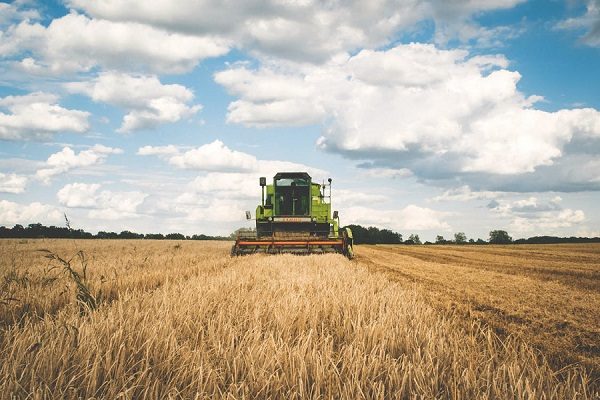
Tractors, harvesters, sprayers, and other powered equipment require regular pre-start checks and periodic safety inspections. Digital checklists ensure every check is completed consistently and that faults are escalated promptly.
Agricultural chemicals must be stored in compliant facilities with appropriate labelling, containment, and access controls. Regular inspection of chemical stores is a requirement under state legislation in most jurisdictions.
Irrigation infrastructure requires regular maintenance inspection to prevent leaks, blockages, and pressure failures that waste water and damage crops. Structured inspection schedules help identify deterioration before it becomes costly.
Post-harvest handling facilities, cool stores, and packing sheds require food safety inspections aligned with HACCP principles and the relevant Safe Food Production QLD or equivalent state standards.
Why Paperless Works for Remote Farm Operations
One of the practical challenges of agriculture inspection is that it happens in the field, often far from an office and sometimes without reliable mobile coverage. A well-designed paperless inspection platform handles this through offline capability: inspectors complete their checklists on a mobile device with or without connectivity, and the data syncs automatically when a signal is available.
GPS tagging adds a further dimension of traceability, recording exactly where in a property an inspection was conducted. For large grazing properties or broadacre cropping operations, this spatial context is valuable both operationally and for compliance purposes.
"Paperless inspection tools give Australian farming operations the traceability and documentation they need to meet modern compliance standards without burying their teams in paperwork."
Supporting Certification and Audit Readiness
For operations seeking organic certification, GlobalG.A.P. accreditation, or SQF certification, the inspection record is the primary evidence base for the certification body. Digital inspection records that are automatically timestamped, linked to the relevant property or asset, and stored securely in the cloud provide a far stronger evidence base than handwritten paper records that may be incomplete or undated.
When an auditor arrives, a digital platform allows the operation to pull up any inspection record instantly, filter by date range, location, or finding type, and export a formatted report within minutes. This dramatically reduces the administrative burden of audit preparation and demonstrates a level of process maturity that paper-based systems cannot match.
Connecting inspection data with asset management records also gives farm managers a complete maintenance history for every piece of equipment, supporting both compliance and capital planning decisions for agribusiness operations of any scale.
Naaman Shibi is a VP at Pervidi Software, leading the adoption of AI-powered inspection and compliance solutions across industries including mining and construction. With more than 25 years of experience in digital transformation, Naaman has helped organisations replace paper processes with efficient mobile technology. His focus is on delivering practical innovations, from AI image integration to predictive maintenance, that empower frontline teams and improve operational outcomes.
Ready to go paperless?
Discover how Pervidi's digital inspection platform can transform your organisation's compliance and efficiency.
Book a Free Demo