Paperless Environmental and Ecogeneration Inspection
Paperless environmental and ecogeneration inspection is one of the ways businesses are using technology to ensure their compliance and quality obligations are met efficiently and transparently. As environmental regulation tightens across Australia and sustainability reporting becomes a mainstream business expectation, the quality of a company's environmental inspection records has become a critical indicator of organisational maturity.
From water quality monitoring and stormwater management to renewable energy generation and waste handling, the scope of environmental inspection is broad and the consequences of non-compliance can be severe.
The Environmental Compliance Challenge
Environmental compliance obligations are imposed at federal, state, and local government levels, with different frameworks applying to different industries and activities. The Environment Protection and Biodiversity Conservation Act 1999, state environment protection authority regulations, and site-specific environmental management plans all impose inspection and reporting requirements that must be documented and retained.
For ecogeneration operations such as solar farms, wind farms, biogas facilities, and hydroelectric plants, there are additional inspection requirements relating to wildlife impact, noise, visual amenity, and grid connection compliance. Managing all of these inspection streams with paper-based systems is increasingly unworkable as the compliance burden grows.
Key Environmental Inspection Areas
Industrial sites with stormwater management plans must regularly inspect drainage infrastructure, sediment controls, and discharge points. Digital inspection with photo capture creates a verifiable record of control condition at each inspection.
Waste storage areas, chemical containment systems, and spill response equipment must be inspected regularly. A digital checklist ensures that every required check is completed and any deficiency is escalated immediately.
Development sites and operating facilities with vegetation management obligations require periodic inspection of cleared areas, weed control, revegetation progress, and fauna habitat. GPS-tagged digital records provide the spatial context that paper forms cannot.
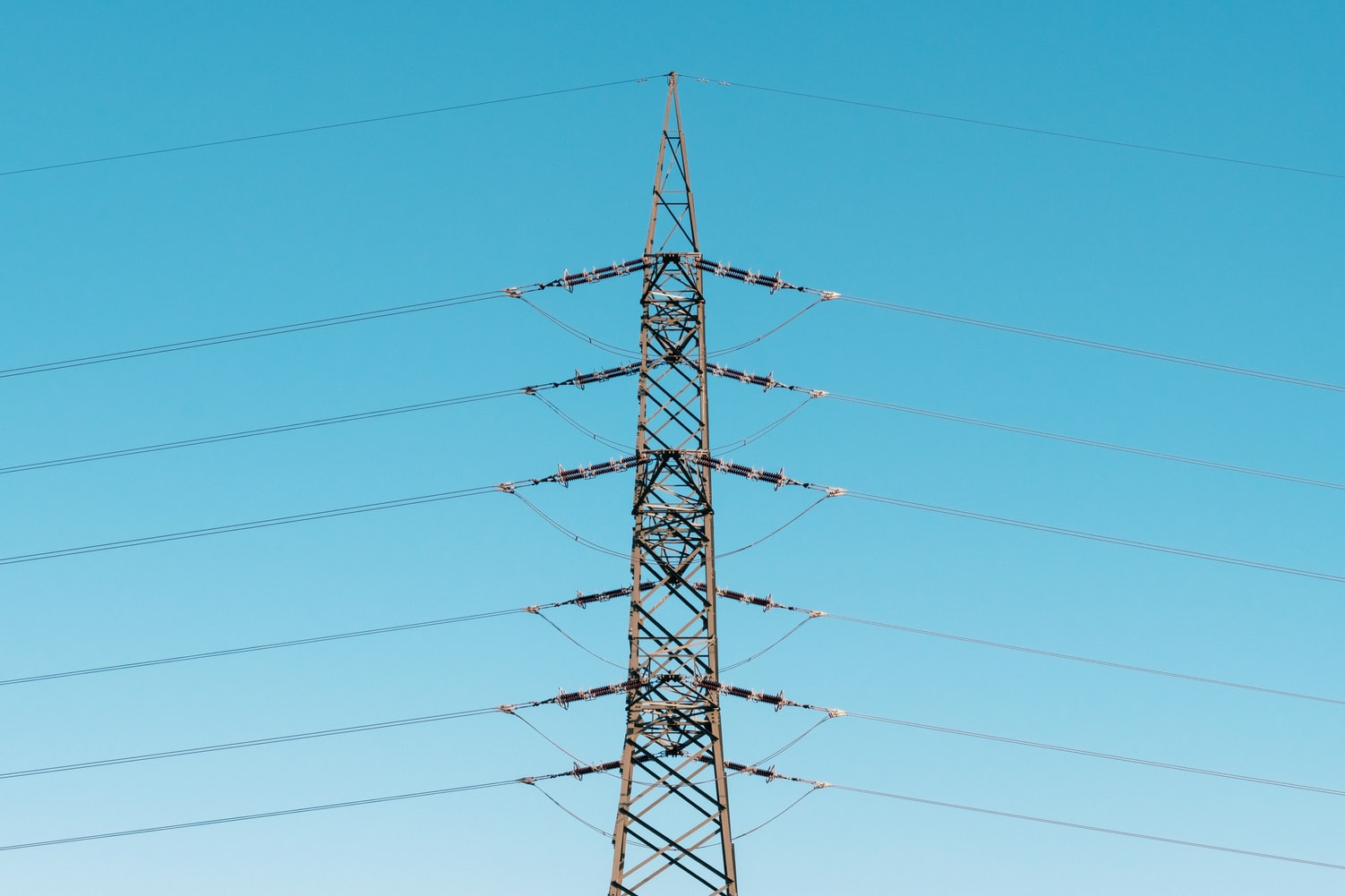
Solar panels, wind turbines, biogas digesters, and associated infrastructure require structured inspection programs to identify faults, ensure performance, and maintain regulatory compliance.
Why Digital Inspection Supports Environmental Reporting
Environmental regulators increasingly expect organisations to produce evidence-based compliance reports rather than self-declarations. A digital inspection platform generates the underlying evidence automatically with each completed inspection: timestamped records, photographic attachments, GPS coordinates, and inspector identity are all captured without additional effort.
When a regulator requests inspection records for a specific date range or location, a digital system can produce them in minutes. The same data that powers internal dashboards can be exported in formatted reports suitable for submission to an environment protection authority or inclusion in a sustainability report.
"Digital environmental inspection records give organisations the evidence base they need to demonstrate compliance, respond to regulatory requests, and report on sustainability performance with confidence."
Offline Inspection for Remote Environmental Sites
Many environmental monitoring sites, including remote water catchments, mine rehabilitation areas, and rural ecogeneration facilities, are located in areas without reliable mobile coverage. A robust offline inspection capability ensures that inspectors can complete their checklists in the field and sync data automatically when they return to coverage. This is essential for maintaining inspection frequency without sacrificing data quality.
For organisations managing digital inspection programs across multiple environmental sites, a centralised platform also enables management to verify that all scheduled inspections are being completed on time, without having to follow up individually with each site team. Connecting environmental data with asset management systems provides a complete picture of infrastructure condition alongside compliance status for industrial and energy operators.
Naaman Shibi is a VP at Pervidi Software, leading the adoption of AI-powered inspection and compliance solutions across industries including mining and construction. With more than 25 years of experience in digital transformation, Naaman has helped organisations replace paper processes with efficient mobile technology. His focus is on delivering practical innovations, from AI image integration to predictive maintenance, that empower frontline teams and improve operational outcomes.
Ready to go paperless?
Discover how Pervidi's digital inspection platform can transform your organisation's compliance and efficiency.
Book a Free Demo