Smarter Tech Requires Smart Inspection
Organisations struggling with adapting to the changes in society are turning to smart inspection to keep themselves up to date. The pace of technological change across industry has created a corresponding challenge for inspection and compliance programs. Equipment and systems that were not in common use a decade ago are now central to many operations, and the inspection methods used to verify their safety and performance must evolve in parallel.
Smart inspection means applying structured, digital, and data-driven inspection approaches to the full range of technology that modern organisations depend on, from autonomous vehicles and robotic systems to IoT-connected infrastructure and AI-driven process controls.
The Technology Gap in Inspection Practice
Many organisations have sophisticated technology in their operations but continue to inspect it with approaches designed for a simpler era. A robotic welding cell that incorporates machine learning for weld quality optimisation may still be inspected using a paper checklist designed for a conventional welder. An autonomous guided vehicle (AGV) system may be pre-start checked using the same form as a manually operated forklift.
This mismatch between the sophistication of the technology and the inspection approach used to verify it creates compliance gaps. The relevant standards and regulations have not yet fully caught up with the pace of technological change, but organisations that wait for regulatory direction before adapting their inspection practice are accepting unnecessary risk.
What Smart Inspection Looks Like
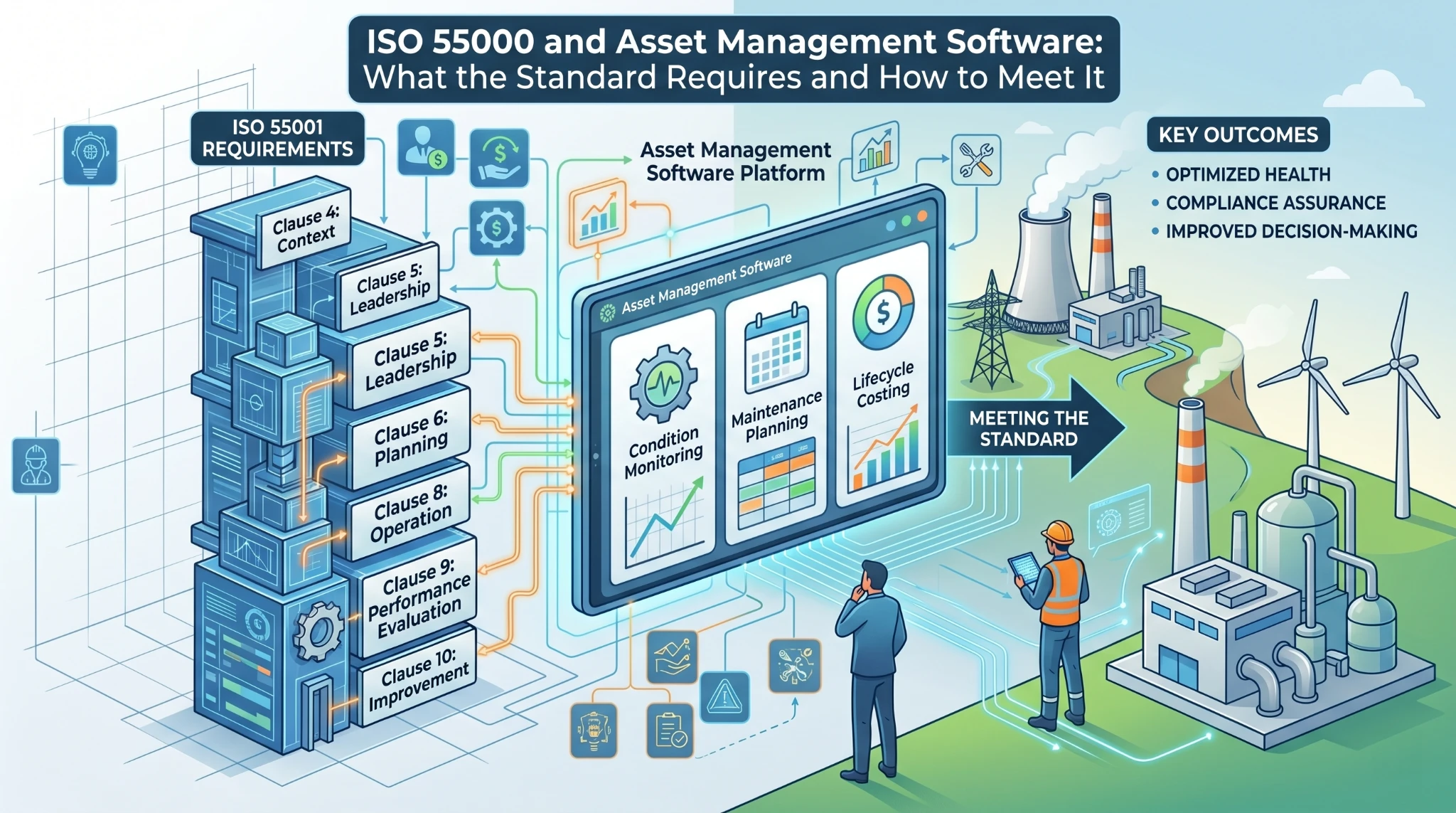
Sensors embedded in equipment provide continuous data on temperature, vibration, pressure, and other condition indicators. Smart inspection integrates this sensor data with periodic manual inspection, using the continuous data to flag when a manual inspection is needed based on actual condition rather than a fixed schedule.
A digital twin is a virtual model of a physical asset or system. Smart inspection can link inspection findings to the digital twin, updating the model with as-found condition data and enabling simulation of how identified faults will affect system performance if left unaddressed.
Machine learning models trained on inspection image data can identify defects in photographs that human inspectors might miss, or can flag photographs that show potentially anomalous conditions for expert review. AI assistance augments rather than replaces the human inspector.
Smart inspection platforms that integrate with equipment data systems can automatically schedule inspections based on usage cycles, condition thresholds, or predictive maintenance models, replacing fixed calendar-based schedules with dynamic, needs-based inspection planning.
"Smart inspection is not a single technology but a philosophy: applying the most appropriate combination of digital, sensor, and analytical tools to verify that technology is performing safely and as designed."
Keeping Compliance Current with Technology Change
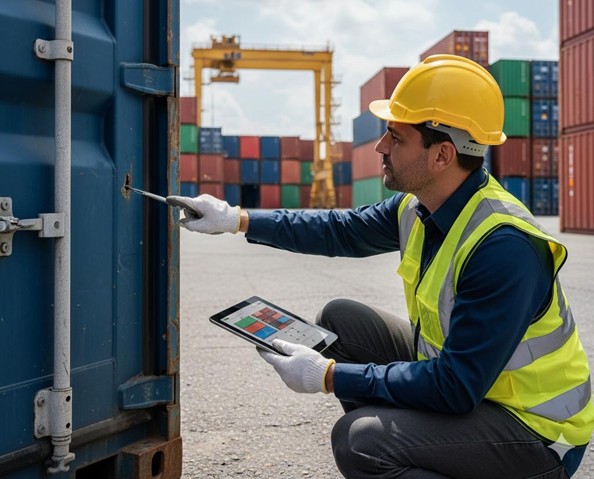
When an organisation introduces new technology, the inspection program must be updated to address the new risks and compliance requirements that come with it. A digital inspection platform that allows inspection templates to be updated quickly and deployed across the inspection team immediately is better suited to keeping pace with technology change than a paper-based system that requires physical reprinting and redistribution of new forms.
As technology continues to evolve, the organisations best positioned to manage the compliance implications are those that have already made the transition to structured digital inspection. Their digital inspection platform provides the data infrastructure and process agility to adapt as technology changes, connected to asset management systems that maintain a complete technology and compliance record for technology-driven manufacturing and industrial operations.
Naaman Shibi is a VP at Pervidi Software, leading the adoption of AI-powered inspection and compliance solutions across industries including mining and construction. With more than 25 years of experience in digital transformation, Naaman has helped organisations replace paper processes with efficient mobile technology. His focus is on delivering practical innovations, from AI image integration to predictive maintenance, that empower frontline teams and improve operational outcomes.
Ready to go paperless?
Discover how Pervidi's digital inspection platform can transform your organisation's compliance and efficiency.
Book a Free Demo