Staying Agile and Inspecting for Health and Safety at Work
Across all industries and sectors it is key to be adaptable: staying agile and inspecting for health and safety at work is not just a management philosophy but a practical capability that organisations must develop and maintain. The operating environment for most businesses is constantly changing. New regulations, new equipment, new work processes, new sites, and new workforce configurations all create new safety inspection requirements that must be identified and addressed quickly.
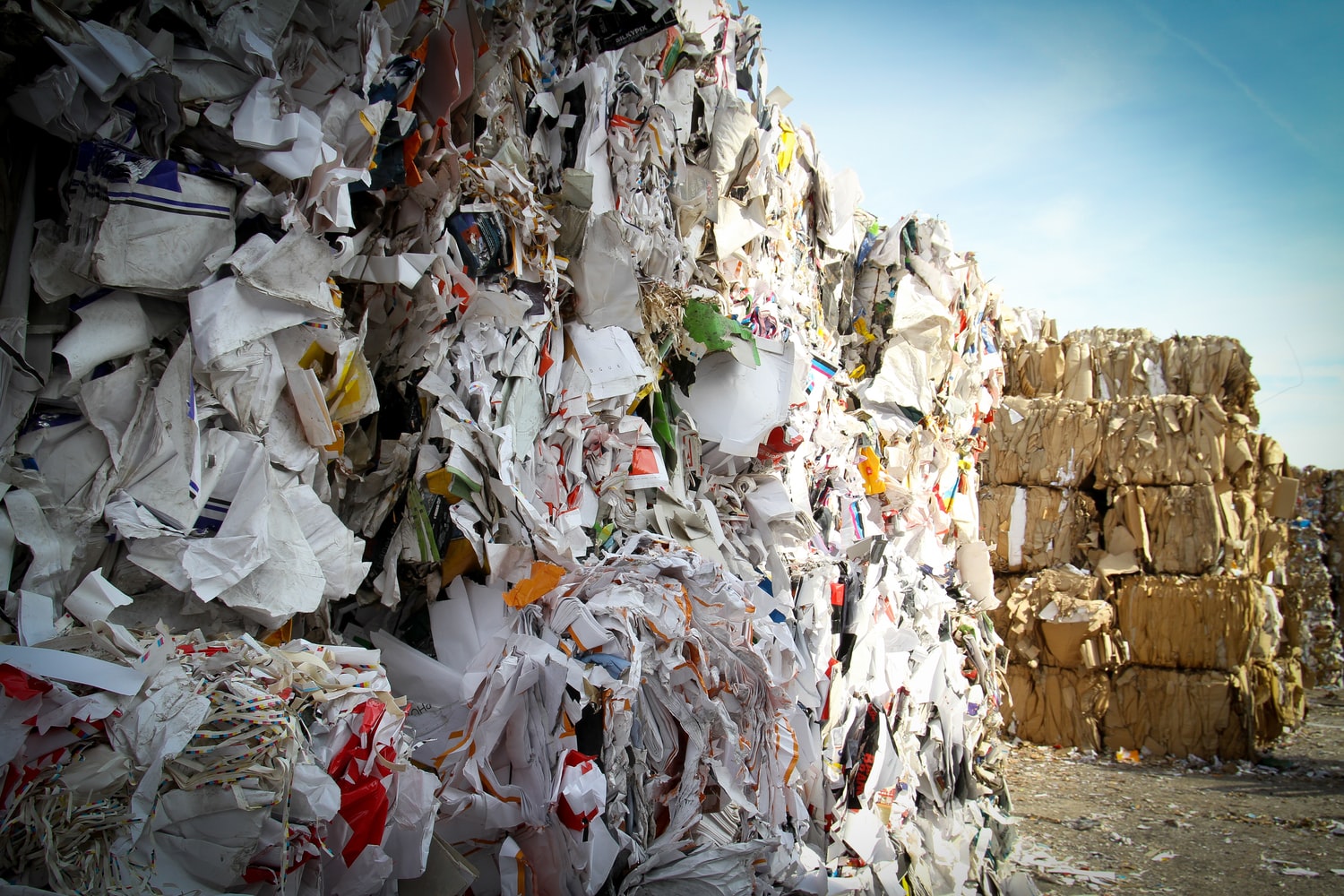
Organisations that rely on paper-based inspection systems struggle to keep pace with this rate of change. A new inspection requirement means designing a new paper form, printing it, distributing it, and training inspectors to use it. Digital inspection platforms compress this process from weeks to hours.
What Agility Means in Safety Inspection
Agility in safety inspection means the ability to modify inspection content, scheduling, and workflows quickly in response to changing conditions, without losing the compliance discipline that makes inspection valuable. This requires an inspection system that is:
- Configurable without specialist technical knowledge, so that safety managers can update templates directly
- Deployable instantly to field teams, so that updated requirements are in use from the next inspection
- Auditable by design, so that changes to inspection templates are recorded and the history of what was inspected at any point in time is preserved
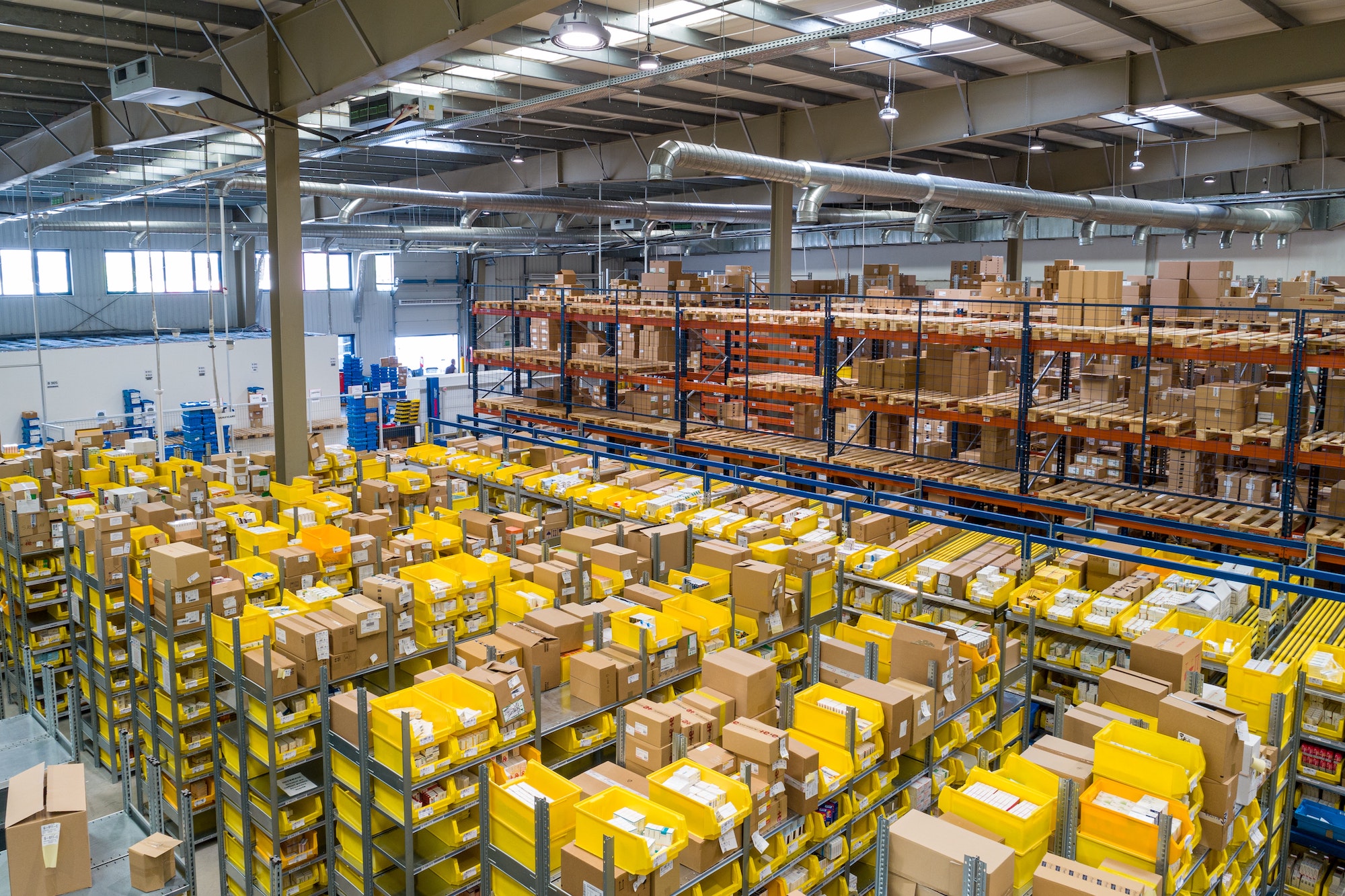
- Scalable, so that adding new sites, assets, or inspection types does not require proportional increases in administrative effort
Paper-based systems meet none of these requirements. A well-designed digital inspection platform meets all of them.
Common Triggers for Inspection Program Changes
New or amended WHS regulations, updated Australian Standards, or changes to licensing conditions can require immediate updates to inspection programs. A digital platform allows the relevant inspection templates to be updated and redeployed within hours of a regulatory change taking effect.
Following a safety incident, investigation findings often identify gaps in existing inspection practices that must be addressed. Digital inspection platforms allow new inspection items or increased inspection frequencies to be implemented immediately as corrective actions, rather than waiting for paper forms to be redesigned and reprinted.
When new equipment or work processes are introduced, new inspection requirements come with them. A digital platform allows inspection templates for new equipment to be built before the equipment arrives on site, ensuring that inspection compliance starts from day one of operation.
When an organisation opens a new site or takes on additional contract work, the inspection program must expand to cover the new scope. Digital platforms allow existing templates to be replicated and adapted for new locations quickly, without rebuilding the program from scratch.
"The most resilient safety inspection programs are those built on digital platforms that can adapt to change without losing the compliance discipline that makes inspection valuable."
Maintaining Inspection Quality Through Change
The risk with rapid change is that inspection quality suffers in the transition. Paper-based systems that are updated quickly often produce inconsistent results because different inspectors are using different versions of the form, or because the new form has not been adequately communicated to the field. Digital platforms eliminate this risk by ensuring that every inspector is using the current version of every template, with no version control issues or distribution delays.
Real-time completion tracking means that managers can see immediately whether new inspection requirements are being met, and can intervene quickly if any team or site is falling behind.
Building a Culture of Agile Safety
Ultimately, staying agile in safety inspection is as much about culture as it is about tools. Organisations where safety leaders actively monitor inspection data, respond quickly to emerging hazard trends, and communicate the rationale for inspection changes to their workforce build inspection programs that are genuinely effective rather than merely compliant.
Digital inspection platforms support this culture by making data visible, making change easy, and making accountability clear. Connected to CMMS and work order systems and asset management, they give safety leaders the information infrastructure they need to lead proactive, agile safety programs across all industrial and commercial operations.
Naaman Shibi is a VP at Pervidi Software, leading the adoption of AI-powered inspection and compliance solutions across industries including mining and construction. With more than 25 years of experience in digital transformation, Naaman has helped organisations replace paper processes with efficient mobile technology. His focus is on delivering practical innovations, from AI image integration to predictive maintenance, that empower frontline teams and improve operational outcomes.
Ready to go paperless?
Discover how Pervidi's digital inspection platform can transform your organisation's compliance and efficiency.
Book a Free Demo