Wind Farm Inspection Made Easy with Paperless Inspection Solutions
Wind farm inspection is a crucial part of maintaining any wind energy installation. Turbines need regular checks for safety, performance, and compliance with national and international standards. Whether onshore or offshore, wind turbines are powerful, high-value structures operating in demanding environmental conditions, and they deserve inspection processes that are as rigorous and forward-looking as the technology itself.
The energy sector is under increasing pressure to maximise turbine availability, minimise unplanned downtime, and demonstrate compliance to energy regulators and grid operators. Paper-based inspection checklists cannot meet these demands reliably. Paperless inspection software running on mobile devices is now the tool of choice for wind farm operators seeking faster, more accurate, and fully auditable inspection workflows.
Why Wind Turbine Inspection Is Uniquely Demanding
Wind turbines are among the most mechanically complex assets in the energy sector. A single onshore turbine may stand 80 to 120 metres tall, with rotor blades spanning over 60 metres. Offshore turbines are larger still, and are exposed to salt spray, high humidity, and extreme wind loading that accelerates component degradation. Each turbine is a collection of interdependent systems: the rotor and blades, the drivetrain, the generator, the transformer, the control systems, the tower and foundation, and the yaw and pitch mechanisms. A failure in any one of these systems can take the turbine offline for days or weeks.
The inspection scope for a typical wind turbine covers:
- Rotor blades: surface erosion, cracks, delamination, lightning strike damage, leading edge degradation, and blade pitch mechanism condition
- Drivetrain: gearbox oil levels and contamination, bearing temperatures, vibration signatures, coupling condition, and lubrication system integrity
- Generator: winding insulation, cooling system, brush wear (for doubly-fed induction generators), and electrical connection integrity
- Tower and foundation: structural cracks, corrosion, bolt torque on flange connections, internal ladder and platform condition, and foundation settlement indicators
- Transformer and switchgear: insulation resistance, oil levels, cooling fans, and protection relay testing
- Control and safety systems: SCADA connectivity, anemometer calibration, vibration cut-out function, emergency stop operation, and fire suppression system readiness
- Nacelle and yaw system: nacelle enclosure integrity, yaw brake wear, yaw motor condition, and nacelle ventilation
Managing this inspection scope across a wind farm of 20, 50, or 100 turbines on paper is both impractical and unreliable. Digital inspection platforms make it manageable.
How Paperless Inspection Works for Wind Farms
Mobile Devices at the Point of Inspection
Wind farm inspectors carry a ruggedised smartphone or tablet onto the turbine. The digital inspection app presents the checklist for that turbine and that inspection type, whether a routine periodic inspection, a post-storm structural check, a blade erosion survey, or an annual compliance audit. Every check item is completed on the device, at the asset, rather than recalled from memory later at a desktop. GPS coordinates and timestamps are recorded automatically with each submission, providing irrefutable evidence of where and when the inspection was conducted.
Photo Evidence for Visual Defects
Many of the most critical wind turbine defects are visual: blade surface erosion, surface cracks in tower welds, corrosion on foundation bolts, oil seepage from gearbox seals. The device camera captures these defects at the point of inspection and attaches the photograph directly to the relevant checklist item. The image is timestamped and linked to the specific asset and inspection record. Over time, this photographic record provides a visual history of the asset's condition, making it possible to track the rate of deterioration, calculate remaining service life, and justify maintenance expenditure to asset owners and insurers.
Asset Lifecycle Tracking from Commissioning to Decommissioning
A wind turbine is a long-lived asset, typically designed for a 20 to 25 year operational life. Managing that lifecycle on paper results in fragmented records spread across filing cabinets, spreadsheets, and the memories of individuals who may have since left the organisation. A digital asset management platform maintains a single cradle-to-grave record for every turbine and every major component within it. Every inspection, every defect, every maintenance event, and every component replacement is filed against the turbine's digital record. This audit trail dramatically simplifies compliance reporting, warranty management, and end-of-life planning.
Corrective Actions and Defect Management
When an inspector identifies a defect during a wind turbine inspection, the response must be fast and systematic. A crack in a blade or an overheating gearbox bearing is not an issue that can wait for the next scheduled maintenance visit. Paper-based processes create delays at every stage: the finding must be transcribed from the form, communicated to the maintenance team, prioritised against other work, and eventually scheduled for repair. Each step introduces lag and the risk of the finding being lost or deprioritised.
Paperless inspection software eliminates these delays through automated corrective action workflows. When a critical finding is recorded, the system can:
- Immediately alert the maintenance supervisor and site manager via push notification
- Suggest pre-configured corrective actions appropriate to the defect type, ensuring the inspector takes the best immediate next step
- Automatically generate a work order in the CMMS, with the defect details, photographs, and asset record pre-populated
- Flag the turbine's status so that operations teams are aware of the outstanding defect before the next scheduled generation period
- Track the corrective action through to completion, recording who resolved the issue, when, and what remediation was performed
For a wind farm operator, this closed-loop defect management process is essential. Unplanned turbine downtime is expensive, not only in lost generation revenue but in the mobilisation costs of bringing specialist technicians and equipment to the site. Early detection and rapid response, enabled by digital inspection workflows, keeps turbines generating and keeps repair costs manageable.
Each turbine in the platform carries its own inspection schedule, aligned to manufacturer requirements, insurance obligations, and regulatory inspection intervals. When an inspection falls due, the responsible technician receives an automated reminder. Overdue inspections trigger escalation alerts to the site manager. Fleet-wide compliance status is visible in real time, so operations management can see at a glance which turbines are current, which are due, and which are overdue, across every site in the portfolio.
Offshore Wind: Additional Inspection Challenges
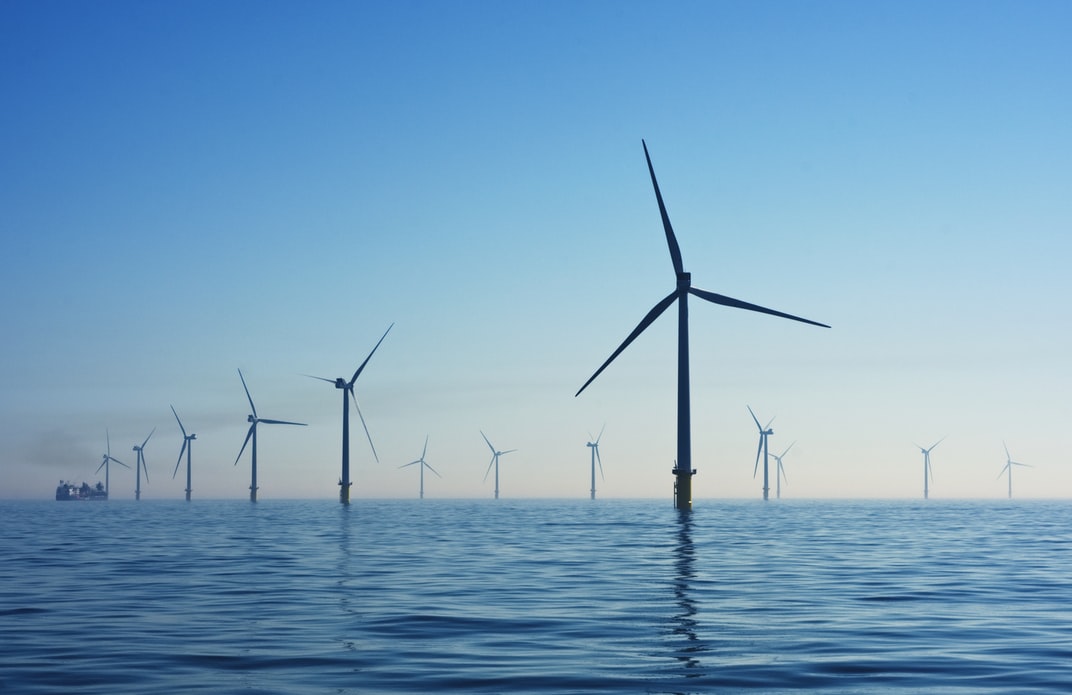
Offshore wind installations present inspection challenges that paper systems are entirely unable to address. Technicians access offshore turbines by vessel or helicopter, in weather windows that may be brief and infrequent. Every hour on the turbine is expensive, and the ability to complete an inspection efficiently and completely on the first visit is critical. Returning because a form was incomplete or a finding was not properly recorded is not an option when the next weather window is days away.
Paperless inspection apps designed for offshore environments operate fully offline, caching the checklist, asset data, and previous inspection records on the device before the technician boards the vessel. All data captured during the inspection, photographs, measurements, pass or fail responses, is stored locally and synced automatically when connectivity is restored on return to shore. The inspection record is complete, timestamped, and available to the shore-based operations team before the technician has finished de-briefing.
Performance Benchmarking and Return on Investment
One of the most valuable long-term benefits of digital wind farm inspection is the data it generates for performance analysis. When inspection findings are recorded consistently across a fleet using standardised responses and structured checklists, the data can be aggregated to reveal patterns that paper records simply cannot surface.
Operations managers can identify which turbine models or component batches have higher defect rates, which inspection intervals are generating the most findings, and which sites experience faster component degradation due to environmental conditions. This data supports evidence-based decisions about inspection frequency, component replacement cycles, and maintenance strategy, directly improving the return on investment from each turbine over its operational life.
Frequently Asked Questions
Can the inspection platform manage different turbine makes and models with different checklist requirements?
Yes. Inspection checklists are configured per asset type, so each turbine make and model can have its own checklist that reflects the manufacturer's inspection requirements and any site-specific additions. When an inspector selects a turbine in the app, the platform automatically presents the correct checklist for that asset. Mixed fleets, where a wind farm includes turbines from multiple manufacturers, are fully supported within a single platform and asset register.
How does the system handle inspections that require specialist equipment readings, such as vibration analysis or thermographic surveys?
The inspection platform accommodates numeric measurement inputs alongside pass or fail responses. Vibration readings, oil sample results, torque values, and insulation resistance measurements can all be recorded directly in the form, with tolerance thresholds configured so that out-of-range values are automatically flagged. Where specialist equipment generates its own reports, those documents can be attached to the inspection record as supporting evidence, keeping all compliance documentation in one place.
How does digital inspection evidence support regulatory compliance and insurance requirements for wind farms?
Wind farm operators are required to demonstrate to energy regulators, grid operators, and insurers that turbines are maintained to manufacturer specifications and relevant standards. Digital inspection records provide timestamped, GPS-located evidence of every inspection completed, with the identity of the inspector, the responses recorded, any defects identified, and the corrective actions taken. This evidence is exportable in standard formats for regulatory submissions and can be made available to insurers on request, supporting both compliance reporting and insurance premium negotiations based on demonstrated maintenance standards.
Streamline your wind farm inspection program
Book a 30-minute demo to see how Pervidi digitises wind turbine inspections, asset lifecycle tracking, and defect management across onshore and offshore wind installations, with automated scheduling, real-time alerts, and a complete audit trail for every turbine in your fleet.
Book a demoNaaman Shibi is a VP at Pervidi Software, leading the adoption of AI-powered inspection and compliance solutions across industries including mining and construction. With more than 25 years of experience in digital transformation, Naaman has helped organisations replace paper processes with efficient mobile technology. His focus is on delivering practical innovations, from AI image integration to predictive maintenance, that empower frontline teams and improve operational outcomes.