Mobile Machinery Inspection Software for Australian Manufacturing and Utilities
Australian workplaces run on mobile plant: forklifts moving pallets through a distribution centre, a mobile crane and elevated work platform working a production line shutdown, an excavator trenching for a new gas main. Under the model Work Health and Safety Regulations, this equipment is officially termed mobile plant, machinery provided with its own propulsion that is normally used to move around a workplace, and it carries its own Australian Standards, licensing rules, and inspection obligations, separate from the fixed machinery bolted to a factory floor.
This guide sets out which Australian Standards and licensing requirements apply to the mobile machinery manufacturing and utilities businesses actually run, forklifts, mobile cranes, elevated work platforms, and earthmoving plant, and what to look for in mobile inspection software built to manage them.
Mobile plant carries an outsized share of workplace risk, which is why this equipment is regulated so closely: cranes and forklifts accounted for 15% of Australian workplace fatalities in 2019, well above their 11% average share in prior years, according to Safe Work Australia fatality statistics.
What Counts as Mobile Machinery Under Australian WHS Law
Mobile plant is the term the WHS Regulations actually use: machinery with its own propulsion that moves around a workplace under an operator's control, as distinct from fixed plant, such as an installed conveyor, press, or guarded production line, which is assessed against machinery guarding standards like AS 4024 instead. In manufacturing, mobile plant typically means forklifts, order pickers, and yard tractors moving stock around a warehouse or production floor. In utilities, it extends to elevated work platforms mounted on line trucks, mobile cranes, and excavators used for pipeline, cable, and substation civil work.
The Australian Standards Behind Mobile Machinery Inspection
As with most regulated field assets, the checklist behind a mobile plant inspection is rarely just internal policy. It is usually built from the relevant Australian Standard for that machine type, plus whichever licensing and registration rules the WHS Regulations attach to it.
Forklifts and Order Pickers
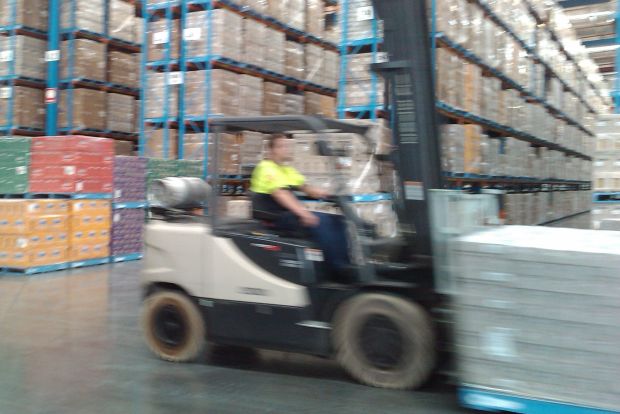
Forklifts and other powered industrial trucks are covered by the AS 2359 series, which sets design, construction, and stability requirements for the truck itself. Inspection in practice means a documented pre-operational check before each shift, covering brakes, steering, forks, mast, and safety devices such as the overhead guard and seatbelt, plus a periodic maintenance inspection carried out by a competent person.
Mobile Cranes
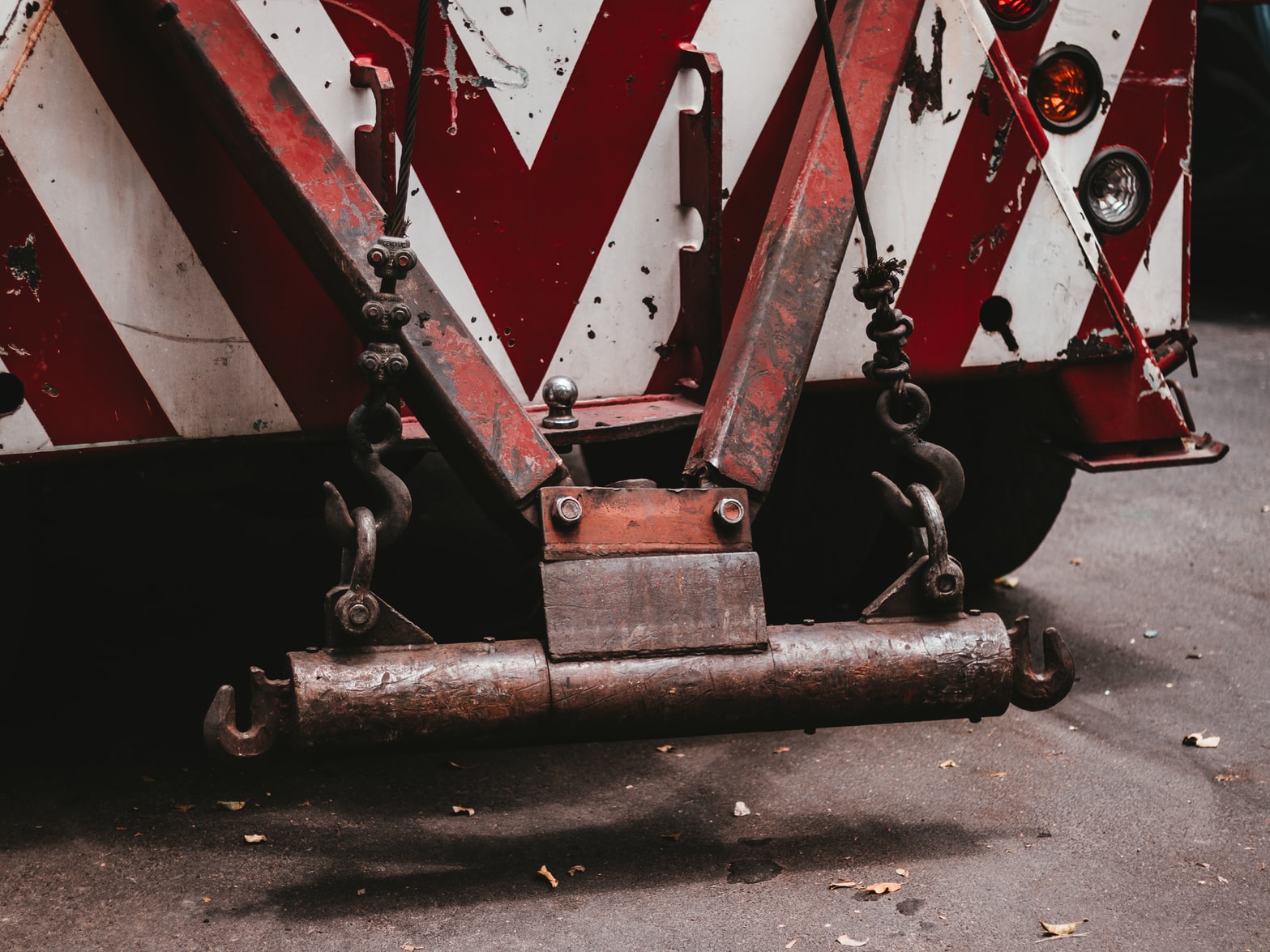
Mobile crane design sits under AS 1418.5, with AS 2550.1 setting general safe-use requirements and AS 2550.5 covering mobile cranes specifically, inspection, maintenance, and safe operation. In practice this means separating a pre-operational check from a periodic inspection and, for many crane classes, a more thorough inspection carried out at set intervals by an independent competent person as a condition of continued use.
Elevated Work Platforms
Elevated work platforms, boom lifts, scissor lifts, and the truck-mounted EWPs utilities use for line work, are designed to AS 1418.10 and used and inspected under AS 2550.10. Because EWPs put an operator to work at height, pre-operational checks focus on platform controls, guardrails, outriggers, and the emergency lowering system, in addition to the machine's general mechanical condition.
Earthmoving and Excavation Plant
Utilities rely heavily on excavators, trenchers, and other earthmoving plant for pipeline, cable, and substation civil work. Where this plant is fitted with an operator cabin, roll-over and falling-object protective structures are assessed against the AS 2294 series. Before any excavation starts, utilities also arrange a service location check through Before You Dig Australia, since striking underground electricity, gas, water, or telecommunications infrastructure is one of the most common and most serious incidents on a utilities work site.
High Risk Work Licences and Plant Registration
Operating certain mobile plant also requires the operator, not just the machine, to be certified. Forklift operation requires a High Risk Work Licence in the LF class, and boom-type elevated work platforms with a boom length of 11 metres or more require a WP class licence, both issued by the state or territory regulator after an accredited assessment. Certain classes of mobile crane carry their own licence classes again, all issued under the same High Risk Work Licence scheme coordinated nationally by Safe Work Australia.
Some items of mobile plant also need to be registered with the regulator as an individual item, separate from the operator's licence, typically triggered by lifting capacity or boom length thresholds. A register of licensed operators and registered plant is only useful if it is actually checked at the point of use, which is exactly where a paper-based pre-start process tends to fail.
Which licence classes, registration thresholds, and inspection intervals apply, and how strictly, varies by state and territory regulator. SafeWork NSW, WorkSafe Victoria, and WHSQ in Queensland, among others, each administer the same national model WHS Regulations and Australian Standards with their own local requirements on top. Inspection software needs to support checklists and licence rules configured to the exact combination that applies in your state.
Manufacturing vs Utilities: Same Machinery, Different Risk Profile
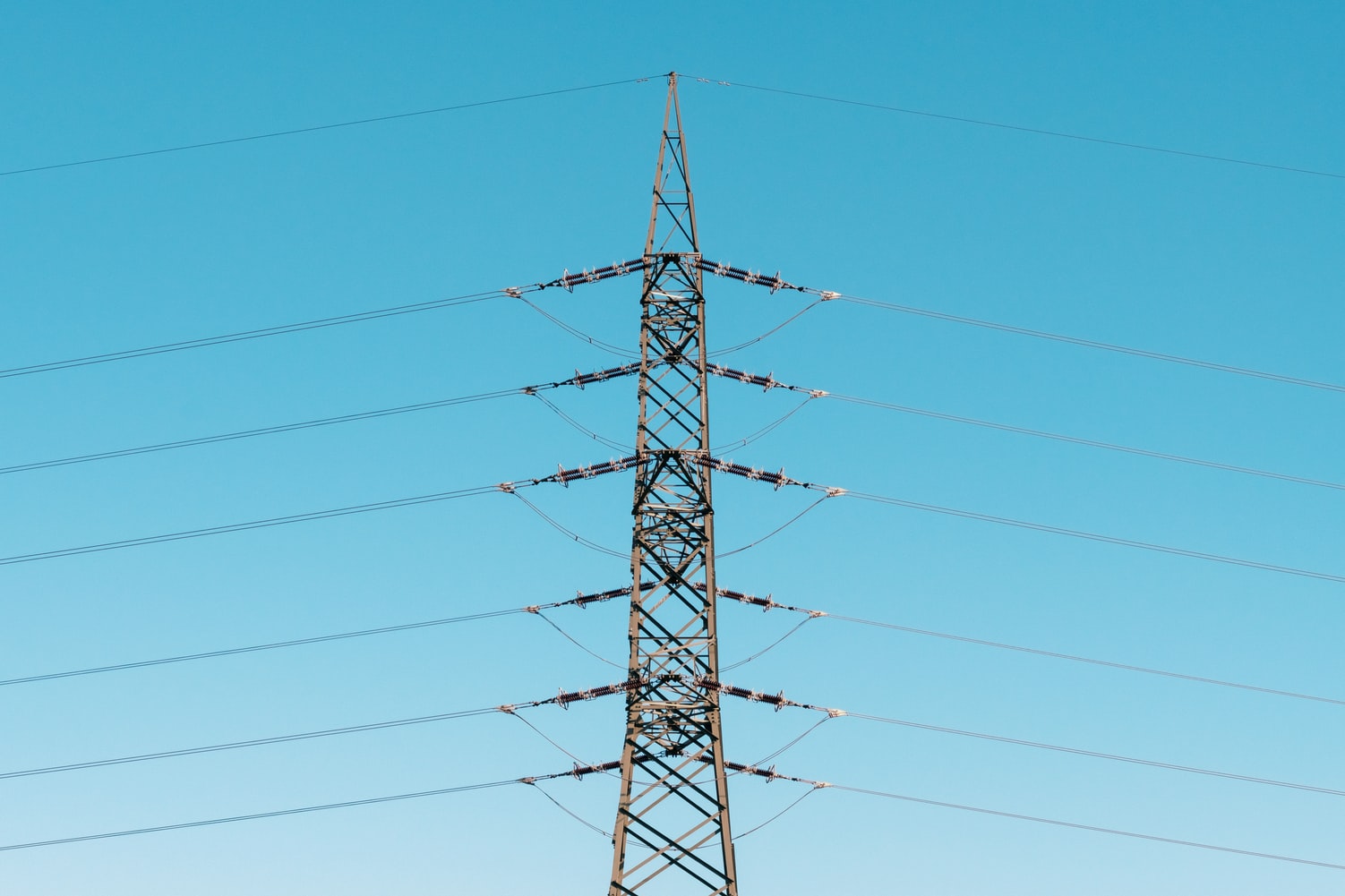
A forklift on a warehouse floor and a truck-mounted EWP on a rural feeder line are inspected against the same style of Standard, but the risk context is different. Manufacturing runs mobile plant at high utilisation in a fixed, indoor environment shared with pedestrians and racking, so pedestrian exclusion zones, racking clearance, and load capacity are the recurring failure points. Utilities operate the same categories of machinery, plus excavators and mobile cranes, across dispersed and often remote sites, frequently working near live electrical infrastructure or underground services, where an exclusion zone breach or a missed service location check carries a very different consequence.
Because both industries run the same equipment categories against the same national Standards, a single mobile inspection platform can manage both, provided it can hold a different checklist, risk profile, and escalation path for a forklift in a distribution centre and an EWP on a live network.
Where Paper-Based Mobile Plant Inspections Fall Short
- Fragmented licence and registration records: Operator licence expiry and plant registration status are rarely checked at the point someone starts the machine, particularly across shifts and depots.
- Delayed action on defects: A forklift or EWP defect noted on a paper pre-start sheet often stays in service for the rest of the shift while the form works its way to a supervisor.
- Weak evidence for a regulator or insurer: After an incident, a regulator will ask for the pre-start history, maintenance records, and operator licence evidence together; a filing cabinet of signed sheets is hard to produce quickly and completely.
- Inconsistent checklists: Without a shared, Standard-based template, different sites or shifts record different levels of detail for the same class of machine.
What to Look for in Mobile Machinery Inspection Software
Separate checklists for every plant type and Standard
Forklifts, mobile cranes, EWPs, and excavators each need a pre-start checklist built around their own Standard and failure modes, not a generic plant form stretched to fit every machine.
Licence and competency checks built into the pre-start
Before an operator can start a pre-start check, the software should confirm their High Risk Work Licence class and expiry, so an unlicensed or lapsed operator is stopped before they get behind the controls, not after.
Offline capture for remote and low-signal sites
Rural feeder lines and metal-clad warehouses both create dead zones. Inspection software needs to store checklists, photos, and GPS data on the device and sync automatically once a connection is available.
Photo, GPS, and timestamp evidence
Every pre-start and periodic inspection should automatically capture a photo, GPS location, and timestamp, building the audit trail a regulator or insurer will ask for after an incident.
Corrective actions and work orders in one workflow
A failed pre-start item should generate a corrective action automatically and feed straight into work order management, so the machine is taken out of service and a fitter is notified without anyone re-keying a paper form.
A registrable plant record that feeds the asset register
Inspection results, licence checks, and registration status should feed the same asset management system used for the rest of the fleet, so a safety manager can see the condition and compliance status of every item of mobile plant in one place.

After an incident involving mobile plant, a regulator will typically ask for the pre-start history, maintenance records, and operator licence evidence together. A documented, timestamped inspection history is far stronger evidence than a policy document describing what should have happened.
One System of Record Across Manufacturing and Utilities Mobile Plant
Manufacturing and utilities businesses increasingly manage mobile plant inspection as part of a broader compliance and quality assurance program, rather than a set of paper pads kept in each machine's cab. The same platform that runs a forklift pre-start can also manage EWP and mobile crane inspections, operator licence checks, and corrective actions, giving safety teams in both manufacturing and utilities one consistent, defensible record across the whole mobile plant fleet.
To see how mobile plant checks fit into a site-wide program of pre-operation checks, competent person inspections, and audits, read our guide to equipment inspection and audit programs for manufacturers and utilities.
Frequently Asked Questions
What is mobile plant under Australian WHS law?
Mobile plant is the term the model Work Health and Safety Regulations use for machinery with its own propulsion that is normally used to move around a workplace, such as a forklift, mobile crane, elevated work platform, or excavator. It is treated separately from fixed plant, such as an installed conveyor or guarded production line, which is assessed against machinery guarding standards like AS 4024 instead.
What Australian Standard applies to forklift inspections?
Forklifts and other powered industrial trucks are covered by the AS 2359 series, which sets design, construction, and stability requirements. In practice, inspection means a documented pre-operational check before each shift covering brakes, steering, forks, mast, and safety devices, plus a periodic maintenance inspection by a competent person.
What standards govern mobile crane inspections?
Mobile crane design sits under AS 1418.5, with AS 2550.1 for general safe-use requirements and AS 2550.5 specifically for mobile cranes covering inspection, maintenance, and safe operation.
What standards apply to elevated work platforms (EWPs)?
Elevated work platforms are designed to AS 1418.10 and used and inspected under AS 2550.10. Pre-operational checks focus on platform controls, guardrails, outriggers, and the emergency lowering system, in addition to the machine's general mechanical condition.
Do forklift and EWP operators need a special licence in Australia?
Yes. Forklift operation requires a High Risk Work Licence in the LF class, and boom-type elevated work platforms with a boom length of 11 metres or more require a WP class licence. Certain classes of mobile crane require their own High Risk Work Licence classes again, all issued by the state or territory regulator under the model WHS laws coordinated by Safe Work Australia.
Does mobile machinery need to be registered with the regulator?
Some items of mobile plant must be individually registered with the state or territory regulator, separate from the operator's licence, typically triggered by lifting capacity or boom length thresholds. Which categories require registration, and at what threshold, varies by state.
How is mobile machinery inspection different in utilities compared to manufacturing?
The same Australian Standards apply to the same machine types in both industries, but the risk context differs. Manufacturing runs mobile plant at high utilisation in a fixed indoor environment shared with pedestrians and racking, while utilities operate similar equipment, plus excavators and mobile cranes, across dispersed sites often working near live electrical infrastructure or underground services, where a service location check is also required before excavation.
Can one mobile inspection app manage forklifts, cranes, EWPs and excavators together?
Yes. Purpose-built inspection platforms let a business configure a separate checklist for each plant type, built around its own Standard, while checking operator licence status at the point of use and keeping every result in one asset register and reporting system.
Naaman Shibi is a VP at Pervidi Software, leading the adoption of AI-powered inspection and compliance solutions across industries including mining and construction. With more than 25 years of experience in digital transformation, Naaman has helped organisations replace paper processes with efficient mobile technology. His focus is on delivering practical innovations, from AI image integration to predictive maintenance, that empower frontline teams and improve operational outcomes.
Ready to bring every item of mobile plant onto one inspection platform?
See how Pervidi lets manufacturing and utilities teams configure separate checklists for forklifts, mobile cranes, EWPs, and excavators, with licence checks built into every pre-start.
Book a Demo