Knowledge & insights
Practical guides, industry insights, and best practices for paperless inspection and asset management.
Latest articles

A large mining operation managing 100+ heavy vehicles replaced paper pre-start inspections with Pervidi, turning a multi-day manual process into a real-time automated workflow.

Warehouse storage rack systems are critical structural assets exposed to daily operational stress. Learn how digital inspection tools improve safety, consistency, and audit-readiness across your facility.

Recording a defect is only the beginning. In high-risk industrial environments, the gap between discovery and corrective action is a direct exposure to safety and compliance risk. Here is how to close it.

Shipping containers are among the most frequently inspected assets in global logistics. Digital transformation is changing how marine survey and asset inspection is performed, reported, and integrated into maintenance workflows.

Work at height is among the most hazardous activities in construction and industrial operations. The difference between risk and reliability lies in inspection discipline, clear accountability, and consistent execution.

Cloud-first is the default in software procurement. But for Defence, Government, and Critical Infrastructure, data sovereignty, offline capability, and IT control require a different conversation about deployment.

Paper-based inspection workflows introduce delays, errors, and compliance gaps that digital solutions eliminate. Here is why organisations are making the switch.
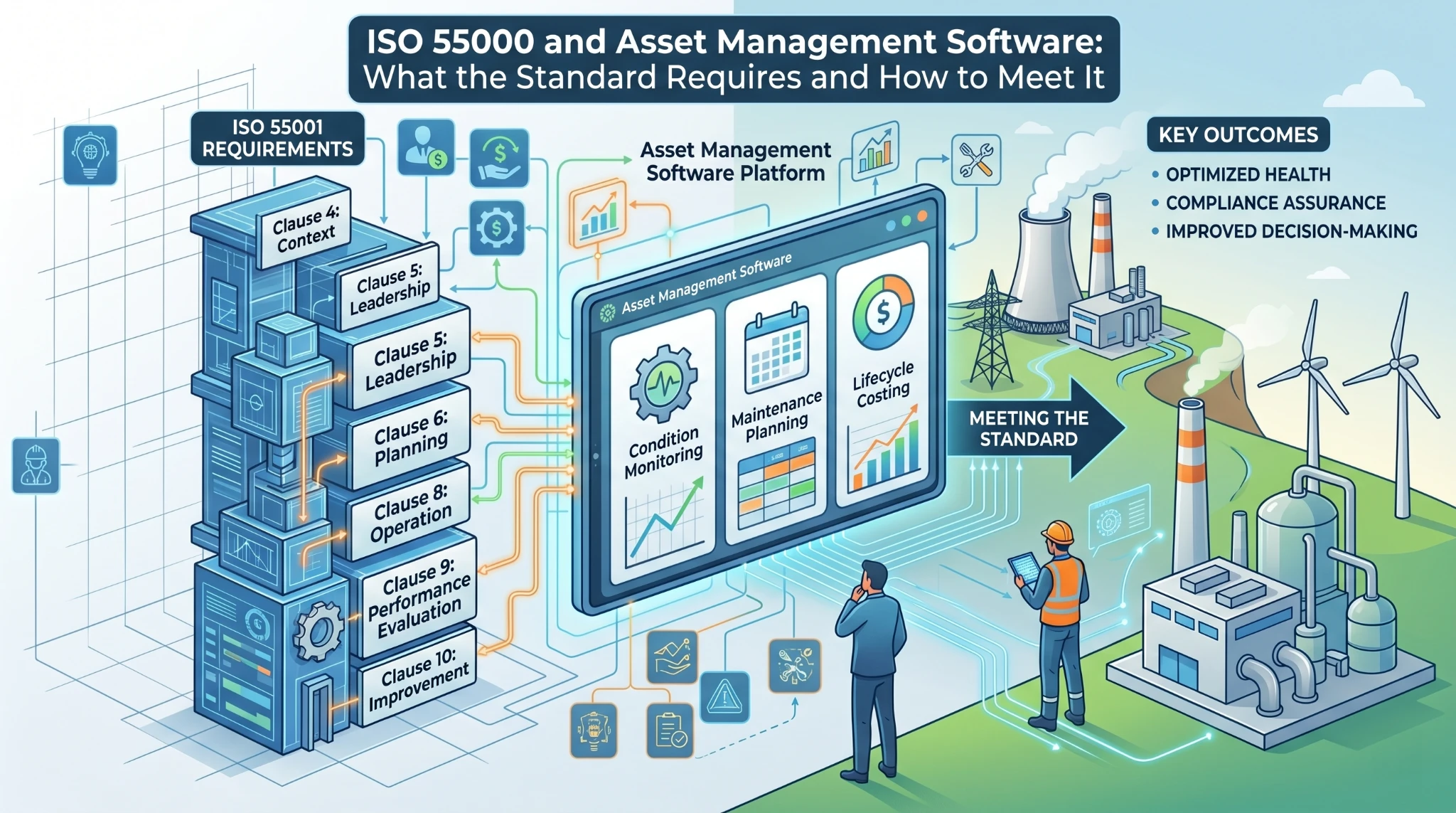
ISO 55000 sets out the requirements for an asset management system. This guide explains what the standard actually demands from your software and processes, and which capabilities separate genuinely compliant tools from those that just claim the label.

Australian mining regulations require pre-start inspections for all mobile plant and equipment. This guide covers the legal obligations under WHS legislation, what a compliant pre-start check must include, and how digital software removes the risk of non-compliance.
